

The Future Of Human Centric Automation: Balancing Efficiency And Ergonomics
The Future Of Human Centric Automation: Balancing Efficiency And Ergonomics
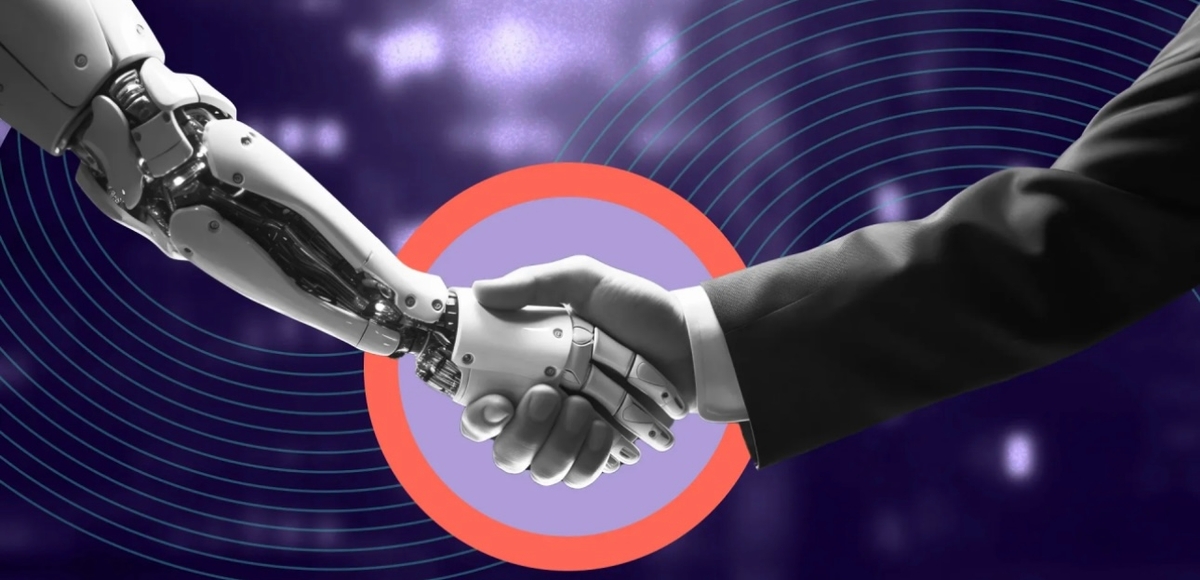
Automation has changed the nature of industries because it made them faster, precise, and more efficient, but this has also created some fears of loss of jobs and welfare of their workers and the widening gap between people and machines. The reaction to this is a strong movement shifting in nature- machine-focused automation to people-focused automation. The new trend is based on the cooperation of man and machines, where the main goal is achieving the efficiency, ergonomics, and workers well-being balance in a sustainable manner. Such transition falls in tandem with the vision of Industry 5.0, where productivity is not the only agenda but so is resilience, sustainability, and inclusiveness. With the ongoing revolution in technology, the future of automation should be centered on people, whereby human beings and intelligent systems can complement and not compete.
The Emergence of the Human-Centric Automation
a) From Industry 4.0 to Industry 5.0
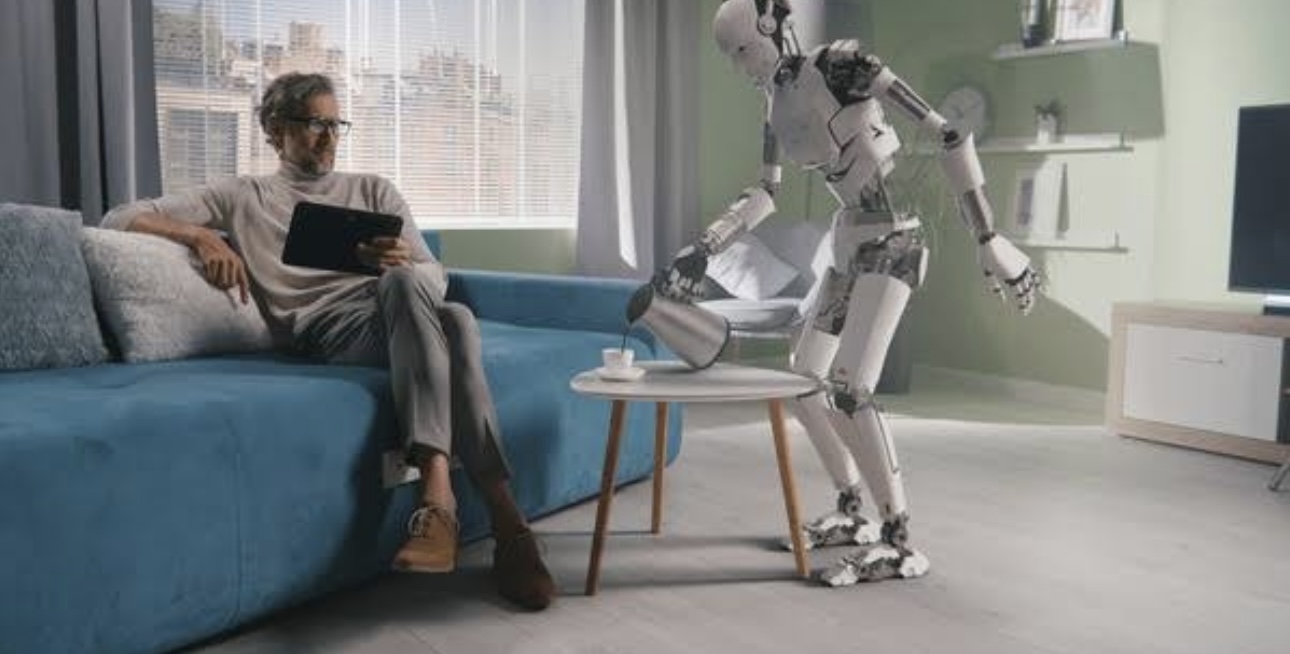
Industry 4.0 placed an increased focus on the full digitalization of a business, including smart factories, IoT, and AI-based decision-making, but Industry 5.0 comes one step further. It is aware of the inimitable worth of human intuition, creativity, and empathy. Instead, the aim is to augment people instead of replacing them.
b) Ergonomic and Empathy Requirement
ResearchGate states that human-centric automation is the act of designing systems that improve human performances, reduce fatigue and increase workplace productivity. This incorporates ergonomic user interfaces, adaptive robotics and workplace customization.
Bridging Efficiency and Ergonomics: The Main Trends
a) Collaborative Robots (Cobots)
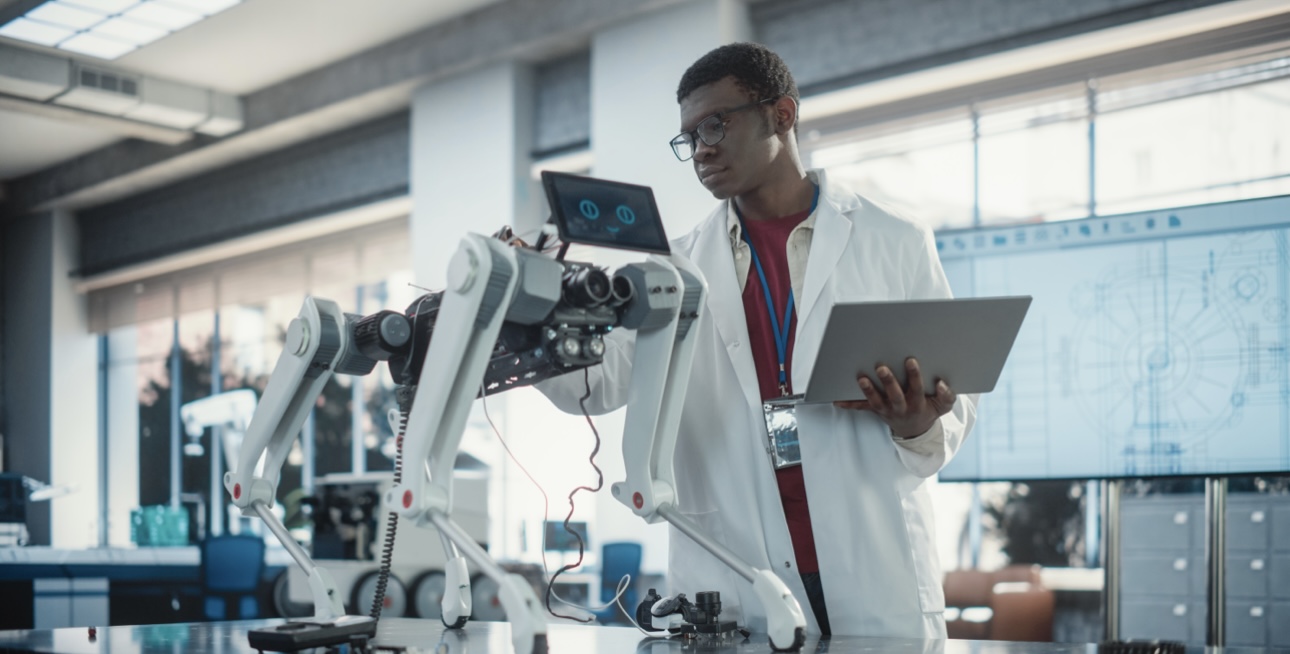
The use of collaborative robots, or cobots, is one of the brightest examples of human-centric automation. Cobots can collaborate with humans on tasks, unlike with the traditional industrialrobots, that work in isolation which poses a challenge to the safety of people. They will be created with new sensors and artificial intelligence that allows the device to adapt to human interaction diminishing strain and injury.
b) Adaptive Automation Systems
The contemporary automation is no longer stationary. Since adaptive systems have the ability to monitor, in real-time, the stress level of a worker or his posture, cognitive load, etc., and adapt workflows to those metrics, one can immediately learn how to improve their work performance. This will enable machines to prevent mistakes and exhaustion on the part of human workers in their weakest places.
c) Wearables and RT Monitoring
Industrial settings are now facing an inclusion of such technologies as smartwatches, exoskeletons, and posture sensors. Such wearables record information on fatigue, movement, and outside threats and then feed them into the intelligent systems to post proposals on automatic adjustments or breaks to preserve the employee.
d) Training and Simulation by Extended Reality (XR)
Virtual and augmented reality can provide ergonomic simulations and engaging training opportunities using XR technologies. Taylor & Francis stated that such tools enable safe repeatable learning environments, as well as modeling of complex processes to an extent where the stress becomes both mentally and physically reduced.
Benefits of Human Centered Automation
a) Enhanced Safety and Comfort
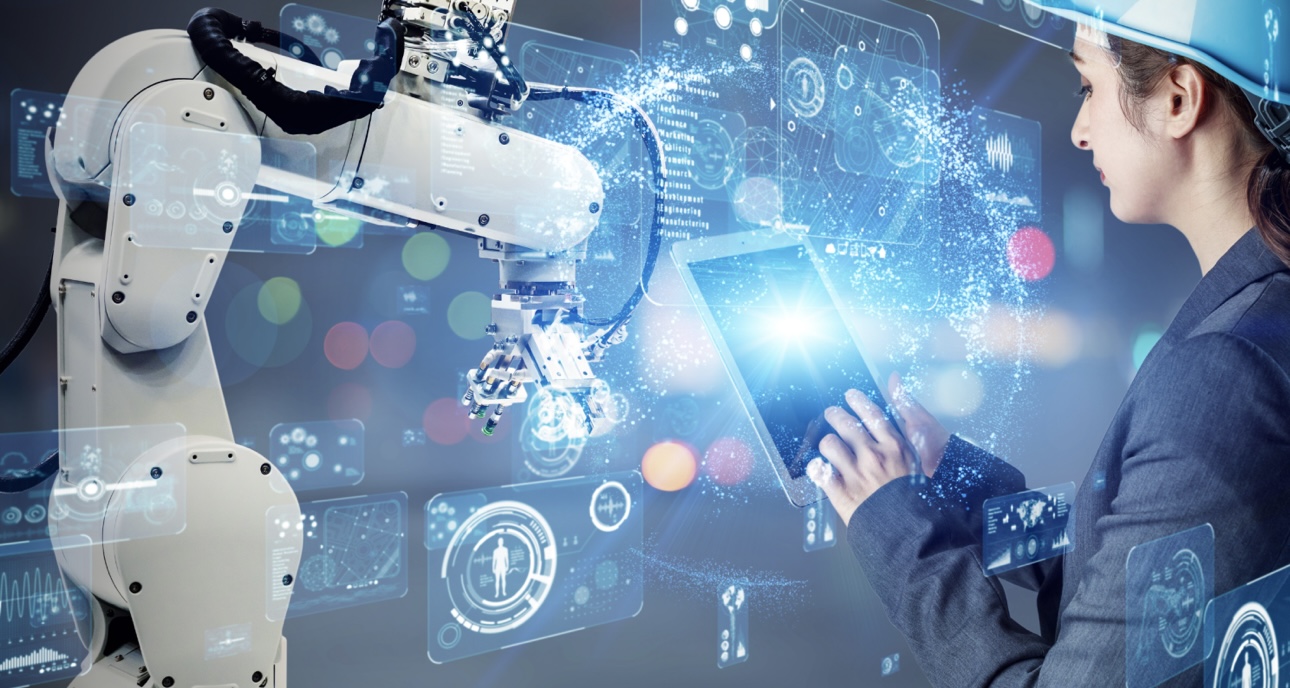
A decreased injury in the workplace is one of the primary benefits of blending ergonomics and automation. The occurrence of musculoskeletal disorders has been noted in industries such as manufacturing and logistics; this is as a result of repetitiveness and awkward postures associated with the duties. Such incidents can be greatly prevented with fatigue-responsive smart systems that would respond to dangerous positioning.
b) Enhanced Productivity
When human beings are put at the center of things, it is thought to slow down processes. Indeed, the more comfortable, enlightened and automation assisted workers can work better. It is not because there is a short time increase in speed, but the long-term productivity benefit.c) Increased Work Satisfaction and Retention Insisting on the human experience can help companies give the work culture a greater focus on being more inclusive and less degrading. Skilled workers are engaged, loyal and more open to upskilling, which are desirable in an environment where there is constant technological change.
Real-World Examples
a) Intelligent Garment Industries
At a Chinese factory that manufactures textile with an element of futurism, automation, artificial intelligence, and human-focused engineering have provided a different, more efficient meaning. Ergonomic tests are also frequently completed through wearable sensors, with workers manipulating intelligent machines through the user-friendly interface. The result? Greater production, lesser stress, and better employee morale.
b) Ergonomics-Conscious Robots
In a research published on arXiv, the authors present a robot which assesses the posture of a human after each 0.5 seconds and alters its motions in a way so as to minimize potential ergonomic risk. This model is a vision of a time when the ergonomic safety of a working environment would be automated but profoundly human-sensitive.
c) Participatory Constructions Ergonomics
Participatory Ergonomics are already becoming common among the construction companies in Europe, and they engage employees in the design of the tools and the processes. The outcomes of this are increased efficiency and a toned-down number of workplace injuries since the designs are tested in the real world by the end users.
Challenges and Barriers
a) Legacy Integration Organizations are not all able to change their current infrastructure with flexible and contemporary systems. Adapting the old equipment to accommodate wearable, AI monitoring, or cobot needs, is expensive to do with planning.
b) Resistance and Change Management WorkforceChange may be frightening. New technologies are likely to be intimidating to serve workers who are likely to find the benefits atypical. Powerful communication, training, and human-based leadership are the keys to getting through this transition.
c) Privacy and Ethics of Data
These are the same technologies that closely monitor the fatigue and considerations of postures and also need to gather sensitive biometric information. Companies cannot use data secretly and amicably to build trust since they have to be open, and their privacy practices need to achieve high standards.
d) Skills Gaps
Automation is more than just hard labor, human centered automation needs digital literacy, data fluency and human-computer interaction skills. Up-training of the workers is an inevitable and urgent task.
The Future Outlook: What’s Next?
a) Full Reduction Working Environment
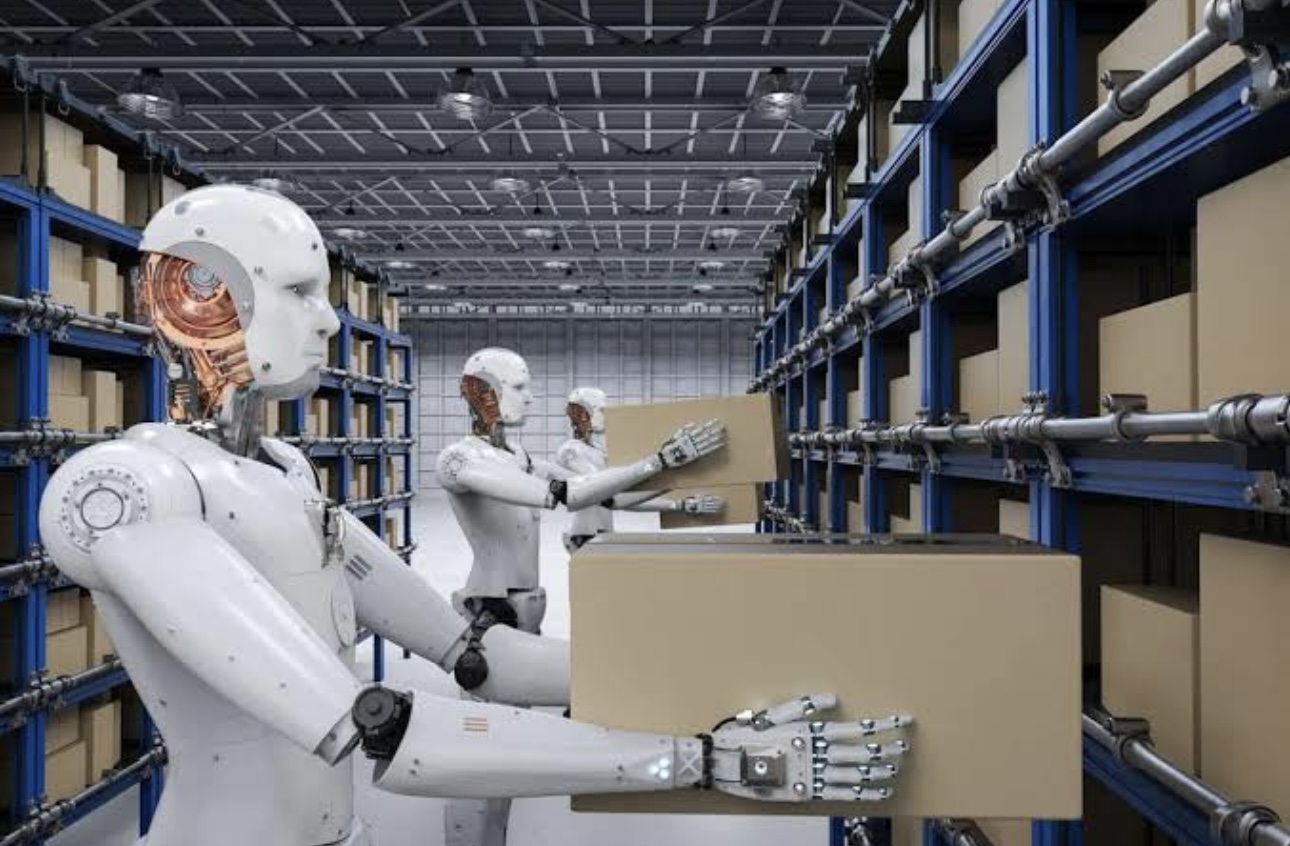
Workplaces will in future be dynamic as the workers are. The AI will produce unique workflows depending upon strengths of employees, preferences, physical condition, and optimize productivity and wellness.
b) Symbiosis of of Neuroergonomics and AI
Neuroergonomics brings the science of the brain to bear on the design process, so that systems can recognize not only physical (muscular) fatigue but also cognitive fatigue (also known as cognitive overload). It will also identify distraction and stress in workers and auto-correct, or auto-intervene.
c) Change in Performance Metrics
Corporates will shift their focus to more comprehensive KPIs, such as well-being scores, mental fatigue ratings, ergonomic risk ratings instead of the conventional output per hour.
d) Eco and Social Aware Robotization
Executable automation with sustainable systems that are friendly to the environment and humans will become a norm. This is everything, including biodegradable fabrics as part of thewearable technology and algorithms developed to reduce the exposure of the employee to toxins or thermal sources.
CONCLUSION
Technology should be used by people and not the other way around, this is one thing that is obvious as we move on to the next chapter of automation. Automation of humans is not a trend: it is the need of the world where performance is no longer the sole pillar treasured by a society, but dignity, safety and purpose are also important. Future workplaces need not only be smarter, but also kinder and by combining cutting edge technology with empathy and ergonomic design, future workplaces will be that much smarter. In such a balanced world, one cannot talk about efficiency without humanity.

Leave a Reply