


How Engineering Innovations Can Cut Operational Costs by 30%

With operations cost management as vital as top-line growth in this fiercely competitive age, organizations are tested from production centers to supply chains to health units to technology-enabled businesses to deliver efficiency with rising costs within their reach.
Energy prices are volatile, supply chains are becoming complex, and end-consumers insist on faster, more responsive, and eco-friendlier operations. The old-fashioned cost-cutting through headcount reduction, outsourcing, or reduced budgets just won't do. Increasingly, the business world is considering engineer-driven innovations as a more astute and lasting means of delivering compelling cost savings.
Engineer-led cost management solutions are all about reframing systems, processes, and technology for providing sustainable value. They are different from short-term solutions because they bring efficiency right at the heart of the operations of doing business.
Organizations can harness innovation through automation, artificial intelligence (AI), integration with renewable energy sources, or new manufacturing to eradicate waste, energize productivity, or reduce downtime. The outcome is more than incremental cost cutting but revolutionary gains to achieve up to 30% cost reduction–an ideal and a reality with properly applied technology tools.
Think about what automation and robotics are doing to manufacturing. What once needed scores of man-hours and weeks of production to accomplish can be done more quickly with reduced errors and waste materials. Or think about applying Internet of Things (IoT) platforms to monitor equipment performance on a real-time basis by avoiding expensive breakdowns before they happen.
These are not futuristic dreams; they are established solutions already transforming industry on a global basis. The most important lesson for business leaders is this: doing more with less is not about efficiency; doing more with better technology is.
The solution to this change is engineering innovation. When businesses integrate intelligence, automation, and sustainability into every aspect of operations, they are doing more than reducing cost; they are better at being competitive, resilient, and successful in the long term.
This article discusses how companies in various industry segments are leveraging engineering innovation to reduce the cost of operating activities by as much as 30% and introduces technology, strategies, challenges, and opportunities that characterize this new wave of cost reduction.
The Cost Challenge in Today's Businesses

A) Operating costs are one of the biggest challenges for businesses of all sizes.
Though revenue growth dominates the headlines, in truth, uncontrolled spending quietly drains profitability and limits reinvestment. Starting with utility costs through labor, maintenance, logistics, and compliance, the lists of routine expenses continue to grow—and so do demands to bring them under control as competition intensifies in markets.
B) Energy consumption is the greatest challenge.
To producers, energy accounts for nearly 30% of what it takes to operate their businesses, and wild swings in international fuel prices render budgeting for costs a joke. Factories that use obsolete equipment or low-efficiency air conditioning and lighting often have utility bills that are way more than they have to pay. With shipping and transportation, rising fuel prices, and carbon conformity fees on the squeeze, companies are forced to revise their operations.
C) Another challenge is labor and productivity.
While labor will never go away, repetitive and manual labor can halt efficiencies. Bottlenecks, rework, and downtime are fueled by human errors, fatigue, and skill deficiencies. Organizations that do not cut out these inefficiencies pay more to fix mistakes than to prevent them. In addition, the global shortage of skilled employees in sectors like manufacturing and engineering has pushed organizations toward looking for smarter ways of accessing limited talent.
D) Downtime and upkeep are expensive areas as well.
Line shutdowns due to equipment failure can shut production lines down and cost firms hours of lost production worth millions of dollars. Calendar or reactive upkeep or maintenance, commonly conducted as a way of sustaining gear operations, usually fails to find the root causes of failures. Failure to be able to anticipate and plan ahead of disruptions leads to costly repairs, wasted materials, and late shipping.
E) Finally, supply network complexities are confronting companies.
As much as globalization opens opportunities, supply networks are as susceptible and subject to delay, disruptions by geopolitics, and differential transport costs. Organizations that have old planning systems have poor visibility and coordination and, therefore, experience inefficiencies and high operating costs.
Together, these problems paint the picture of an environment in business where cost management is no longer optional—it's mission-critical. But cost-cutting should not be at the expense of quality, safety, or growth potential. The solution is not quick fixes but in engaging engineering innovations that simplify processes, eliminate waste, and build resilience.
This transition is not merely keeping costs down; it is about developing a business model that excels in efficiency, sustainability, and ongoing improvement.
Engineering Innovation to Minimize Costs
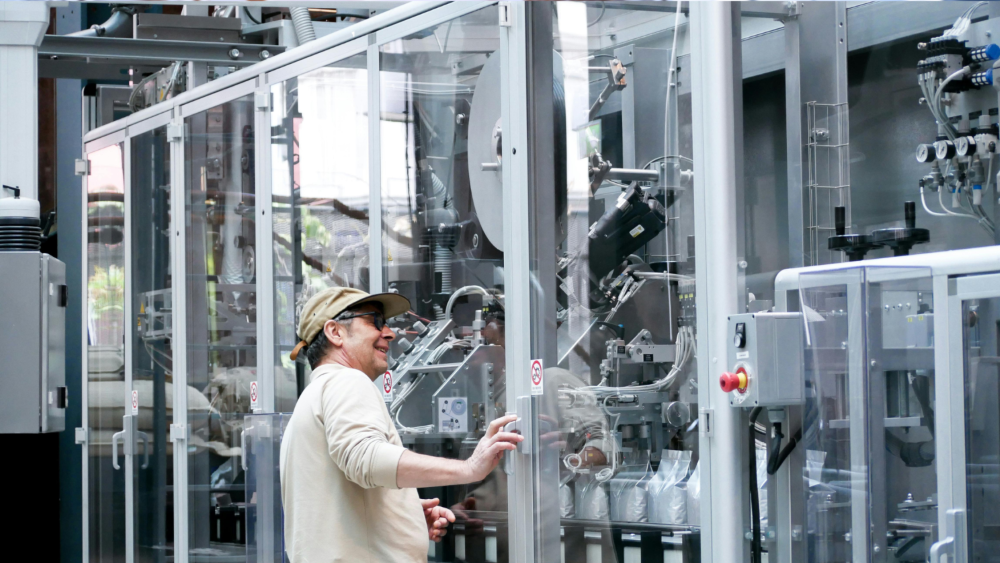
It is not simply constructing things; it is constructing better, faster, cheaper systems. More recent innovations have shown that up to 30% of operational expenses can be saved by adopting a technology-focused strategy.
A) Automation and Robotics
Robotics ushered warehouses and plants into a new era by automating boring tasks. Computer systems are operated 24/7 with fewer errors, reduced downtimes, and increased safety. The logistics case is not an uncommon one; automated sorting uses high-speed acceleration to deliver faster and lower labor costs. The outcome is a substantial reduction in labor costs and increased productivity with a safer work environment.
B) Artificial Intelligence (AI)
AI empowers companies to respond proactively instead of reactively. Predictive maintenance by sensors of AI identifies prospective apparatus failures before they happen to prevent costly shutdowns. Retailers use AI to optimize demand forecasting to reduce waste and overstocks. By helping firms to predict issues and optimize resources, AI generates bottom-line cost reductions.
C) Internet of Things (IoT)
IoT sensors turn regular systems into smart data systems. Building-based ones adjust cooling or heating automatically to fit the temperature to occupancy to reduce energy costs. Logistics ones monitor fuel usage and performance of vehicles to determine the best routes. Managers can directly see and get rid of waste with real-time information.
D) Renewable Energy and Efficiency
One of the biggest organisational expenses is usually energy. Using solar panels, windmills, or bioenergy reduces dependence on costly fossil fuels, but energy-saving measures like the use of LED lighting or energy recovery plants lower average consumption even further. They save money and place organisations inside environmental boundaries.
E) Advanced Design and Materials
Occasionally, savings are a result of the materials themselves. Low-energy materials decrease energy usage at production as well as at transportation. Self-healing concrete expands infrastructure lifespan as well as saves on repair costs. While 3D printing decreases waste of raw materials, it also allows for quick production, helping businesses to do more with less.
Case Studies & Real-World Impact
It is one thing to detail engineering breakthroughs on paper; quite another to watch businesses already saving millions by doing so. Across the spectrum of industry, pioneering businesses are showing how intelligent engineering can save massive amounts of cash as well as lead to increased efficiency.
A) Manufacturing: General Motors (GM)
General Motors invested significantly in automation and robotics, with automation powering its production lines via artificial intelligence (AI). AGVs are deployed to handle car and truck parts with precision, with minimal human intervention and production downtime. Artificial intelligence-based predictive maintenance reduced downtime by substantial margins and saved GM by about $2 billion annually. GM paired automation with data-based analysis to not only reduce operation costs but also improve product quality and employees' safety.
B) Logistics: DHL
International logistics giant DHL used robotics and IoT to mechanize warehousing processes. Robots are used in picking and sorting, and IoT sensors track fleet routes for optimal delivery. Delivery time and labor cost were lowered by almost 25% using such technology. DHL's warehouses are more optimized with fewer errors and reduced fuel consumption.

Get the Training You Need for a Safer Workplace!
Autonomous mobile robots are one of the fastest-growing segments of the robotics industry. During this live virtual training, you'll be introduced to safety protocols and best practices for working with mobile robots in industrial settings.
Learn more and register now for upcoming training dates.
Related Posts

Physical AI & The Leadership Gap
PHYSICAL AI & THE LEADERSHIP GAP THE COMPANIES WINNING IN PHYSICAL AI HAVE ONE THING…
NSF puts $30M behind the next challenge for physical AI: Humans
The University of Texas at Austin will lead a new $30 million National Science Foundation…
Pentastar Puts Autonomous Wingwalking Robots Into Daily Operations
Pentastar Aviation has begun deploying autonomous robots alongside aircraft during towing operations at its facility…
Leave a Reply