


Water Supply Engineering: Innovative Solutions to Local Water Challenges
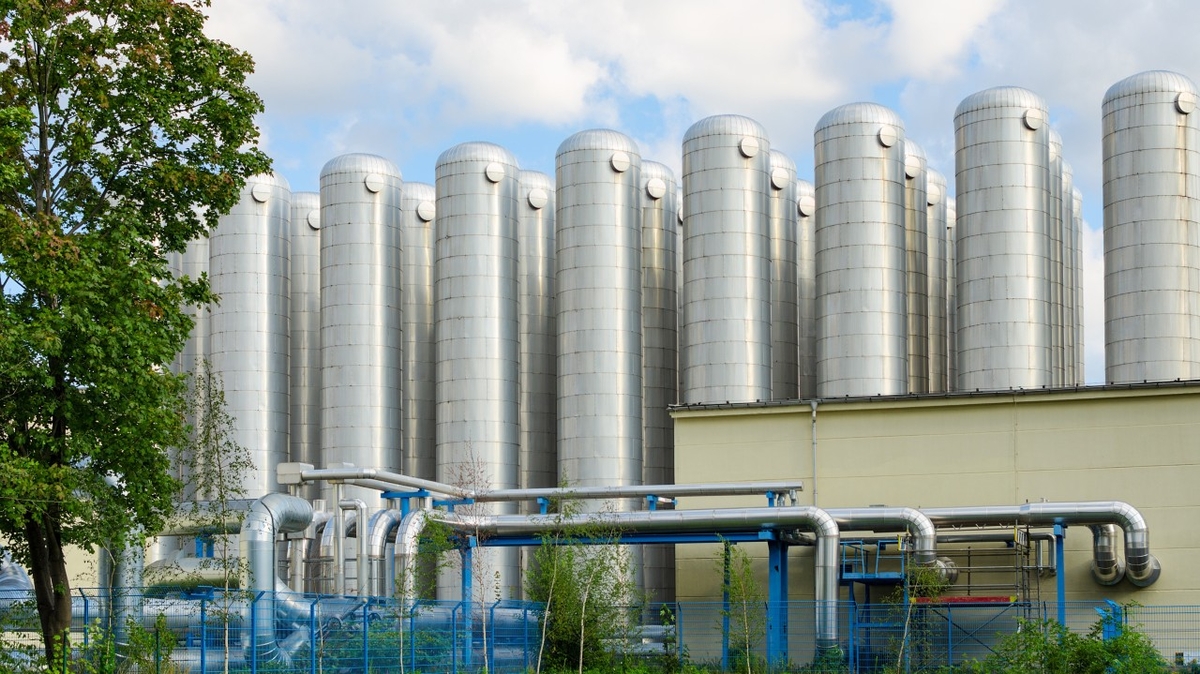
The foundation of healthy communities, thriving agriculture and strong cities is clean and reliable water. However, there are numerous locations, such as peri-urban slums, rural localities, and rapidly expanding towns that are plagued with interruptions, deteriorating pipes, lack of groundwater, pollution, and climate changes.
This article presents real-life, engineering-centric solutions which have already had tangible results: decentralized systems, pumps powered by renewable energy, the ability of rainwater to be collected, recharging aquifers, smart designs, low-cost treatment, and the social and financial systems that enable these solutions to reach large scales.
It has been aimed to educate engineers, planners, community leaders, and curious readers of realistically up to date approaches that can be tailored to local realities.
The local issues that we need to address (short primer).
Local water problems are different, yet there are popular problems such as:
– Periodic piped water and high non-revenue water (leaks, theft).
– Excessive abstraction of groundwater and disappearing of water tables.
– Source or distribution contamination (microbial or chemical).
– Power shortage in rural or peri urban regions.
– Climate change to floods or drought.
Solutions should be technical and social, consequently, they should be technical and economically feasible and owned by locals.
1. Decentralized structures: appropriate scale to requirement
Instead of centrally-located and large-scale plant systems, decentralized water and wastewater systems provide water at the local level at the neighborhood, campus, or village scale, reducing the cost of transmission and enhancing recovery.
They are able to recycle and reuse water locally (e.g. greywater recycling to irrigate farmland), take load off central plants, and are less difficult to stage and finance. The latest reviews outline the importance of decentralized methods as the foundation towards robust city water planning and resource efficiency.
Practical takeaways
– Use modular treatment trains (screen → biofilter → disinfection) sized to the community.
– Reuse and treat: treat grey water to irrigate the lawn, flush toilets, or industry of small scale.
– Develop user interfaces and local repair schemes that are easy to understand so the communities can run operations.
2. Pumping with solar and renewable energy: no grid of reliance
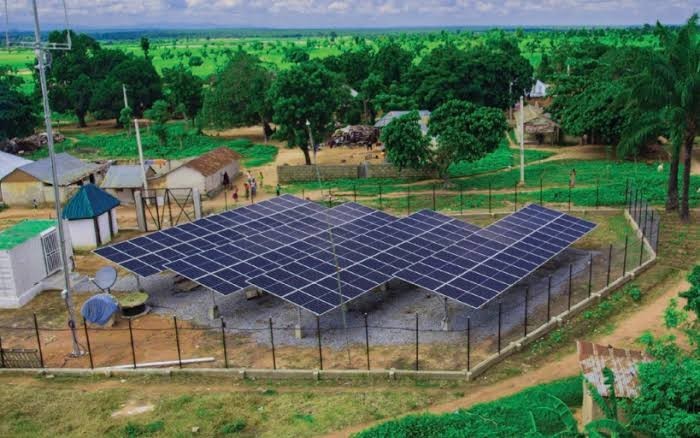
In some places where power is not reliable and where it is too costly, there are the transformative solar-powered pump systems.
Newer submersible pumps and surface pumps are cheaper and sturdier and can be used to power wells, boreholes and small networks and reduce fuel and operating expenses.
They also reduce carbon footprints and go together with storage tanks and microgrids to even out supply during the night and low-sun seasons. There is documentation of the viability and growing application of solar pumping of drinking water and irrigation in field and technical studies.
Design Tips
– Have solar arrays sized to seasonal requirements and provide buffer storage (tanks, raised reservoirs).
– To be more reliable, hybrid systems (solar + grid or battery) should be considered when it is possible to afford them.
– Factor in O&M (cleaning panels, repairing controllers) early in budgeting and training.
3. Strategic storing of rain: distributed flood control
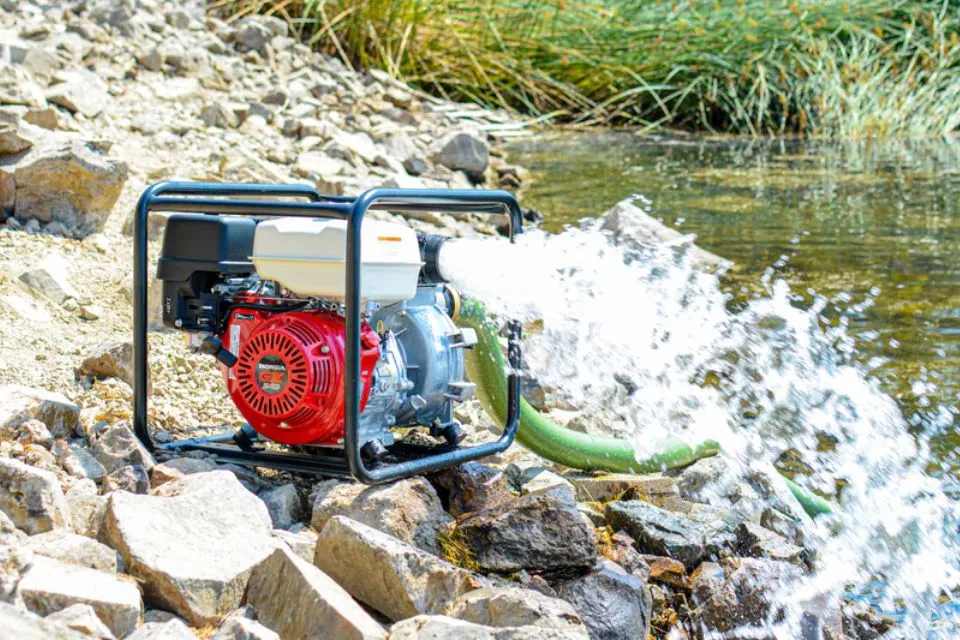
Rainwater harvesting (RWH) – on rooftops, paved surfaces, redesigned streetscapes has the effect of diminishing the risks of flooding and offering a local supply of non- potable water or with treatment, potable water.
Innovations involve real-time control systems which direct water between storage, infiltration and overflow to capture as much as possible and limit pollution.
Cities which incorporate RWH within urban design have the opportunity to enhance water resiliency, as well as lessen the stormwater burdens.
Where It Works Best
– Homes, schools, government buildings that have sufficient roof-space.
– Urban neighborhoods with the possibility of combined gutter and street capture.
– Combined with basic filtration and disinfection to use in the house.
4. Managed Aquifer Recharge (MAR): depositing water underground.
Managed Aquifer Recharge (MAR, also known as aquifer storage and recovery ASR) actively forces overland water or treated wastewater into deep aquifers as a temporary storage during dry seasons.

Get the Training You Need for a Safer Workplace!
Autonomous mobile robots are one of the fastest-growing segments of the robotics industry. During this live virtual training, you'll be introduced to safety protocols and best practices for working with mobile robots in industrial settings.
Learn more and register now for upcoming training dates.
Related Posts

Physical AI & The Leadership Gap
PHYSICAL AI & THE LEADERSHIP GAP THE COMPANIES WINNING IN PHYSICAL AI HAVE ONE THING…
NSF puts $30M behind the next challenge for physical AI: Humans
The University of Texas at Austin will lead a new $30 million National Science Foundation…

Pentastar Puts Autonomous Wingwalking Robots Into Daily Operations
Pentastar Aviation has begun deploying autonomous robots alongside aircraft during towing operations at its facility…
Leave a Reply