


Building the Future: How Sustainable Engineering is Powering Smart Cities

The cities become the pumping blood of modern life. They are the innovators, the dwellers of our communities and the growth of our economies. However, with this centrality comes responsibility, urban places demand a large amount of resources, produce huge emissions, and are at the center of climate and infrastructure problems.
The problem is: How do we create cities that both develop and also survive? What do we do to develop urban living environments that are habitable, sustainable, productive and resilient to the future?
A solution is in the convergence of sustainable engineering and smart-city technologies. Through low impact design, innovative systems, and data-driven operations, we will be able to make urban city landscapes sustainable, efficient, connected environments that benefit people, planet, and prosperity.
This article discusses the development of this, the engineering leverages, practical examples, and what cities have to adopt to be successful.
What is Sustainable Engineering in the Urban Context?
Sustainable Engineering refers to the process of designing, constructing, and managing urban systems to focus on a long-term perspective on resource efficiency, resilience, and environmental impact.
It goes beyond putting up solar panels or the construction of bike lanes, it is a holistic way of thinking that cuts across materials, energy systems, transport, water, waste, public spaces and infrastructure lifecycles.
Essentially, sustainable urban engineering aims at:
- Reduce the use of resources (energy, water, materials).
- Reduce operating and embodied carbon (emissions).
- Cultivate flexibility and adaptability (to climatic shocks, population reshaping, technology upheaval).
- Promote equity, inclusion, and livability (so share benefits between communities)
To implement such a mentality in cities implies transcending silos: engineers will work with planners, technologists with social policy, and utilities with the local community.
The recent studies indicate that even though the concepts of smart and sustainable cities are clearly defined, the institutional, economic, and governance approaches tend to be out of pace.
The Smart Grids, Renewables and Electrification Rich Energy Backbone
I. Local Generation and Smart Grids.

Smart power systems are used in modern sustainable cities. A smart grid is a grid that balances between supply and demand, integrates renewables, and improves efficiency with the help of sensors, real-time data and automation.
An illustration is rooftop solar with local storage and micro-grids, which ensure that neighborhoods remain connected even in case of the failure of the main grid.
II. Electrification Buildings and Transport.
The buildings use a massive portion of city energy (to warm, cool, light it up). Cities lower their footprints by relying on high insulation, effective HVAC systems, electrified heating (e.g. heat pumps), and clean electricity.
Elsewhere, electric vehicles (EVs) and electric buses are directly connected to the grid, which can be used either as a storage asset or merely as a consumer.
WHY IT MATTERS
It is impossible to achieve success in other areas (transport, buildings, water) without clean and flexible energy systems. In a study of the topic of environmentally-sustainable smart cities, the merging of digital technology, renewable energy and infrastructure is essential.
Built Environment: Materials & Lifecycle, Efficiency
I. Efficiency by Design
Energy we never consume is the simplest energy that we may never be required to produce. By making buildings passive, i.e. not facing the sun, shaded, insulated, and effective lighting and intelligent controls, it is possible to achieve significant savings.
II. Materials and Embodied Carbon
Sustainable Engineering is no longer advocating against operating-carbon reduction but embodied carbon reduction, the emissions of manufacturing, transport and building materials.
Low-carbon concrete, modular construction, timber construction, and design to be disassembled are some of these innovations so that the buildings can be used again, but not demolished.
III. Retrofitting and Upgrading
There are many cities that have to operate with the existing building stocks. Retrofits (insulation, efficient systems, smart controls) may be cost-effective and provide instant effect.
Smart-city systems that are sustainable state that technical innovation should be accompanied by robust policy, financial support, and labor preparation.
Infrastructure and Nature: Water, Storm Resilience & “Sponge” Cities
I. The Urban Water Systems Under Pressure
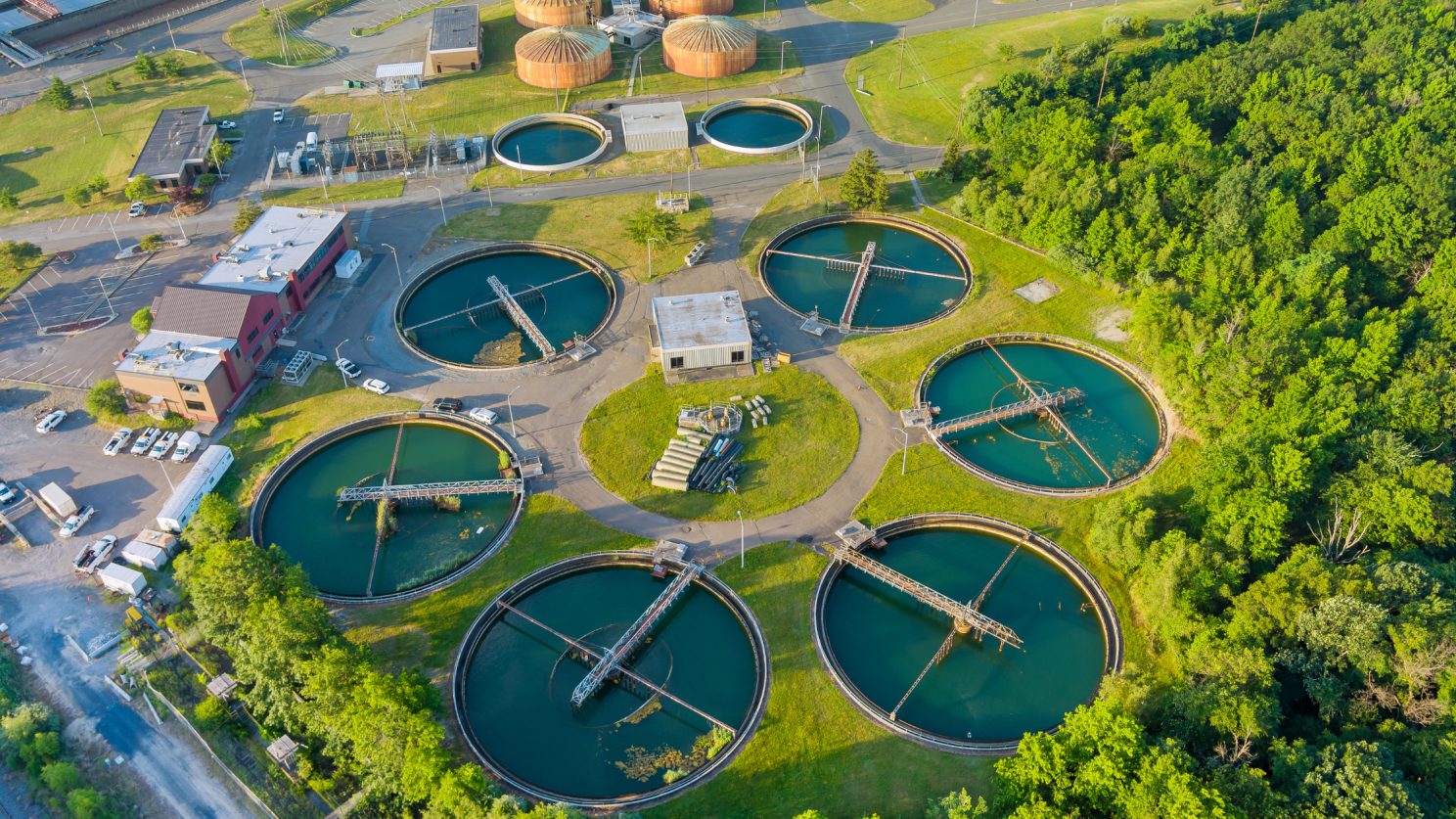
The threats that cities have to deal with are climate-embarked: excessive rain, flooding, heat waves, and droughts. Sustainable Engineering will react to this by developing water systems that are not simply the pipes and pumps but rather designed landscapes, storage and green infrastructure.
II. Sponge‑City Approach
It is commonly referred to as sponge cities, in this technique permeable surfaces, retention basin, wetland, green roofs and urban trees are used to absorb, store, and manage stormwater. The advantages are not limited to flood control: they replenish the groundwater, mitigate heat islands, increase biodiversity, and make the neighborhoods better places to live in.
III. The combination of Nature and Technology
Contemporary intelligent building is no longer a distinction between engineering and nature. Sensors are used to measure soil moisture and storm-water runoffs; the information is used to know when retention basins are full; green corridors are used to reduce mobility and mitigate heat-islands. This convergence is vital.
Digital Tools and Data-based Planning
I. Digital Twins, IoT & AI
The cities are developing models of digital twins of a district, infrastructure or even the whole city infrastructure.
These models collect sensor data, simulate, identify inefficiencies, forecast failures and optimize assets prior to capital expenditure.
They become an active infrastructure management layer when combined with IoT sensors and AI analytics. Studies indicate that traffic movement, energy conservation, collection and delivery of services all go up as a result of this convergence.
II. Data Governance + Human-Centred Design
There lie profound responsibilities of using data and digital tools, namely, privacy, equity, and transparency. Smart-city Engineering should be sustainable making the citizens central, inquiring who gains, who takes a risk and how decisions are made.
Research indicates that numerous smart-city projects are technologically good but they have poor community involvement and control.
Urban Transport Systems Mobility
I. Re-thinking Urban Mobility
Transport is also one of the greatest emitters in the city. Sustainable Engineering aims at electrifying public transport (e-buses and e-trams), promoting walking and cycling, shared mobility, and using data-driven traffic control to decrease congestion, emissions, and travel time.
II. Transport Meets Built Environment
Transit-oriented development locates homes, workplaces and facilities close to high capacity transit, reducing long commutes. The streets are converted to car corridors into common spaces with green infrastructure, bike docks and pedestrian friendly transit lanes.
WHY IT MAKES A DIFFERENCE
Intelligent mobility minimizes energy consumption, purifies the air and enhances access. Mobility engineering can work in tandem with the idea of sustainability to the benefit of the entire city.
Governance, Equity and Community Inclusion
Sustainable smart cities cannot be built just by engineering solutions. It requires good governance, effective collaborations, favorable policies and incentives, innovative financing, and effective community participation.
The projects should not displace vulnerable locals, distribute benefits, and allow the voices of the locals to influence the outcome of infrastructure.
Real-World Examples
I. Scandinavian Leadership: Hyllie, Malmo, Sweden.
Hyllie is an industrial area that has been converted to a climate-wise district. The development of public utilities, waste-heat recovery systems, smart grids, and renewable systems was fully developed on the ground up in collaboration with the private firms, demonstrating sustainable engineering on the district level.
II. Carbon‑Neutral Neighborhoods
In Germany on the Heidelberg neighborhood and in the United States on the Ann Arbor neighborhood, energy-saving highly efficient buildings, smart meters and solar generation were constructed or refurbished through retrofitting, reducing energy consumption by a big margin.
III. Digital and IoT Integration
Recent surveys attest that IoT-AI-data analytics convergence of urban infrastructure is generating quantifiable benefits in energy and transport systems as well as waste systems.
Challenges and What to Watch
I. Initial cost & financing: Most smart-city technologies are expensive and need a vision that is long-term in nature or potentially the projects can become stagnant.
II. Silos and interoperability: various vendors, departments and older systems are not able to communicate effectively.
III. Equity and displacement risk: Infrastructure improvement may increase property values and evict people with lower incomes unless controlled.
IV. Closure and maintenance: Green and smart systems require constant monitoring, maintenance, and maintenance.
V. Governance & policy lag: Frequently, innovation is faster than regulation, standards and institutional preparedness.
VI. Trust and engagement by citizens: Digital data collection, sensors, and automation increase issues of privacy, acceptance and inclusion.
Nevertheless, regardless of these obstacles, the momentum is high. The new research paradigms analyze viability and embrace sustainable smart-city change.

Conclusion
The cities of the future will not be an exaggeration of the present one. They will have to be smarter, greener, fairer and more resilient. To accomplish this, sustainable engineering and smart-city technologies should work together.
It is energy systems, built environment, water, transport, digital twins, and community governance, all of it counts. The combination of them makes a system bigger than each part of it: cities that are system designed, engineering designed, socially oriented, flexible, and inclusive open up spaces where humans flourish, and the planet is nurtured.
To professionals, city leaders, engineers and educators, your call is simple: be long-term, be holistic, engage communities and quantify impact. The future city is not a far off dream, it is being designed.
Those cities that meet this challenge will be rewarded: reduced costs, robust infrastructure, healthier populations, better economies, and a tradition of sustainability. That is what we can construct in the future and which starts with caring engineering.

Asamaka Industries Ltd
Asamaka Industries Ltd specializes in providing comprehensive control automation solutions across multiple industries including automotive, power generation, and distribution. From electrical design to implementation of advanced technologies like robotics and vision systems, we cater to the unique needs of each sector, ensuring safety, quality, and efficiency in every project.
Discover how Asamaka Industries Ltd can support your automation journey with their complete range of solutions and expertise.
Related Posts

High-resolution 1.2 MP time-of-flight technology for fast, precise 3D data in any environment
IDS Imaging Development Systems GmbH is expanding its 3D portfolio with Nion, an industrial ToF…
IDS at VISION 2026
Product and technology innovations from IDS at booth 8C60: Trends, innovations, future. IDS Imaging Development…

SinceVision to Unveil New 3D Laser Profiler with Embedded Vision at VISION 2026
The manufacturing floor is getting a major visual upgrade. As industrial automation demands higher throughput…
Leave a Reply