

STEM Education for the Next Generation: Preparing Students for Jobs That Don’t Exist Yet
Introduction
Young people do not know the type of jobs they will have ten to twenty years down the line. This is not an alarm, it is a call. The massively accelerating developments in the fields of artificial intelligence, biotechnology, clean energy and digital manufacturing are transforming issues that societies are grappling with, and thus the type of work available. Schools and teachers should go beyond imparting facts in isolation in order to flourish.
They need to produce versatile and innovative minds that learn fast, cross-functional and responsible in the use of technology. Recent world news indicates what skills are increasing at the fastest pace and what systemic differences are education leaders piloting at the present.
What the “jobs that don’t exist yet” look like
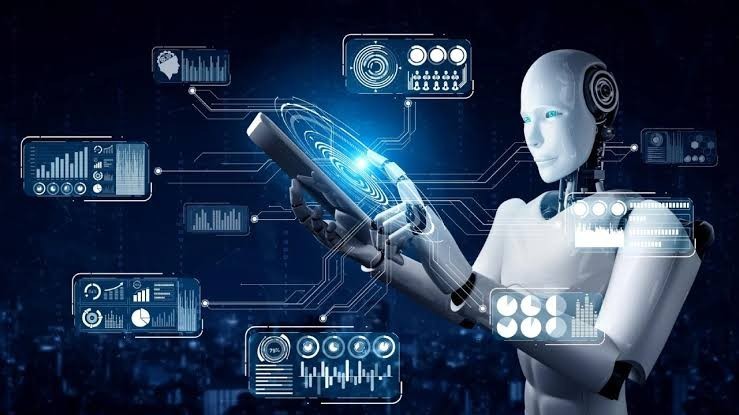
There are no predictions, but trends are evident: in the future, most of the positions will be at the border of deep technical and human-oriented skills. According to the World Economic Forum, approximately 170 million new jobs will be generated this decade as economies change, most of them in the areas of AI, green energy, advanced manufacturing, and data-driven services.
These jobs are mergers of digital literacy (AI, big data, cybersecurity) and imaginative and interpersonal abilities. It implies that the next generation of careers will not be such a simple job title as software engineer or a lab technician. They will fall into the category of hybrid jobs like AI ethics auditor, bio-manufacturing technician, and circular-economy designer and climate-adaptation planner. Such positions require systems thinking, morally sound decision making, and technical solutions into social impact.
The skills that matter (and why schools must teach them)
The international surveys of employers and intergovernmental education systems concur that a set of lifelong competencies is:
I. Digital and data literacy: familiarity with AI tools, statistics of data and algorithms. In recent studies, AI and big data are at the top of the list of the rapidly expanding skills.
II. Problem-solving and critical thinking: better questions, uncertain outputs, bias.
III. Ability to think creatively and design-wise: come up with new and helpful ideas and create prototypes in a short period of time.
IV. Teamwork and interaction: interdisciplinary and intercultural and inter technical work
V. Lifelong learning and adaptability: interest, resilience and frequent upskilling. Lifelong learning is emphasized by employers as a fundamental workforce strategy.
Why teach these now? Technologies scale quickly. The instruments of the present will be substituted, or supplemented tomorrow. The only thing that may be cherished is the ability of a human being to establish objectives, balance values, and operate on complex systems skills that cannot be totally automated.
What is being altered in classrooms (practical strategies)?
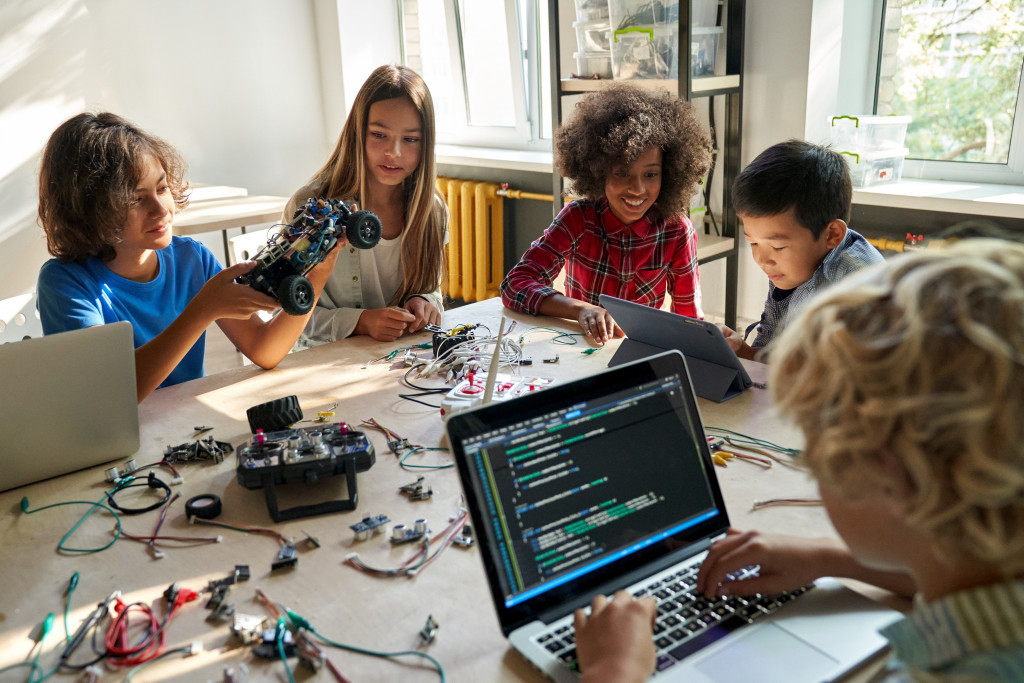
There are practical experiments on changes that can transform STEM away to rote learning:
I. Project-based and interdisciplinary learning: Students will be solving real challenges (management of local water, simple robots to assist in agriculture) that will be related to science, math, engineering, and communication. This is a reflection of workplace ills and supports system thinking. The Learning Compass of OECD focuses on blended knowledge, skills, attitudes, and values as competencies in 2030.
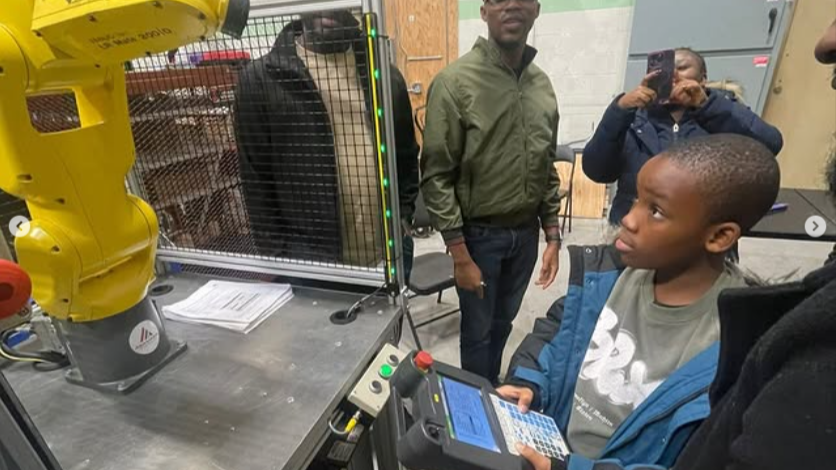
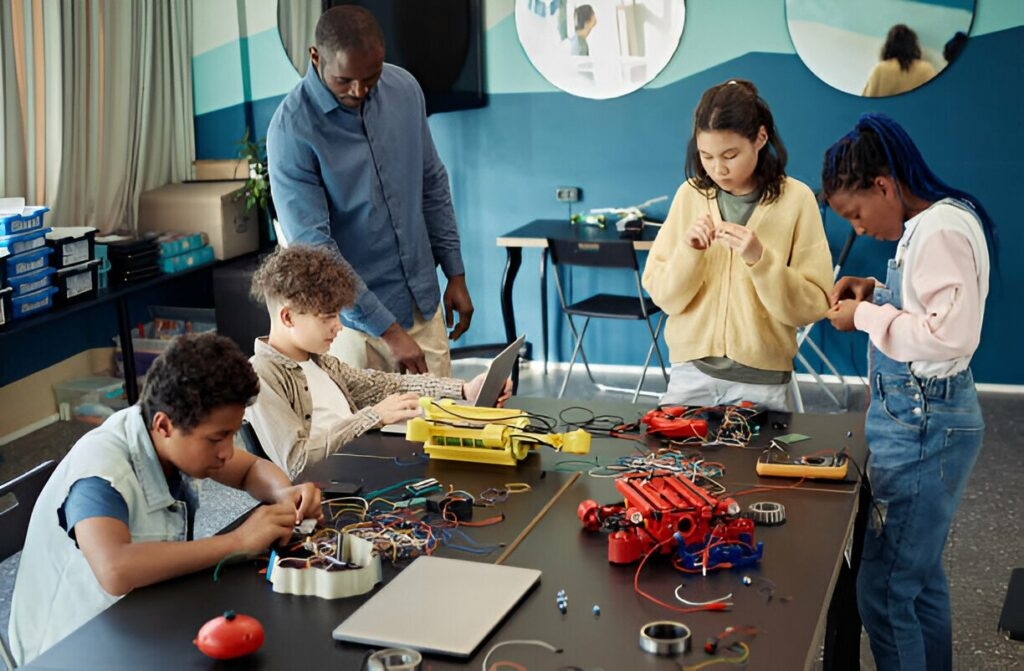
II. Maker spaces and hands-on labs: Cheap fabrication devices (microcontrollers, 3D printers) allow learners to prototype, learning by doing, failing, and trying again. Partnerships facilitated by UNESCO have implemented region-specific maker and STEM competency programs to grow practical learning.
III. AI as a classroom partner: Instead of prohibiting AI, future-oriented classrooms can educate students to utilize AI technologies with critical thinking, such as prompt design, source verification, and ethical use, and under the supervision of the human factor and ethical considerations. The reports provided by employers encourage AI fluency among coders, but among communicators and managers as well.
NEW ONLINE TRAINING COURSE
Designing Industrial AI Agents
Gain the skills to orchestrate advanced AI agents that learn, adapt, and collaborate like experts in real-world automation environments
IV. Emphasis on equity and inclusion: Current reforms in STEM now are more focused on gender inclusion, country outreach, and accessibility in such a way that talent pipelines become representative of community diversity without which countries cannot enjoy the advantages of their demographic dividends. The UNESCO and regional conferences have placed an urgent need in ensuring girls and underserved youth are included in the STEM pathways.
Curriculum design: what to keep and what to add
A feasible STEM curriculum of the future includes both foundational knowledge and transferable skills:
KEEP: basic science and math, experimental procedures, basic algorithms. A solid background knowledge facilitates flexibility in the recombination with new tools.
ADD: teachings in ethics (AI, bioengineering), data literacy, design thinking, and entrepreneurship courses that relate science to necessity. Add micro-credentials and step-by-step pathways to enable learners to accumulate skills.
ASSESSMENT MUST SHIFT TOO: Evaluate design portfolios, group work, and the digital badge, not just multiple-choice memory. Our OECD learning framework requires an assessment that is able to measure agency, creativity and application.
The role of teachers, communities and employers
Teachers are the linchpin. Their support needs to be based on long-term professional learning, industrial co-design, and classroom resources to implement new pedagogies. Employers may contribute by offering short term projects, mentorship and current tooling; universities and non-governmental organizations may develop open learning curricula and teacher education that are locally scaled. Scalable models already are being tried through public-private partnerships, such as those of UNESCO.
Equity: not an optional extra
In case STEM modernization neglects the disadvantaged groups, inequality increases. Funding needs to be provided to broadband, devices, training teachers in rural schools, and scholarships to underrepresented populations, otherwise the jobs of the future will be reinforcing those privileged. International agencies are categorical: to national development strategies, it is necessary to provide an inclusive STEM pathway.
How learners (and parents) can prepare today
Families and students do not have to wait until the system is reformed so that they can develop future-ready skills. Practical steps include:
I. Plan to Practice curiosity habits: ask “why?” and make small projects (build a basic data visualization, a small robot, or a personal website).
II. Learn tools and context: get comfortable with spreadsheets, simple coding (Python, block-based coding), and basic AI concepts while also practicing writing and teamwork.
III. Stack micro-credentials: enroll in brief online programs, and get verified badges in data literacy, AI basics or lab skills. These demonstrate competence to employers and teachers.
CONCLUSION
The task of equipping students with the skills and knowledge they will need in non-existent jobs is not so much about anticipating titles, as it is about creating flexible individuals who are able to work with technology, think systemically, and behave ethically.
It is self-evident: by investing in interdisciplinary, practical STEM education, combined with digital literacy, creativity, and well-developed teacher-learner relationships, one can offer learners the most favorable opportunity to succeed in the rapidly changing world.
The role is played by policy-makers, educators, employers, and families. The potential is immense: reconstructed STEM learning not only will equip students with the skills they will need in unfamiliar jobs, but also enable them to create the jobs and sectors of the future.

Asamaka Industries Ltd
Asamaka Industries Ltd specializes in providing comprehensive control automation solutions across multiple industries including automotive, power generation, and distribution. From electrical design to implementation of advanced technologies like robotics and vision systems, we cater to the unique needs of each sector, ensuring safety, quality, and efficiency in every project.
Discover how Asamaka Industries Ltd can support your automation journey with their complete range of solutions and expertise.
Related Posts

Physical AI & The Leadership Gap
PHYSICAL AI & THE LEADERSHIP GAP THE COMPANIES WINNING IN PHYSICAL AI HAVE ONE THING…
NSF puts $30M behind the next challenge for physical AI: Humans
The University of Texas at Austin will lead a new $30 million National Science Foundation…

Pentastar Puts Autonomous Wingwalking Robots Into Daily Operations
Pentastar Aviation has begun deploying autonomous robots alongside aircraft during towing operations at its facility…
Leave a Reply