


CRISPR and Human Ethics of Gene Editing
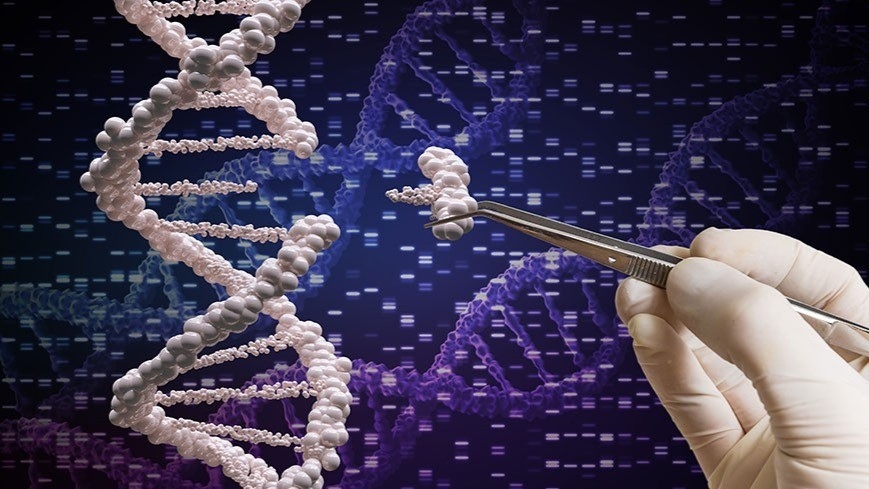
The concept of curing a disease inherently by repairing a malfunctioning gene used to be part of science fiction. The concept has been transformed into the reality of today with the help of CRISPR; which is a set of tools that allow scientists to cut, modify, or substitute short segments of DNA.
CRISPR-based therapies are being used in clinicians and researchers to cure genetic blood disorders, rare metabolic diseases, and some types of cancer. Meanwhile, technology compels society to grapple with the extremely fundamental ethical issues: who is allowed to use it, on what and how, and how do we avoid unintentional harms or injustices?
This article describes CRISPR, gives an overview of where the state of human gene editing is, discusses the ethical and regulatory controversies of editing human embryos or treating a patient, and provides a level-headed perspective of how the science and ethics may develop. The end is connected with sources and recent development in order to read deeper.
The fundamentals of CRISPR: What is it?

CRISPR (Clustered Regularly Interspaced Short Palindromic Repeats) is a set of molecular technology that can be reconfigured to locate and cut designated DNA-coded sequences. CRISPR is like a high-precision scissor controlled by a piece of RNA.
The scissors puncture the DNA when they get to the target and the repair machinery of the cell alters the sequence. In the past ten years, the functionality of base editors and prime editors has increased what researchers are able to edit, as well as minimized some risks of unintended edits. These technologies promote the increasing number of clinical trials and experimental therapies to correct disease-causing mutations.
Clinical development, real treatment, real patients
Crispr-based therapies are in patients after years in the lab. Initial clinical applications have been predominantly on somatic gene editing, modifications to non-reproductive cells of a patient which only impact on the individual.
Recent years have had CRISPR therapies to sickle cell disease and beta-thalassemia. In 2025, a newly born infant called KJ was corrected with a life threatening metabolic mutation after a personalized gene-editing drug was used.
The treatment, which was carried out at Children Hospital of Philadelphia, involved a designed CRISPR methodology to correct the exact mutation that contributed to the carbamoyl phosphate synthetase 1 (CPS1) deficiency. The child has responded positively, and is still being followed up. These achievements demonstrate the therapeutic potential of CRISPR and also illustrate the cautious approach to the design and testing of these first-in-human applications.
A critical distinction between somatic and germline editing
One of the ethical and regulatory distinctions is the differentiation between somatic that is non-heritable and germline or embryo heritable editing. Somatic editing is treating an individual patient of disease, an age old method of medicine, albeit with novel dangers.
Germline editing modifies the DNA in eggs, sperms, or embryos and these modifications can be inherited by the next generations.
Since germline edits would impact on future generations and the overall human gene pool, the scientific community has recommended extreme caution. In numerous nations, germline clinical use is banned or at least strictly regulated in regards to associated research. Guidelines by the WHO and other organizations have recommended strong oversight, transparency and openness before any attempt is made to clinically perform heritable editing.
Learnings on mistakes; why governance matters
The 2018 incident where a researcher (claiming to have created gene-edited babies) caused an uproar to everyone worldwide and was a turning point in the regulation of governance. The experiment was against the generally accepted ethical principles, carried legal consequences and caused a new avalanche of discussions about protection on the global scale.
Since that time, countries and global organizations have intensified moral codes and regulatory control. In response, some countries have issued new guidelines that specifically ban clinical editing of the germline to achieve reproduction, and establish severe requirements to embryo research.
The episode is a concise reminder of the fact that scientific ability is not the only reason to use it clinically, but a strong governance and a social agreement are needed.
Certified System Integrator Program
Set Yourself at the Forefront of the Global Vision Market
.jpg) Vision system integrators certified by A3 are acknowledged globally throughout the industry as an elite group of accomplished, highly skilled and trusted professionals. You’ll be able to leverage your certification to enhance your competitiveness and expand your opportunities.
Vision system integrators certified by A3 are acknowledged globally throughout the industry as an elite group of accomplished, highly skilled and trusted professionals. You’ll be able to leverage your certification to enhance your competitiveness and expand your opportunities.
Ethical concerns: fairness, consent and the slippery slope
CRISPR brings about a series of ethical issues which extend far beyond the safety of the laboratory:
I. Safety and unintended consequences: Even the most accurate tools may add off-target edits or result in unintended biological consequences. It is necessary to monitor over a long period and apply careful and stepwise clinical tests.
II. Informed consent: In somatic treatments, patients are capable of giving consent on their own. In the case of embryos or germline, the intended recipient is a future human being who cannot consent to it, a very significant ethical dilemma.
III. Equity and access: Expensive, innovative treatments pose a threat to increasing disparities in health. In case gene editing becomes an avenue to improvement and not a treatment, social disparities may become even more severe.
IV. Enhancement versus therapy: Genetic editing to prevent or treat disease is ethically different from genetic editing to create non-medical characteristics like height, intelligence or athletic ability. A lot of ethicists and policymakers are very adamant in drawing a clear line between therapy and enhancement, but there remains controversy on cases which fall under grey.
These ethical issues imply the balance between social responsibility and clinical promise. Rules that portray shared values have to be molded by scientists, ethicists, patient groups, and the population.
Regulatory and governance reaction

International and domestic organizations have been engaging in the establishment of guardrails. Governance recommendations have been made by the WHO and nations have revised laws and guidelines to define what research and clinical directions can be followed.
Practically, this implies:
1. Positive somatic editing is in development under clinical trial conditions and regulatory oversight.
2. The use of germline in a clinical trial would be largely banned.
3. The use of embryos in research would be allowed but strictly controlled under basic science but not under reproduction.
The themes of transparency, independent review, and international coordination are common in policy proposals, since the science and its social implications are transnational.
The path forward: cautious optimism and practical safeguards
What is the future of the next ten years?
Somatic CRISPR therapies will continue to increase and will be more tailored to the unique needs of rare diseases, and the delivery will be safer and more efficient through better delivery techniques.
Strict safety and benefit evidence will continue to be demanded by regulators. The debate on germline editing will continue to be conservative, with various scientists insisting on the need to establish guidelines on heritable editing worldwide before it can be used on a clinical basis.
Ethical governance should follow through the technical improvements, i.e. the involvement of the population, open data sharing, and those policies that are oriented toward equal accessibility rather than scientific competence only.
Conclusion
CRISPR technology is a strong place of both hope and responsibility. On the one hand, the ability to fix genetic faults presents transformative cures to individuals who now have few or no alternatives.
The CHOP/Penn personalized therapy is a bright illustration of it. Conversely, manipulating the human germline is morally concerning in terms of consent, fairness and stewardship of our common genetic inheritance.
The correct direction of the future is neither the blind ban nor the uncontrolled excitement; it is prudent, transparent and integrative government that would ensure that the life-saving somatic therapy occurs and ensure that the future generation is not endangered as well as to avoid abuse.
In the event that scientists, clinicians, ethicists, and well-meaning individuals remain interested and engaged in good faith, CRISPR can prove to be an instrument that causes no new harms but heals.

Asamaka Industries Ltd
Asamaka Industries Ltd specializes in providing comprehensive control automation solutions across multiple industries including automotive, power generation, and distribution. From electrical design to implementation of advanced technologies like robotics and vision systems, we cater to the unique needs of each sector, ensuring safety, quality, and efficiency in every project.
Discover how Asamaka Industries Ltd can support your automation journey with their complete range of solutions and expertise.
Related Posts

DEVELOP LLC Joins TLMI to Bring End-of-Line Automation Expertise to the Label Industry
DEVELOP LLC Joins TLMI to Bring End-of-Line Automation Expertise to the Label Industry FANUC Authorized…

The Emerging Direction of ISO/IEC TS 22440
This excerpt was originally published as part of a full article on the SRES website. Introduction…

Mainstay Digital Announces Mainstay One 3D Digital Asset Program for Automation OEMs
Plano, TX, September 29, 2026 Mainstay Digital, an industrial product visualization studio specializing in complex…
Leave a Reply