

Engineering Solutions for Power Supply in Rural Communities
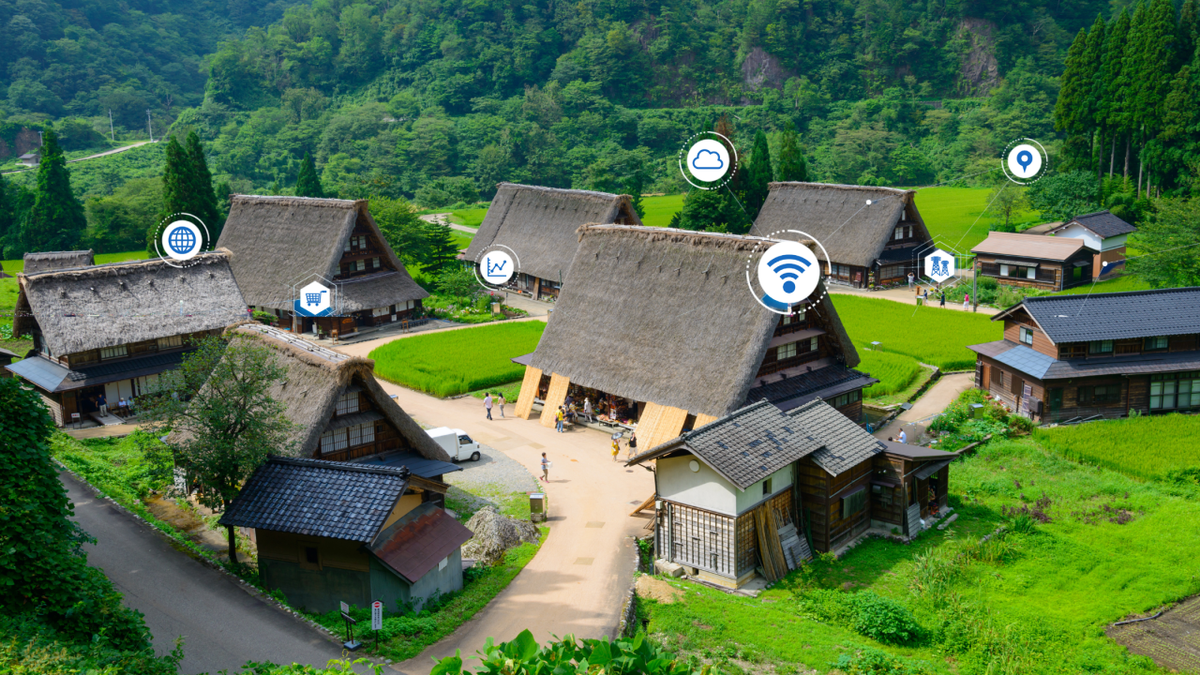
Reliable Electricity changes lives since it enables schools, clinics and businesses to operate, food is preserved and digital access is extended. But there are hundreds of millions and rural and remote regions in particular, which do not yet have reliable power.
It is both a technical and social challenge to design practical, affordable and sustainable solutions to such locations.
This article describes the primary engineering strategies (what works, why and to whom), the business and policy enabling factors that enable them to work, and real-life design considerations that engineers should remember when dealing with rural situations.
The Challenge In A Few Sentences
Rural electrification is challenging, due to the low population density, poor grid infrastructure, limited local technical capacity and limited household income, making the classic centralized grid extension very expensive and time-prolonged. Effective solutions combine right-sized technology, intelligent controls, finance models that align with ability-to-pay, local ownership, and an eye to the future planning such that systems can be scaled, or interconnected with national grids in the future.
Core Engineering Solutions
1. Solar Home Systems And Pico-solar Kits, the Entry Point
Solar Home Systems (SHS) and pico-solar kits provide a direct and short-term direct payoff to single households and very small clusters: lighting, telephone charging, and small radios or fans.
They are low-technology, installable quickly and can be sold on pay-as-you-go (PAYG) terms so families can pay in small, conveniently manageable installments.
In terms of Engineering, the design priorities are durability (IP-rated enclosures), easy MPPT charge control and modular battery packs, whose maintenance and replacement are easily accessible. Integrating PAYG necessitates metering which is secure and the ability to lock/unlock remotely. There is evidence that SHS models have quickly scaled as an initial step towards electrification in most locations, but affordability has been a primary obstacle to some households.
2. Mini-grids and Microgrids of Solar Power
Serving communities and businesses.
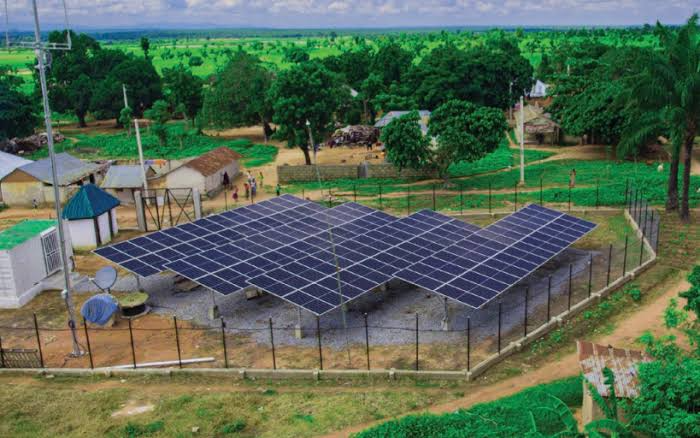
In a village with dozens or hundreds of customers and productive loads, like mills, refrigeration or workshops, mini-grids, locally controlled small grids distributed between solar PV and battery storage, can be the most cost-efficient choice.
Mini-grids are designed to deliver more power (kW-MW scale), centralized generation and storage and can offer three phases where necessary to commercial equipment.
Important engineering choices are sizing (generation and storage to peak demand and seasonal variations), protection schemes (safety and islanding), power quality (voltage and frequency control), and combination of demand-side management devices (smart meters, tariff on demand).
According to recent market research, the mini-grid sector is growing at a rapid pace and is now a feasible avenue towards accessing large populations in under-served territories.
Properly designed mini-grids can reduce the per-unit cost by combining both domestic and educational requirements, enhancing the sustainability of the long term.
3. There Are Hybrid Systems
A combination of resources to be reliable.
Where there are periods of lack of resources or where baseload generation is required (hospitals, water pumping, cold storage), hybrid systems are used, with solar and batteries, and in some cases a small diesel or biomass genset.
Technically, hybrids need to work on their fuel prices, lifecycle emissions and complexity of maintenance. Hybrid control systems are modern where energy management software is used to give priority to renewable generation, reduce fuel consumption, and control the battery life by intelligent state of charge control. Hybridization enhances reliability and enables critical services to operate 24 hours.
4. The Glue In Terms Of Energy Storage and Smart Controls
Battery storage converts variable renewable generation to dispatchable generation. Battery chemistry, depth of discharge, thermal management, and lifecycle cost affect the initial CAPEX and the levelized cost of electricity in the long-term. The cost of storage will decrease significantly over the following decade, and solar-plus-storage will become even more competitive when compared to the fossil-fueled options.
Remote monitoring, smart inverters and automated controls enhance efficiency in operations and also facilitate troubleshooting which is essential in remote areas where there are limited skilled technicians.
Sustainable Business and Financing Models that render Engineering Sustainable
The problem will not be resolved by technology alone, financing and business models will have the same significance.
- PAYG (Pay-As-You-Go): This is a system where customers make payments in installments with mobile money. PAYG allowed quick adoption of SHS in most countries because it reduces the barriers to upfront costs; nevertheless, subsidies and targeting can be required in the poorest households.
- Mini-grid Developers + Public-private Partnerships: Mini-grids are usually co-financed by governments, development banks and private developers. Targeted subsidies and concessional finance make the risk to the private investors minimal and affordability of the users long-term. Mini-grid programs on a scale are actively encouraged by the World Bank and other multilateral organizations.
- Productive-use Contracts and Anchor Loads: Mini-grids should be designed to produce businesses (cold storage, irrigation pumps, agro-processing) which are regular revenue generators that support financial feasibility. Socio-economic impact is also multiplied in productive use.
Real-world Design: Engineering Related Matters
I. Right-Sizing vs Overbuilding: Hiring additional equipment than required increases capital expenditure and delays revenue generation, and under-sizing leaves the users angry. Perform demand analysis and expansion organically.
II. Resilience and Maintenance: Select strong components, maintain reserve components close at hand, as well as design systems that are simple to trouble shoot. Train domestic technicians and make maintenance arrangements.
III. Quality of Service (QoS): Stable voltage, reduced harmonic distortion and appropriate frequency control are particularly important to sensitive electronics. Protective relays, surge protection, and a good grounding system should be included by engineers.
IV. Interoperability and Future Grid Integration: Construct mini-grids using standard transformers, protection, and SCADA to enable them to be connected to the national grid when it is available. This maintains the value of assets and eliminates stranded investments.
V. Socio-Technical Fit: Adapt technology to local economic activity, culture, and government. Engage communities in siting, tariff establishment and selection of operators.
Evidence (what recent experience shows) and case studies.
- Scaling Potential of Off-Grid Solar: According to multilateral research, off-grid solar, whether SHS or mini-grids, could potentially provide first-time access to hundreds of millions of people by 2030, assuming financing and policy barriers are eliminated. There are also these studies, which indicate that the most difficult ones are affordability and war-torn regions.
- National Programs and Private Deals: Nigeria signed significant deals in 2025 to roll out hundreds of renewable mini-grids in rural and peri-urban locations, which is a good model of government-and-private-sector cooperation to speed up scaling. These transactions demonstrate how policy regimes and targeted capital may accelerate the deployment.
Future Trends Engineers Should Watch
Falling Battery Costs and New Chemistries (e.g., LFP, sodium -ion) are reducing storage CAPEX and extending the economies of solar plus storage mini-grids.
- Digitalization: Remote monitoring, predictive maintenance, and AI-enabled energy management help reduce the cost of operations and minimize downtime of systems.
- Integrated Planning Tools: Open-source planning models and geospatial demand data make it easier to design portfolios of cost-optimal electrification solutions that integrate on-grid, mini-grid, and standalone solutions.

CONCLUSION
Rural Power Engineering solutions should not only combine technical excellence with realistic funds but also local participation.
Providing instant advantages to individuals in solar home systems, community service and business development with mini-grids, hybrids and smart storage allow reliable power supply for essential purposes. However, none of these technologies will go green in the long run without the ability to finance it, proper policy guidelines, and local trained workers.
To engineers, best practice begins with a proper needs assessment, the selection of the right-sized technology, the design to maintainability and future integration, and collaborating closely with the communities and financiers in developing sustainable systems.
When social design, business models and technology fit, then rural electrification is more than an engineering project, it is a sustainable development platform.

Asamaka Industries Ltd
Asamaka Industries Ltd specializes in providing comprehensive control automation solutions across multiple industries including automotive, power generation, and distribution. From electrical design to implementation of advanced technologies like robotics and vision systems, we cater to the unique needs of each sector, ensuring safety, quality, and efficiency in every project.
Discover how Asamaka Industries Ltd a can support your automation journey with their complete range of solutions and expertise.
Related Posts

DEVELOP LLC Joins TLMI to Bring End-of-Line Automation Expertise to the Label Industry
DEVELOP LLC Joins TLMI to Bring End-of-Line Automation Expertise to the Label Industry FANUC Authorized…

The Emerging Direction of ISO/IEC TS 22440
This excerpt was originally published as part of a full article on the SRES website. Introduction…
Mainstay Digital Announces Mainstay One 3D Digital Asset Program for Automation OEMs
Plano, TX, September 29, 2026 Mainstay Digital, an industrial product visualization studio specializing in complex…
Leave a Reply