

Expert Insights on the Machinery Regulation (EU) 2023/1230

The Machinery Regulation (2023/1230) will replace the Machinery Directive 2006/42/EC on 20 January 2027, bringing a new approach to machinery compliance across the European market. While many familiar safety principles remain, the Regulation introduces broader requirements that reflect the increasing use of software, connectivity and AI in modern machinery.
During a recent webinar, experts from Fortress Safety explored the key changes and what they mean for machine builders, system integrators and end users.
Why the EU Regulation was created
One of the most significant differences is that the Regulation applies directly across all EU Member States, replacing the current system where individual countries implemented the Directive through national legislation. This is intended to create a more consistent approach to machinery safety and compliance.
The update also reflects the rapid evolution of machinery technology. As connected systems, AI and digital controls become more common, manufacturers must now consider risks beyond traditional mechanical and electrical hazards, including cybersecurity, software reliability and data integrity.
Key Changes Manufacturers Should Know
Substantial Modification Responsibility
The Regulation introduces greater clarity around what constitutes a substantial modification. Where a change introduces new hazards or increases risk levels, the machine may require a new conformity assessment before it can be returned to service. This places additional responsibility on organisations modifying existing equipment.
Conformity Assessment and CE Marking
Manufacturers must still demonstrate compliance through an appropriate conformity assessment process. Depending on the machinery involved, this may range from self-assessment to independent verification by a notified body. CE marking will remain the formal declaration that machinery meets the relevant safety requirements and can be placed on the EU market.
Common Specifications Concept (Article 20)
The Regulation places increased emphasis on post-market compliance. Manufacturers will be expected to maintain conformity throughout a machine's lifecycle, monitor performance, and take corrective action where risks are identified. The focus shifts from compliance at a single point in time to ongoing responsibility.
Evolved Risk Assessment
Risk assessments will continue to play a central role but must now consider a wider range of factors. Alongside mechanical and electrical hazards, organisations will need to assess software reliability, cybersecurity threats, data transmission risks and the behaviour of AI-enabled systems.
What It Means for Machine Builders and End Users
For machine builders, the EU Regulation increases expectations around documentation, risk assessment and ongoing compliance management. Non-EU manufacturers placing machinery on the European market will also need to ensure the necessary compliance arrangements and documentation are in place.
End users should pay particular attention to machinery modifications. Changes that alter a machine's function or risk profile substantially could trigger additional compliance obligations under the new rules.
With implementation set for January 2027, organisations are being encouraged to review their current compliance processes and prepare for the broader lifecycle and digital safety requirements introduced by the Regulation
To watch the full webinar on demand, click here.

Fortress Safety
Fortress Safety provides life-saving solutions, protecting people and equipment in industrial workplaces globally. We are experts in machinery safety and interlocking, and a global provider of robust safety solutions for the manufacturing sector.
Discover how Fortress Safety can support your automation journey with their complete range of solutions and expertise.
Related Posts

Appointment of Tom Crane as Fortress Safety’s New Managing Director
Kentucky, USA/Wolverhampton, UK, 1 October 2026 – Fortress Safety announces the appointment of Tom Crane…
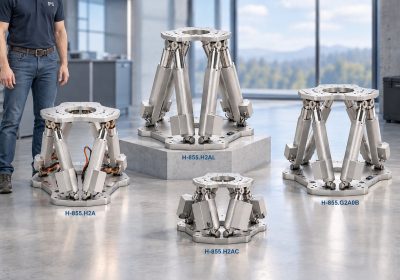
Hexapod 6-Axis Robot Moves 1100lbs Load with Sub-Micron Precision
PI Introduces High-Load Hexapod 6-DOF Family for Precision 6-Axis Positioning of Loads up to 500…
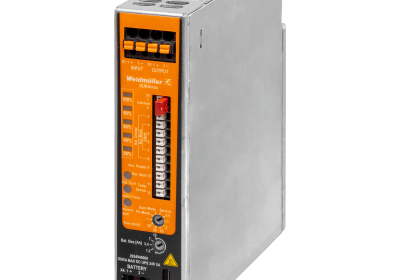
Weidmuller USA Introduces DURAmax DC UPS for Safe, Uninterrupted 24V Power Supply
Weidmuller USA, a leading provider of smart industrial connectivity and automation products and solutions headquartered…
Leave a Reply