

Robots in the Workforce: Debunking the Myths and Embracing the Realities of Employment in the Automation Age
Robots in the Workforce: Debunking the Myths and Embracing the Realities of Employment in the Automation Age
The advancement of robotics and artificial intelligence (AI) has made people around the world talk more about what will happen to jobs in the future. Some people think robots will take away a lot of jobs, while others believe automation could help make things more efficient and even create new ones. This article looks at some common misconceptions about robots taking jobs and describes what actually happens to employment as a result, using new research and what experts have to say.
Myth 1: Robots Will Mean Lots of People Losing Their Jobs.
One of the most common fears is that robots will take jobs away from people, which could cause a lot of people to lose their work. While automation can get rid of some jobs that do the same things over and over, it also opens up chances for people to work in new areas. For example, Amazon has shared that over 700 new jobs have been created because of things like new technology, even though robots are now doing a lot of the work at its warehouses.
In fact, the World Economic Forum says that robots might take away 85 million jobs by 2025, but at the same time, new jobs like those in AI, cybersecurity, and data analysis could also show up for 97 million people. The reality is more nuanced: robots might change the way people do their jobs instead of getting rid of all of them. With the right planning, such as training employees in new skills, helping them get ready for new jobs, and supporting education that prepares people for the future, automation can actually help make work better and improve people’s lives instead of hurting jobs.
Myth 2: The Risks to Jobs Is the Same
Many people believe that every job is threatened by automation to the same level. Data entry and simple manufacturing jobs are, in fact, the types of jobs more likely to be automated. In contrast, people doing jobs that require their creativity, empathy, and complex judgment, like those working in healthcare, education, and design, are usually not at risk. Research predicts that about 30% of existing jobs could be taken over by robots by the middle of the next decade. Still, how much risk there is depends greatly on the sector, level of education, and the demographic group. Roles in manufacturing, transport, or administration are at a higher risk than jobs in creative, management, or caretaking.It has been found that the effects of automation do not affect all groups in the same way. Automation from 1993 to 2014 caused men to lose jobs at 3.7% higher rates than women lost at 1.6%. The jobs decline among non-White workers was 4.5 percentage points more than the dip seen among White workers. They make it clear that automation sometimes unintentionally widens the gap between different genders and groups at work.
Myth 3: Robots Only Replace Jobs
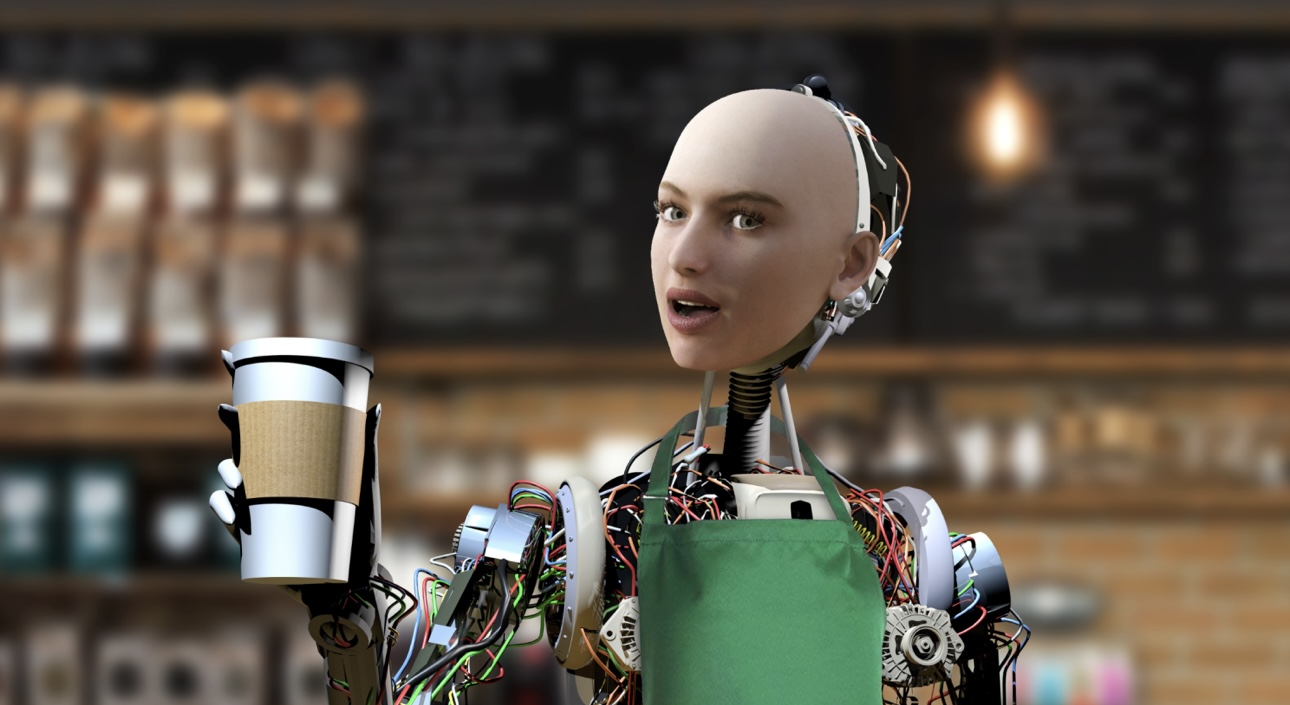
The fact is, robotics don’t always replace every job or worker. To be honest, computers and machines help people by making both jobs and the workplace safer. Robots are capable of doing difficult and hazardous jobs, giving workers better opportunities at more important or creative work. For instance, by using robots in logistics and manufacturing, physical injuries and strain to workers can be reduced while employees focus more on other tasks. Automation may increase the happiness of workers in their jobs. Thanks to automation, Australian workers ended up saving up to 245 hours each year, which they could then use for important jobs or to have more time for themselves. Additionally, automation is giving rise to new careers in AI, robotics, and data, jobs that simply did not exist a few years back.
Reality 1: Automation Brings New Changes to the Workplace
While automation does change the nature of work, it does not remove all jobs from the economy. A lot of jobs are adjusting, as machines are now taking over many routine and repetitive jobs. RPA is used, for example, in finance and customer service to help handle routine tasks with data and questions. In turn, this helps human staff focus on more complex, analytical, or people-related roles. Therefore, employees are required to learn different skills. To stay relevant at work, it is important to keep up with changing skills in the current market. Both employers and educational bodies should collaborate to create programs that help people develop skills needed for different career paths, as well as digital, reasoning, and technical skills.
Don't Miss These Industry-Leading Events!
.png)


.png)
Reality 2: The Effect Is Not the Same in All Places and Sectors
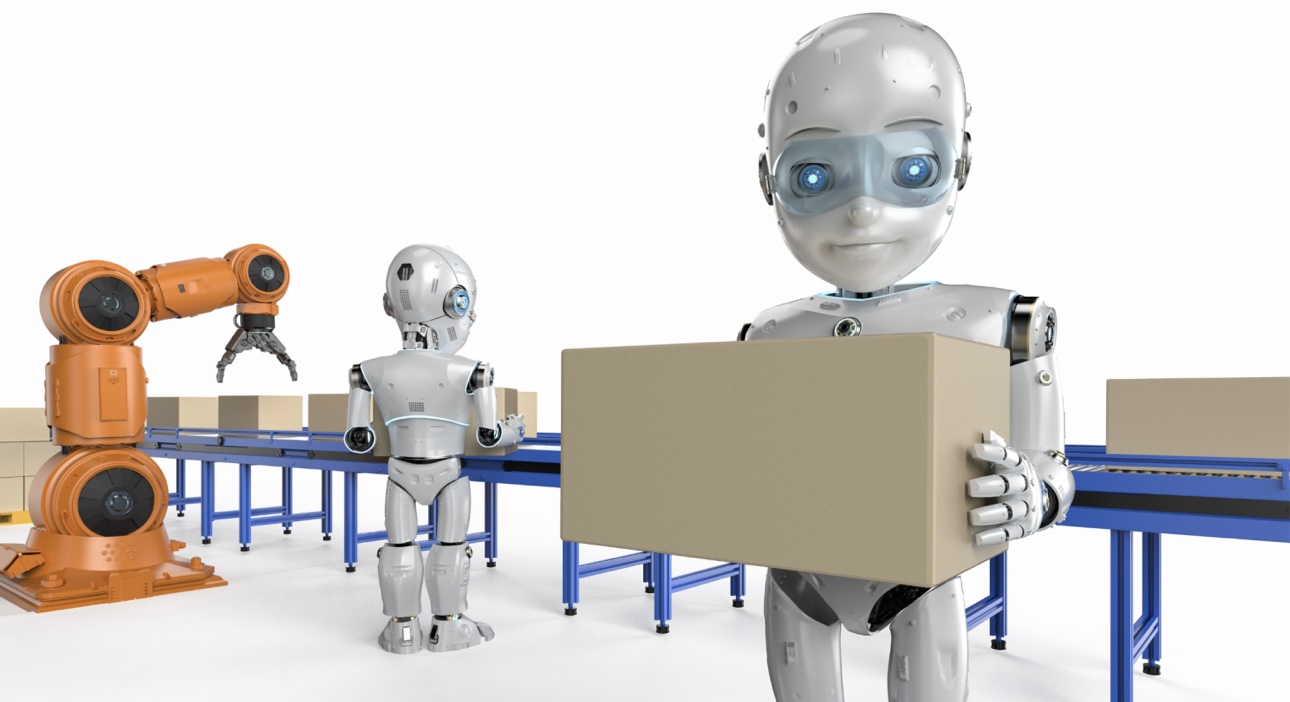
The effects of robotics on jobs vary from one region and industry to another. In China, automation has greatly changed the way manufacturing is done. China has taken on challenges like greater labor costs, disputes in trade, and an older population by heavily investing in AI-driven robots with human characteristics. With companies like AgiBot and MagicLab leadingthe way, there is now an increased focus on AI machines that interact with the physical environment. Yet, this trend has recently made many migrant workers lose jobs. Shifting from manufacturing to work in other less lucrative sectors has raised questions about inequality. With this in mind, local administrations and businesses are arranging workshops for workers to build new skills and explore new types of work. Even so, it is still a big challenge to make sure that all people have the tools they need for adaptation. Because of these realities, it is important to craft policies that fit the different outcomes of automation and support everyone in the workforce.
Reality 3: Worker Perceptions Are Mixed
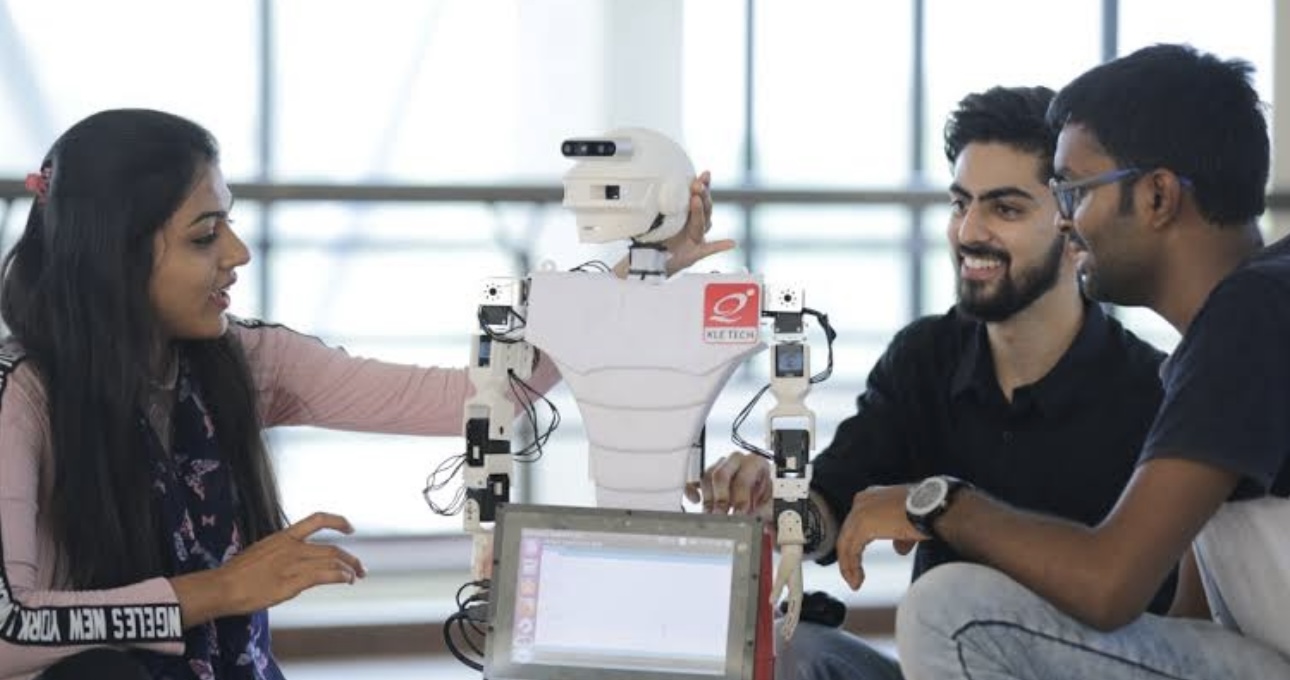
People working in organizations do not all feel the same about automation and robotics. What people think about these technologies mainly depends on their job, their education level, and the amount of technology they encounter in their daily tasks. In 2024, surveys conducted with over 9,000 workers in nine countries found that a lot of these workers believe automation is helpful. They feel it can help employees stay safe, be more comfortable, take control, and possibly earn more. If people learn new skills, are valued by their employers, and enjoy their job, they tend to accept new technology. Using technology, they are able to transfer more repetitive tasks and concentrate on activities that are more important. On the other hand, not all people are convinced about this improvement. Recently, a poll by Gallup showed that 25% of workers are concerned about their jobs disappearing because of new technological advances in AI and robotics, as compared to the 15% who were concerned in 2021. This is because many workers working in manual or repetitive labor are worried that their jobs will vanish as automation increases. Because people often have mixed opinions about work, employers and policymakers should make sure to communicate openly and clearly. Care must be taken to address issues in a timely manner, provide training, and make it clear that using technology is meant to add to, not take away from, their jobs.
Conclusion
Robotics and automation are significantly changing the world of work across the globe. The fear of losing one’s job still lingers, but the situation is more complicated. Technology is affecting how we do our jobs, and not only if we work or not. It all depends on how you plan for the change. Focussing on teaching, retraining, and employing all workers together will help society make automation a positive influence instead of a divisive one. Properly handled, the advance ofrobotics can provide better jobs, safe environments at work, and more flexible teams of employees.



Leave a Reply