


The Evolution of Distributed Control Systems (DCS): From Legacy Architecture to Intelligent Automation
The Evolution of Distributed Control Systems (DCS): From Legacy Architecture to Intelligent Automation
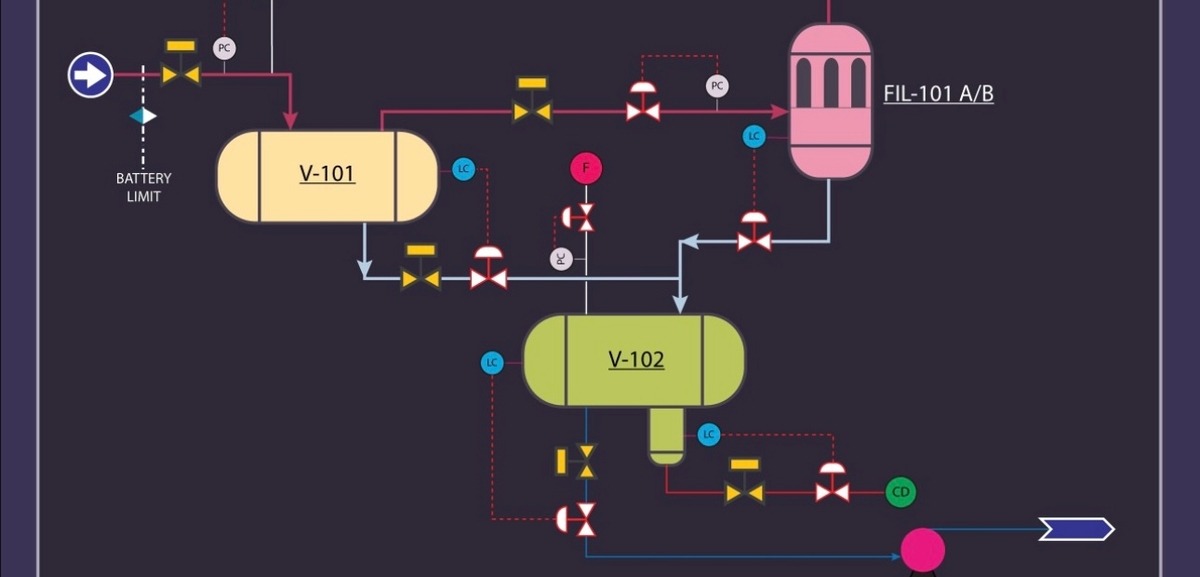
Industrial automation has experienced a transformation through Distributed Control Systems (DCS) since these systems allow efficient process control of complex industrial processes. DCS systems started their existence during the 1970s, while modern technology integration of AI and IoT components in recent years has resulted in continued adaptation to industry requirements. This article analyzes DCS history alongside architectural breakthroughs and predicts their upcoming impacts on industrial operations for modern use.
Origins of DCS: The 1970s
During the 1970s DCS came into existence to resolve problems with the centralized control systems which were beginning to fail. Traditional control systems operated with one central authority which exposed systems to complete breakdown and restricted their potential growth. The implementation of DCS brought a distributed control method which separated control functions into different controllers and processors. This new architecture made systems more reliable and provided better flexibility and maintained simpler operations across multiple processors. The first implementations of this technology occurred in firms possessing complicated industrial processes such as oil refineries and chemical plants due to their essential need for operational continuity.
Technological Advancements: 1980s–1990s
During the 1980s and 1990s, Distributed Control Systems (DCS) experienced a critical advancement phase. The period brought forward several important developments that included:
1) Integration of Microprocessors
✓ Microprocessors significantly enhanced processing capabilities.
✓ The introduction of microprocessors delivered both firm and sophisticated control algorithm execution while reducing response duration.
✓ Improved system reliability, accuracy, and overall performance.2) Adoption of Standardized Communication Protocols
✓ Devices from various manufacturers could communicate flawlessly through communication standards such as Modbus and Profibus.
✓ These standards provided DCS systems with improved flexibility in addition to scalability.
✓ The integration process for expanding systems across big operations became simpler.
2) Enhanced Human-Machine Interfaces (HMIs)
✓ Text-based displays transitioned to graphical user interfaces as a significant improvement in human-machine interfaces.
✓ The system provided operators an easier way to monitor and interact with the real-time operations.
✓ Improved visualization, faster response to faults, and reduced human error.
3) Expanded Industry Applications
✓ The technological advancements of DCS made the system available to industries that went beyond oil and gas operations.
✓ The power generation sector together with water treatment and pharmaceuticals and manufacturing industries adopted DCS for their operations.
✓ The industrial sector welcomed these system attributes because they offered better reliability alongside easier usage and enhanced connection possibilities.
The technological progress developed core elements of contemporary intelligent DCS platforms, while enabling new Industry 4.0 innovations starting in the early 2000s and onward.
Architectural Evolution: 2000s–2010s
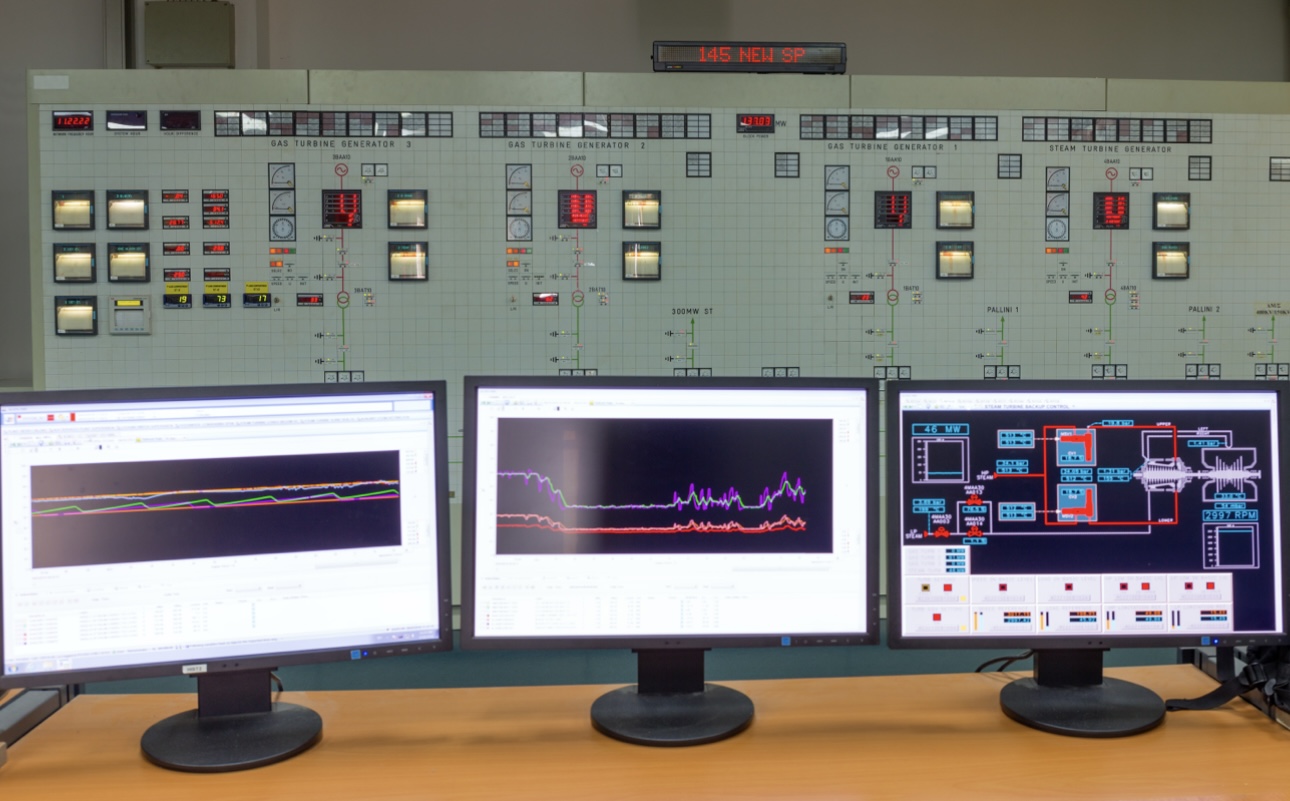
The history of Distributed Control Systems (DCS) experienced major architectural advancements through the 2000s and 2010s which produced sophisticated interconnected operations. This period brought forth significant developments which led to advancement in modern intelligent DCS architectures.
1) Networked Systems
Ethernet along with modern networking solutions created real-time and uninterrupted connections between controllers and Human-Machine Interfaces (HMIs) as well as field devices. The installation of these networks sped up data exchange and enabled distant monitoring functions which in turn made operations more efficient.
2) Modular Design
The modular design approach in DCS architecture allowed separate components and subsystems to install or replace or update as standalone units without major operational interruptions. The upgraded system design enabled better scalability and simplified maintenance procedures which improved capacity to accept process requirement changes.
3) Integration with Enterprise Systems
DCS started incorporating itself into Enterprise Resource Planning (ERP) along with Manufacturing Execution Systems (MES). The linked system served to combine operational visibility between the production floor and business management departments. Through the connection DCS offered better access to real-time resource planning systems, performance tracking capabilities, and decision-making tools. The updated architectural systems allowed industries to boost control accuracy while obtaining real-time data monitoring and coordinated production workflows with business objectives. Initial developments from this time period allowed DCS systems to develop towards more intelligent data-centric capabilities in the next ten years.

The Impact of Industry 4.0 and IoT
Industry 4.0 alongside IoT technologies transformed Distributed Control Systems (DCS) by reshaping their features as well as their operational duties. The technology advancements brought DCS operations past basic automation practices to achieve adaptive industrial procedures. The major technological developments which transformed DCS operations includes the following integrations:
1. Real-Time Data Analytics
Real-time data analytics brought forward by DCS enabled industrial organizations to capture and process information instantaneously along with taking immediate actions based on their findings. Companies introduced predictive maintenance methods which allowed their systems to track asset deterioration and failures prior to critical states. Process optimization together with anomaly detection through these integrations resulted in higher operational efficiency alongside shorter downtime periods and safer operations.
2. Cloud Computing
The integration of cloud services brought forth an important transformation in DCS data handling operations. Industry outcomes improved through the connection of DCS systems with cloud platforms which enabled remote access to large process data collections. A centralized control system became possible while real-time collaboration improved between different locations and data security strengthened, as well as system scalability which benefited companies with multiple locations.
Certified Motion Control Professional Program
Strengthen Your Skills and Enhance Your Career
 Motion control is ubiquitous to automation. A3 offers the fundamental knowledge that benefits everyone working with motion control, motors and automation technologies. The program is designed to ensure professionals have the knowledge they need to advance their careers and benefit their businesses.
Become a Certified Motion Control Professional (CMCP) and join the elite group of system integrators, machine builders, manufacturers, end-users and others recognized in the industry for their professional knowledge and expertise.
3. Edge Computing
DCS started running process data directly at or near its sources including sensors and field controllers when edge computing became available. The data transfer process to the central server became shorter and instructions waited for shorter periods. This method cut down response times and latency levels, which serves essential needs in industrial applications that need emergency shutdowns and immediate feedback control systems. The implemented integrations positioned DCS to achieve its alignment with Industry 4.0's fundamental principles, which revolve around intelligent manufacturing based on data processing and quick industrial system responsiveness.

Cybersecurity Considerations
The application of digital technologies and cloud platforms and remote access features across Distributed Control Systems (DCS) led to a substantial growth of cyber threats. The modern interconnected DCS system structure made it a considerable target for cyberattacks that could trigger operational problems as well as data breaches and safety occurrences. Critical infrastructure protection became possible through robust cybersecurity measures that industries began developing. The key measures included:1. Network Segmentation The division of DCS networks into separate segments worked to minimize the consequences of possible cyberattacks. A compromised section of a multidivisioned network could not rapidly affect other network areas because sections functioned independently from one another. The isolation of sensitive areas through network segmentation minimized security threats by reducing system exposure together with threat containment measures.
2. Access Controls
Access control measures required immediate implementation for security reasons. Only personnel who held valid role permissions could gain entry to particular segments of the control system. The implementation of these measures lowered chances for both unintended and deliberate use of sensitive controls while enabling monitoring to detect suspicious user activities.
3. Regular Updates and Patches
Most cybersecurity threats develop from using outdated programs that leave unfixed system vulnerabilities. Regular updates of DCS software together with firmware and security tools became mandatory procedures. Product updates came with security patches which fixed documented vulnerabilities which decreased the chances of exploit attacks. Because cyber threats evolved in complexity, industries started to understand the necessity for active multi-tier cybersecurity solutions. The protector of DCS environments gained equal significance to the operators who optimized system performance through security practices that ensure occupational safety.

Future Trends and Innovations
DCS will become smarter due to emerging technologies that will integrate with these systems in order to make them more adaptable and efficient as industrial developments continue. DCS technology will transform through these critical innovations leading to its future development:
1. Artificial Intelligence (AI)
Artificial Intelligence serves as the fundamental force that enhances the decision systems of Distributed Control Systems. DCS implements AI algorithms to analyze tremendous sensor and process data streams throughout real-time operations. Process optimization will grow better through the use of better performance evaluation which also provides actionable recommendations for improvement strategies.Through AI technologies, fault detection systems obtain improved capabilities to foresee equipment failures, thus they help plan maintenance activities to minimize operational interruptions. The advancing maturity of AI systems will escalate its integration into DCS applications to deliver more self-operating data-optimized choices, while minimizing human mistakes and optimizing system performance.
2. Machine Learning (ML)
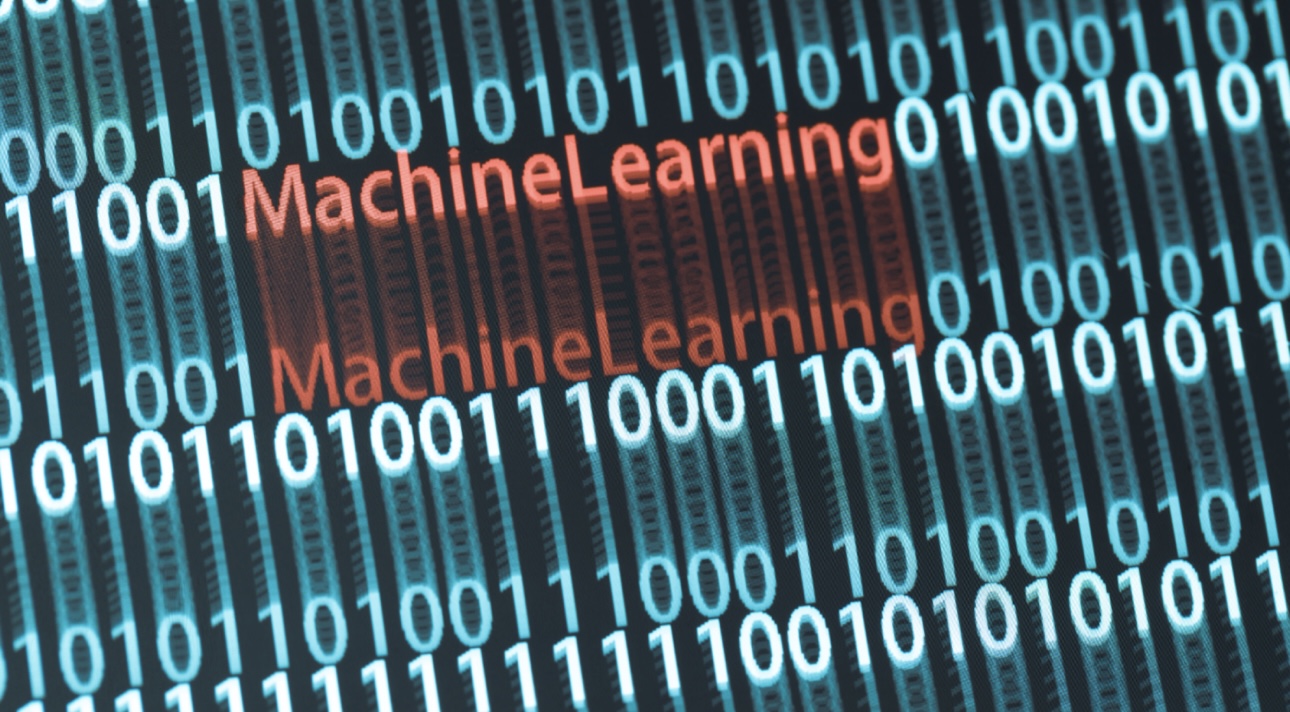
ML presents itself as a transformative technology that will reshape DCS systems. Machine learning addresses traditional rules-based systems through a mechanism that enables systems to gain knowledge by reviewing data throughout operation. DCS possesses the capability to enhance its operational performance continually because it learns to recognize hidden patterns, irregularities, and emerging trends that experts might miss. Real-time adjustments to control strategies become possible through ML since historical data helps DCS achieve smarter control systems which respond faster. Through data learning capabilities predictive analytics tools can be supported in order to take proactive measures that advance operational improvements.
3. Digital Twins

Real-time simulation along with testing occurs within virtual replicas known as digital twins that duplicate physical systems. The implementation of digital twins at DCS provides a virtual space to conduct simulation and modeling without affecting current operations. Through this technology, operators achieve better process optimization by testing alterations while monitoring anticipated results before actual implementation within the physical domain. Through digital twins, nations will obtain better system designs while lowering operational risks and achieving enhanced operational efficiency. Modern technology will direct DCS development toward next-generation systems which offer industrial organizations better agility along with enhanced responsiveness and operational excellence across growing operational challenges.
Conclusion
The advancement of Distributed Control Systems adopts the major industrial automation direction that involves growing complexity together with enhanced connectivity and intelligent operations.The adoption of AI together with IoT and digital twin applications has accompanied the gradual evolution of DCS from their initial development in the 1970s until present day. Success in the future of Distributed Control Systems requires immediate adoption of present-day innovations. The combination of artificial intelligence with machine learning and digital twins enables industries to achieve enhanced efficiency while guaranteeing operational resilience and sustainability, which helps them navigate the digital transformation.


Leave a Reply