

Why Carbon-Neutral Engineering Cannot Wait Any Longer
1. Introduction
Consider a world where all the bridges you crossed, the skyscrapers you lived in and factories that were buzzing with activity were built not just to work but to save the planet. It is no longer a dream world.
It is getting compulsory. Carbon-neutral engineering is no longer a choice; it is the new reality changing the way civil, industrial and software engineers design, construct, and operate our infrastructure.
2. The Climate Deadline: A Summary of Why It Matters Now
The world is united in its opinion: the world does not have much time to restrict warming to 1.5 °C. Such reports as the one by the International Energy Agency, Net Zero by 2050, show the urgency.
They demand a fast international energy transition, an expansion of renewables, electrification, energy-efficiency, green hydrogen, and carbon capture all of which must begin immediately.
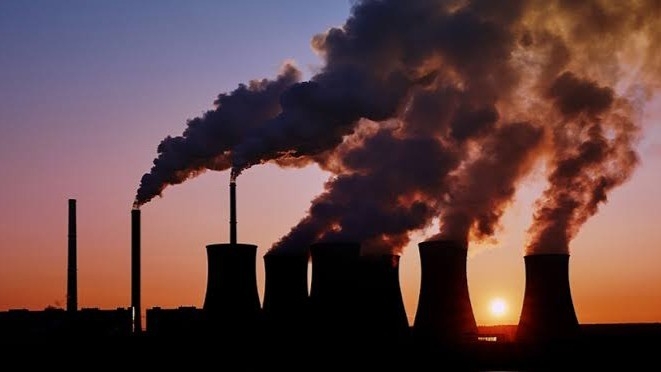
In the industrial sector, industries such as cement and steel contribute ~15% of the total greenhouse gases to the world. The heavy industry, transport, and buildings make up almost 40% terribly difficult to decarbonize unless we have some clear carbon-neutral engineering plans.
Simultaneously, more than 145 countries (amounting to about 90% of world emissions) have declared net-zero commitments. Developers of major financial flows, policies, and standards now demand a tangible commitment to carbon neutrality, not some vague talk.
3. The wide front of engineering: software to infrastructure
A. Construction & Civil Engineering
About 78% of energy in the world is consumed in cities and more than 60 percent of greenhouse gases are produced in the cities.
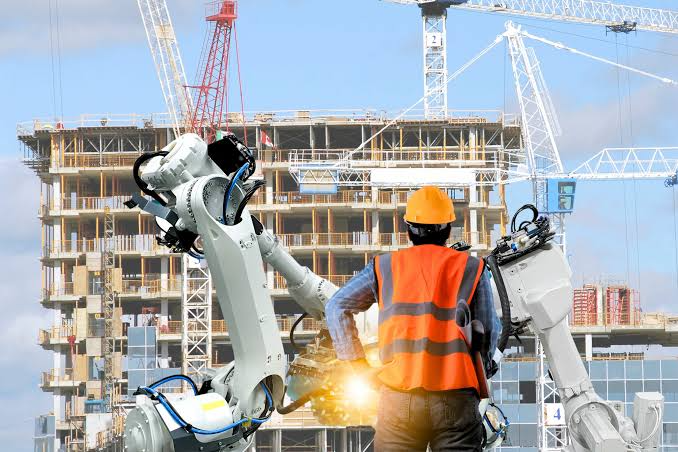
Civil engineers are laying out cleaner grids, decarbonized transport and low-embodied-carbon buildings- acknowledging that emissions embodied in materials (such as concrete, steel) count too.
Embodied emissions make up to 11% of total emissions worldwide and up to 75% of the total lifecycle of a building, particularly where an operation becomes energy-efficient.
Examples: European innovators have embraced bio-based materials, creating embodied carbon cuts of ~20% and in some cases trapping atmospheric CO₂ through building lifetimes.
B. Material and Manufacturing Engineering
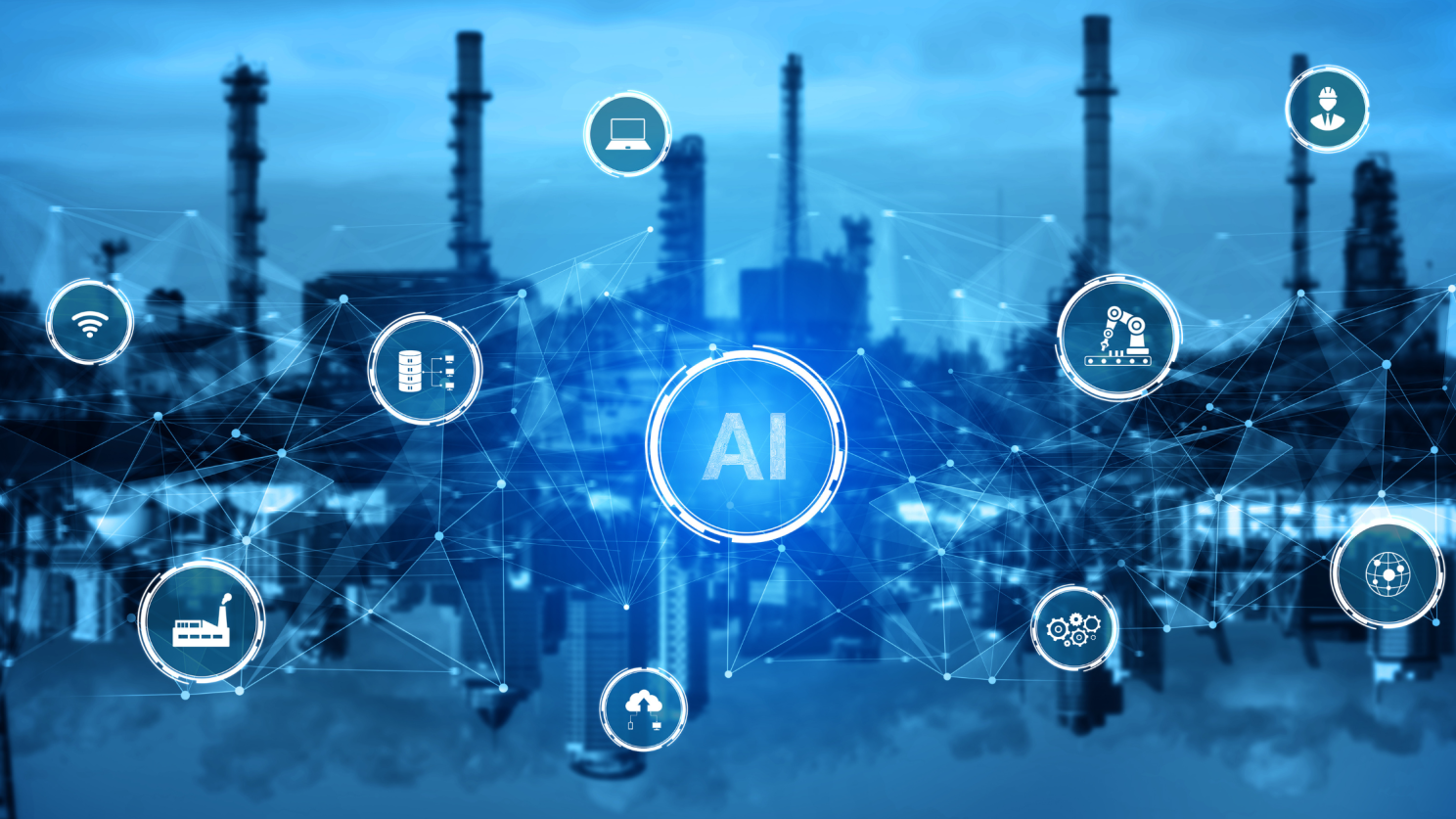
Significant breakthroughs, including low-carbon concrete, which has been discovered by AI, are currently being rolled out. In Illinois, one project applied generative AI (conditional variational autoencoders) to generate concrete formulations that emit much less throughout their lifecycle and still satisfy strength requirements on real-world data center construction.
In the steel industry, projects such as the Swedish HYBRIT are making so-called green steel, through hydrogen reduction of iron rather than carbon, with water rather than CO₂ being emitted. The aim is to ramp up production in earnest by 2026, when it is hoped it will be able to cut one of the most carbon-intensive sectors in the world.
C. Data, Systems and Software Engineering
Carbon footprint applies even to software engineers, data centers could contribute 8 percent of the total world emissions by 2030. Frameworks such as Green Algorithms are designed to measure the carbon cost of computations, and architectural adjustments (such as scheduling workloads when there is renewable energy available) can cut emissions by orders of magnitude.
The tuning of data engineering systems is now being applied to track supply chain emissions, power sources, construction lifecycles, and bring them into real time dashboards.
Research indicates that it is in utilizing big-data analytics that visualization and deployment of resources to reduce carbon can be enhanced alongside preserving or increasing efficiency.
4. The Tools Available to the Engineers
What is the power behind carbon-neutral engineering? Some strategic levers are:
- Renewable energy: Solar, wind, and hydrogen energy, and battery systems are more effective and affordable than before. The potential of wind power in the North Sea of Denmark is estimated at more than 120 GW by 2030, which is important in providing clean energy in Europe.
- Carbon capture and storage (CCS): The Norwegian Northern Lights project is the first to test large-scale transportation and storage of liquefied CO₂, with a target of 5 109 million tonnes of CO₂ per year and delivery to hard-to-clean industries such as cement.
- Bio-based & low-embodied-carbon materials: Now materials selections can fix the embodied emissions by locking in net-negative or net-low carbon by sequestering during growth and low processing burden.
- Digital integration & carbon intelligence: Companies are integrating carbon- monitoring into engineering designs, supply chains, energy scheduling and client reporting. Such tools as net zero as a service enable real-time lifecycle GHG monitoring on a per-project basis.
Smart design and energy efficiency Passive building design, rehabilitation of older buildings to minimize energy consumption, district heating (as in Sonderborg, Denmark) now cut emissions drastically at scale due to energy efficiency and waste heat recovery.
5. Business & Competitive Advantage
Carbon-neutral practices are not a moral option only, but they are good business as well:
- Cost savings: The saved energy and waste through efficiency as well as operational savings on holding operations during off-peak or energy surges of renewable energy cuts operational cost.
- Reputation and risk management: The companies pursuing carbon neutrality attract talent, meet investor ESG demands, and decrease the possibility of exposure to regulation risks. Low-carbon credentials are becoming very much demanded by consumers and interested stakeholders.
- Innovation leadership: Companies that have incorporated carbon measurement and mitigation into the engineering process can provide state-of-the-art designs, enter new markets, and have first-mover advantage when it comes to low-carbon infrastructure and low-carbon materials.
- Compliance & policy alignment: Policies such as the U.S. The Inflation Reduction Act (IRA) provides tax credits to renewable energy, green hydrogen, electric vehicles and CCS, making carbon-neutral projects both financially appealing and policy-friendly.
- Access to Investor And Climate Finance: Reuters and McKinsey report that more than $450 billion annually are channeled into developing and industrial regions because of climate finance, yet carbon markets and credits are increasingly defining who will or will not qualify.
6. Real-World Stories: Engineering at Work

Get the Training You Need for a Safer Workplace!
Autonomous mobile robots are one of the fastest-growing segments of the robotics industry. During this live virtual training, you'll be introduced to safety protocols and best practices for working with mobile robots in industrial settings.
Learn more and register now for upcoming training dates.
Related Posts

DEVELOP LLC Joins TLMI to Bring End-of-Line Automation Expertise to the Label Industry
DEVELOP LLC Joins TLMI to Bring End-of-Line Automation Expertise to the Label Industry FANUC Authorized…

The Emerging Direction of ISO/IEC TS 22440
This excerpt was originally published as part of a full article on the SRES website. Introduction…
Mainstay Digital Announces Mainstay One 3D Digital Asset Program for Automation OEMs
Plano, TX, September 29, 2026 Mainstay Digital, an industrial product visualization studio specializing in complex…
Leave a Reply