

Access Control Solutions for Robot Applications
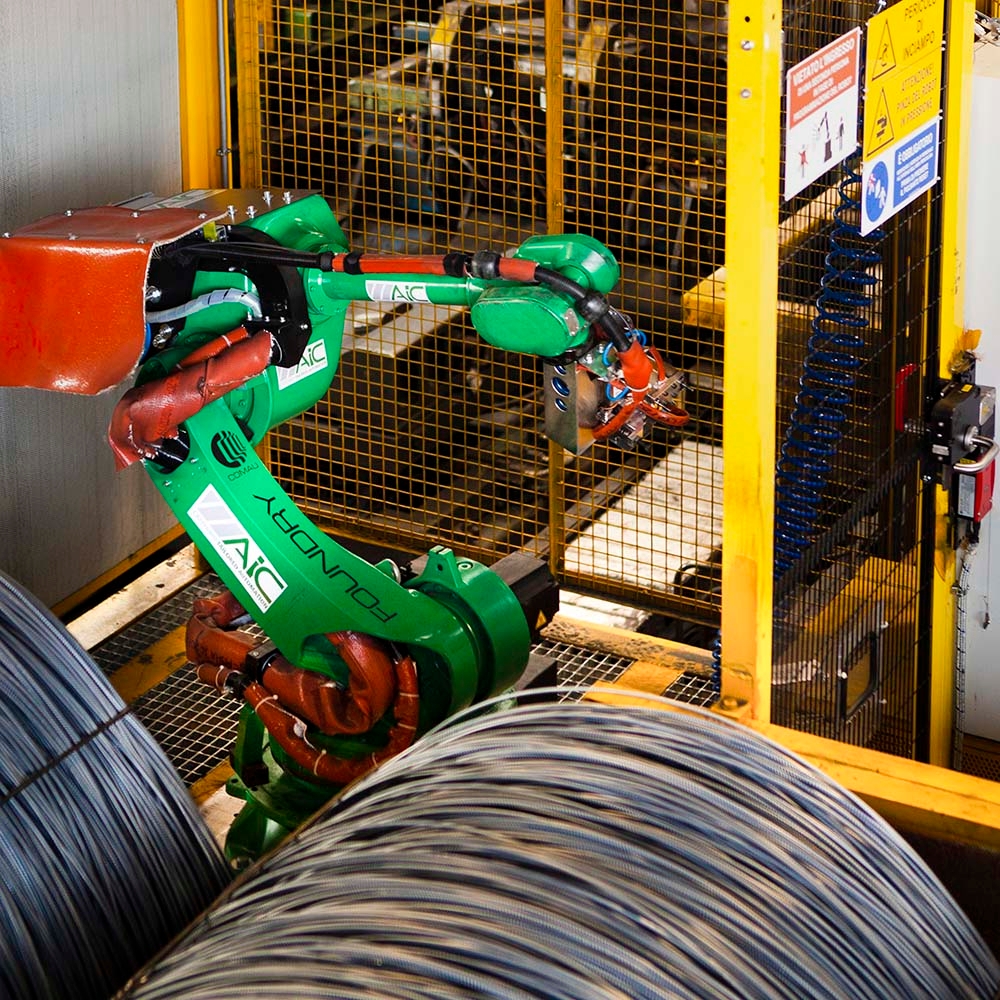
In the demanding environment of steel production and processing, automation plays an important role in certain tasks, which are often performed by robots. Industrial robots can handle large and heavy components and speed up processes, although there are instances where personnel may need to access the areas where they operate.
Unrestricted or unauthorised access exposes operators to crushing and impact hazards, potentially leading to severe or fatal injuries. To mitigate these hazards, safeguarding solutions like interlocked guards are essential. Operators should only enter the safeguarded space once the hazards have reached a safe state.
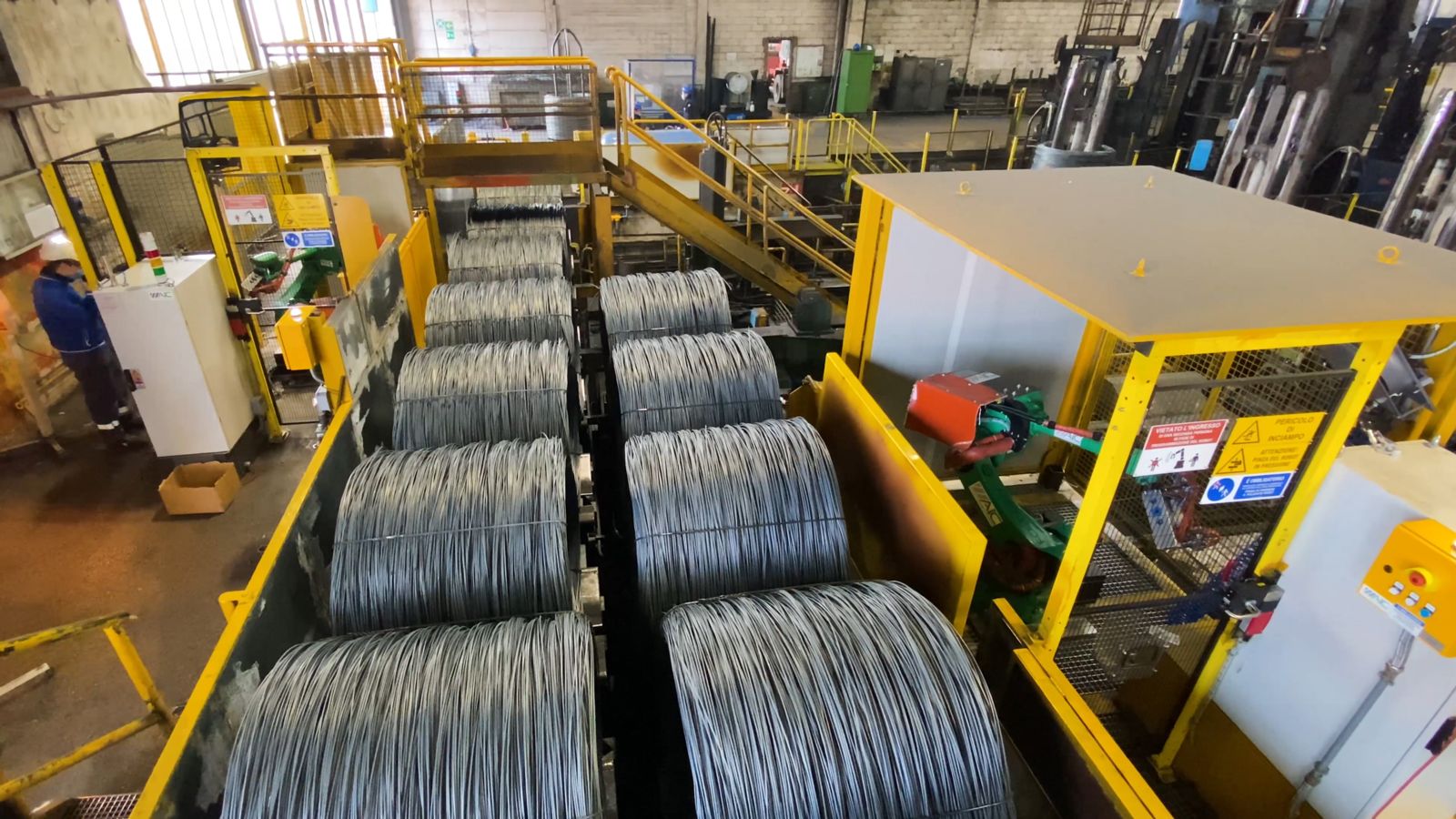
Automazioni Industriali Capitanio (AIC) – a provider of automation systems and mechatronic solutions for the steel industry – has partnered with Fortress Safety to help protect operators during the tagging of semi-finished or finished metal products (e.g., bars and coils) when access to the machines is required. Read the full story.
The Evolution from Hardwired to Networked Solutions
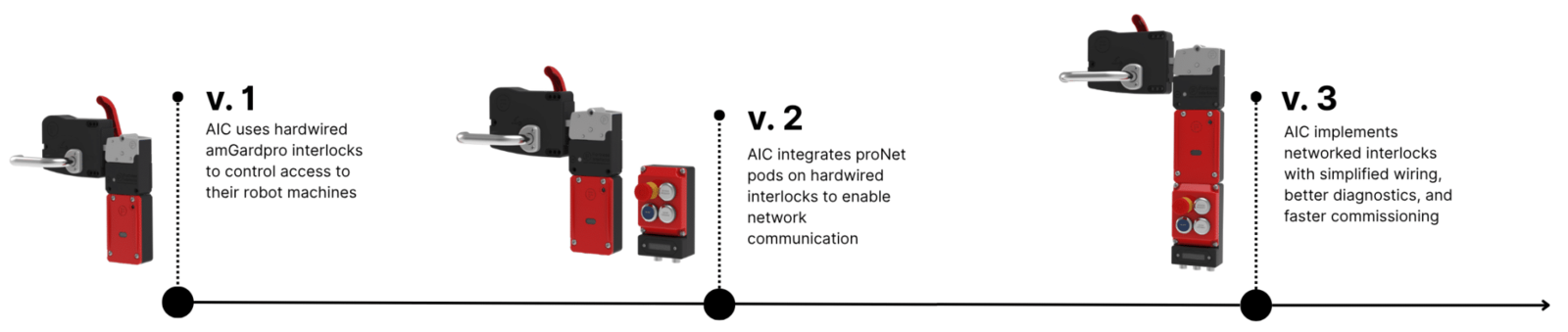
Supported by LAS (Fortress Safety’s Channel Partner for the Italian market), AIC has been using amGardpro products from Fortress to control access to their robot machines for over a decade. Engineered for robustness and certified for use in applications up to PLe, the amGardpro range is ideally suited to the demanding conditions of the steel industry. Watch the video.
In a typical configuration within AIC’s tagging applications, access to the areas containing the robot is allowed only after it has reached a controlled stop. The process involves halting the robot’s activity after its cycle is complete and confirming the safety status before access is permitted. The interlock’s solenoid locking mechanism holds the movable guard in a locked state. When required, operators can request to enter, and once the robot is in a safe state, the interlock is unlocked, allowing access to the cell.
Don't Miss These Industry-Leading Events!
.png)


.png)
Initially relying on hardwired interlocks, AIC has progressively evolved its approach and started to integrate networked solutions that communicate with PROFINET and EtherNet/IP protocols. There has been significant benefits to the shift made to networked interlocks.
- Simplified wiring
- Better diagnostics
- Faster commissioning
These all come without compromising on the robustness required in steel plant environments.
AIC also chooses to integrate additional features into the interlocks, such as pushbuttons, emergency stops, and escape releases to allow operators to exit in case they inadvertently become trapped inside. With the help of amGardpro, AIC now safeguards multiple robot applications installed across the world.
Meeting the Safety Needs of an Evolving Industry
As automation utilising robots becomes more advanced and widespread, there is a need for robust and flexible solutions to help keep operators safe. Through the adoption of networked interlocks from Fortress, it is possible to achieve improved safety, faster commissioning, and simplified maintenance.
These solutions show how advanced access control technology can meet the growing safety demands of heavy industries, protecting operators without compromising productivity.
To find out more about this case study, click here.


Leave a Reply