


Embedded Computers: How Rugged is Rugged Enough?

In the world of embedded computers, there’s a fine line that separates rugged systems from industrial-grade systems.
While every rugged computer can be classified as industrial, not all industrial computers are considered rugged. The distinguishing factor between these two categories lies in the added design features of rugged systems that enhance their reliability and functionality under extreme conditions.
The Industrial vs. The Rugged Industrial
Industrial embedded computers and rugged computers have unique attributes that make each suitable for specific applications and deployment scenarios. Industrial embedded computers excel in controlled industrial environments. They seamlessly integrate with existing systems and processes, ensuring smooth operation.
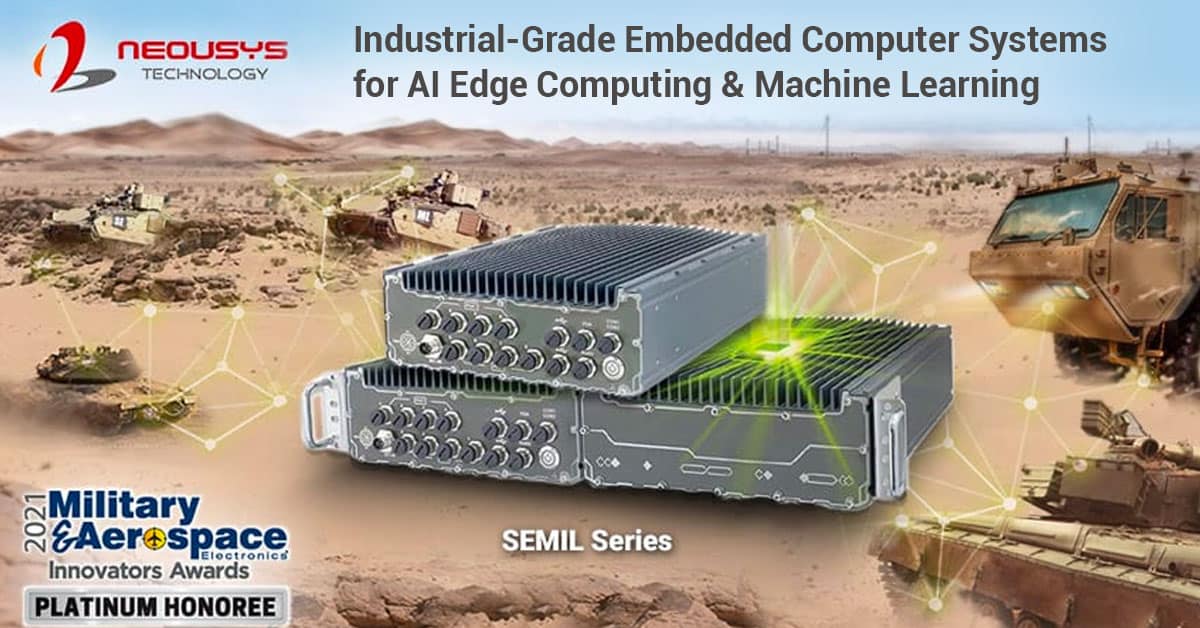
On the contrary, rugged PCs are designed to endure the harshest conditions, making them an excellent choice for in-vehicle, military, or outdoor field applications where environmental challenges are the norm.
Factors Influencing the Choice
The selection between these two types of computers requires careful consideration of various aspects such as robustness, connectivity, power, cost, and deployment objectives.
Robustness
The robustness of a system refers to its ability to withstand and operate effectively under harsh conditions. Rugged industrial computers are known for their superior robustness, capable of functioning in extremely harsh conditions where standard computers would fail.
Connectivity
As embedded systems are often part of larger systems, connectivity is a crucial aspect. Both industrial and rugged systems offer different connectivity options, catering to diverse application needs.
Power
Raw processing power is another important factor. Depending on the application, you may require a system with high processing power and memory capacity that you’ll find in a rugged system, but may not always be found in a standard industrial computer.
Cost
As always, cost plays a significant role. While rugged systems might come with a higher upfront cost, they often prove to be more cost-effective in the long run due to their durability and longevity.
Deployment Goals
Lastly, your deployment objectives will significantly influence your choice. Whether you need a system for controlled industrial settings or for challenging outdoor applications, your goals will direct your decision-making process.
Understanding the Operating Environment
Before selecting an embedded computer, it’s crucial to understand the operating environment in which it will be deployed.
Performance Requirements
First, determine the performance requirements of your application. This involves analyzing the specific tasks and functions that the computer will need to perform.
Evaluating the processing power, memory capacity, and storage capabilities required to handle the workload efficiently will ensure that the computer can meet the demands of your application without any performance bottlenecks.
Certified System Integrator Program
Set Yourself at the Forefront of the Global Vision Market
.jpg) Vision system integrators certified by A3 are acknowledged globally throughout the industry as an elite group of accomplished, highly skilled and trusted professionals. You’ll be able to leverage your certification to enhance your competitiveness and expand your opportunities.
Vision system integrators certified by A3 are acknowledged globally throughout the industry as an elite group of accomplished, highly skilled and trusted professionals. You’ll be able to leverage your certification to enhance your competitiveness and expand your opportunities.
Environmental Conditions
Next, consider the environmental conditions that the embedded computer will be exposed to. Rugged computers are often subject to harsh conditions such as extreme temperatures, humidity, dust, and vibrations.
Assessing these environmental conditions will help you choose a system that can endure the rigors of your operational environment.
Extreme Temperatures
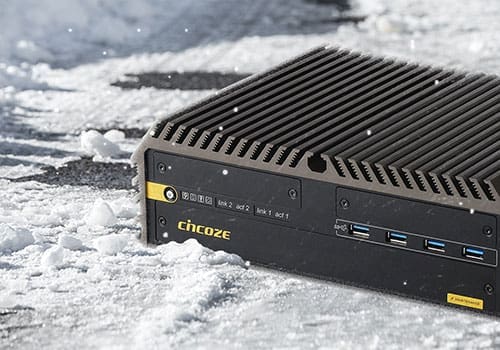
Industrial PCs can operate under extreme temperatures, both hot and cold. But just how hot and how cold will influence how rugged the computer should be for your environment. Keep in mind – you may regularly operate between a certain temperature range, but a cold start in the morning hours outside might require an added level of ruggedness, or temperature specifications. Temperature is a critical factor when deploying systems in environments with significant temperature variations.
Shock and Vibration
Some level of shock and vibration is standard in many industrial environments. High levels of significant shock and vibration would require rugged systems that are designed to withstand these conditions without compromising performance.
Dust and Moisture
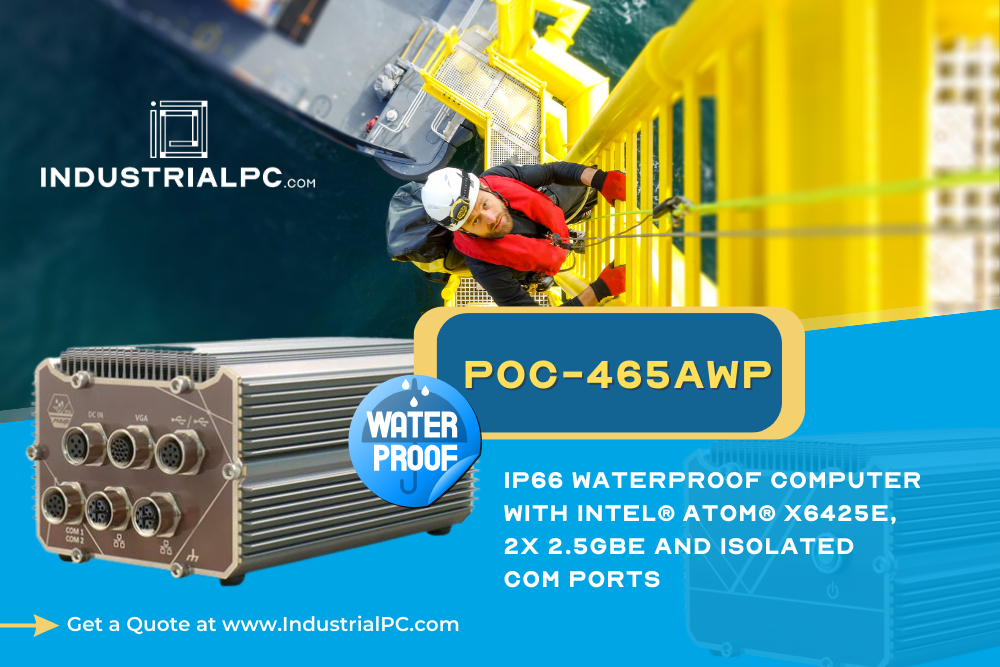
Dust, particulates, and moisture can severely affect the performance of standard computers. Rugged industrial computers, however, are built to resist these elements, ensuring reliable operation.
Power Disturbances
Lastly, power disturbances can cause significant operational issues. Rugged systems are designed with advanced power management features to handle such disturbances.


Leave a Reply