


Ethical and Societal Implications of Advanced Automation and Robotics
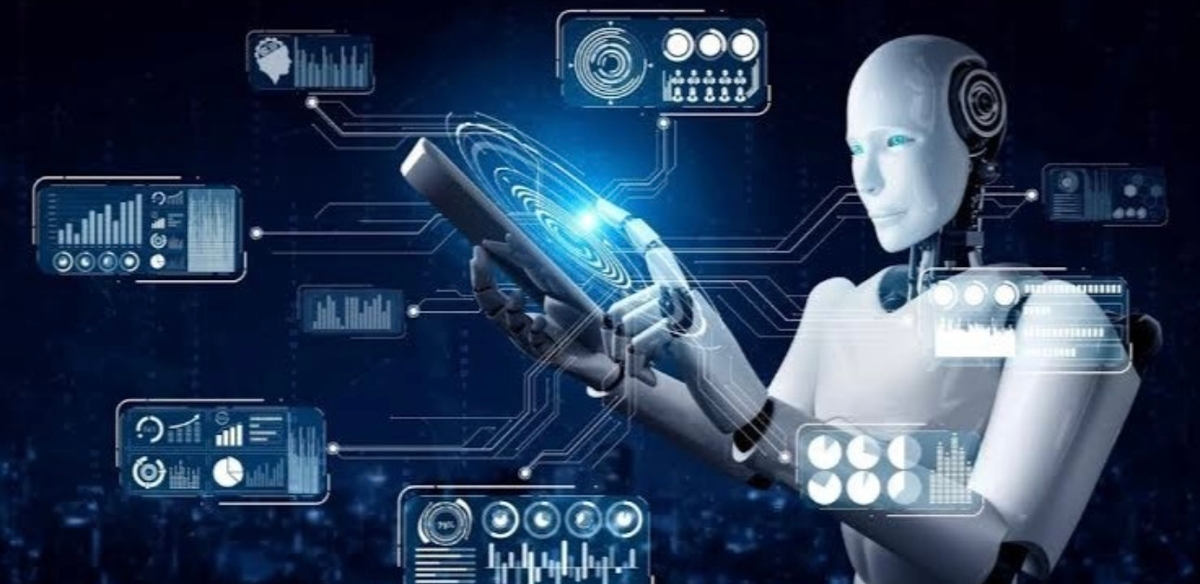
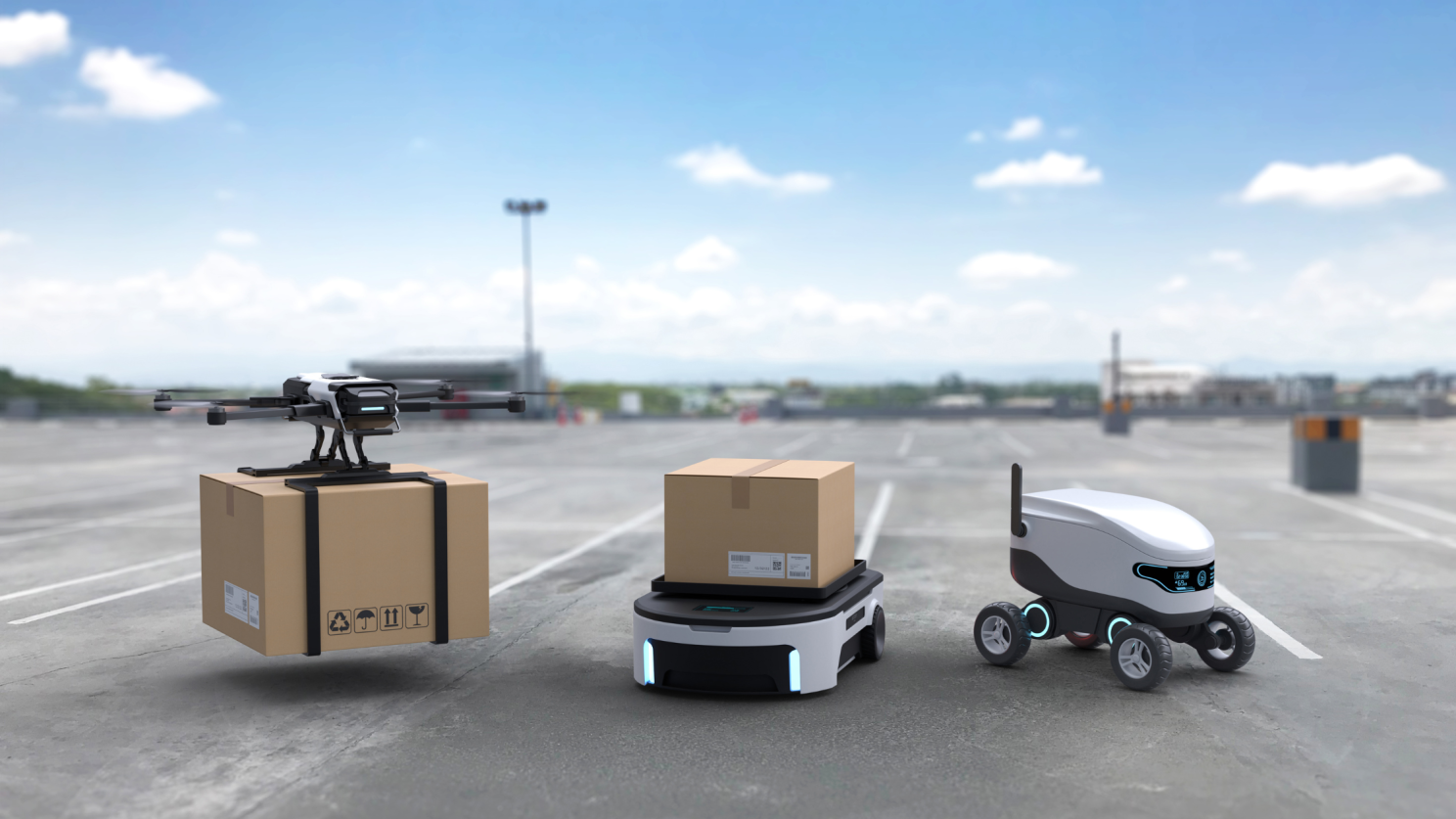
We are on the verge of a revolutionary period. AI-enabled, machine learning-enhanced robots are finding a place in every sector of the society, be it factories and warehouses, or hospitals, elderly nursing homes, and even in the streets.
And it is a great responsibility that such power entails: How can we make sure that these technologies would not harm humanity?
This article will take you on a tour of the advantages, disadvantages, and future directions of automation and robotics not only with a current look but also with a look at the developments of 2025.
The Promise: Automation is Progress
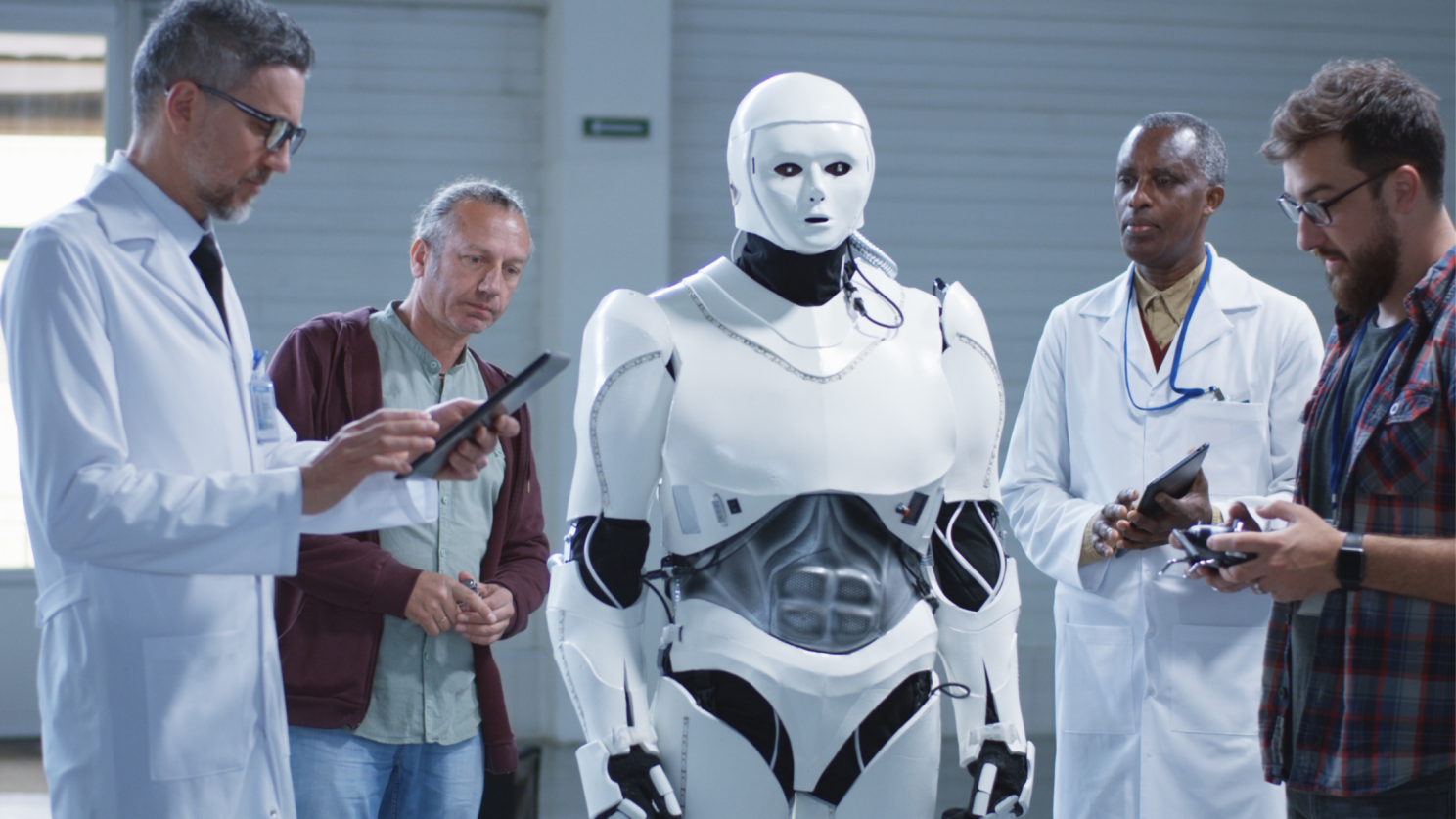
I. Increasing Care and Well-Being
Social robots such as Paro and Lovot are already being deployed in eldercare to alleviate the loneliness, depression, and anxiety of aging individuals in long-term care.
Unfortunately, the programming of these beings is heartwarming, yet introduces new ethical dilemmas concerning consent and dignity.
II. Greater Efficiency and Safety
We are already witnessing robots fulfilling physically heavy or unsafe tasks, such as picking heavy items at warehouses or performing repetitive tasks in a manufacturing environment. The new reports suggest that such systems increase productivity and may decrease injuries.
AI-powered robots can be found in retail shops, museums, and other places of the public and help clean up, cook, and interact with people as a so-called tipping point of robotics in 2025.
Ethical Considerations: When Machines Are Beyond Mere Tools
I. Economic Inequality and Job Displacement
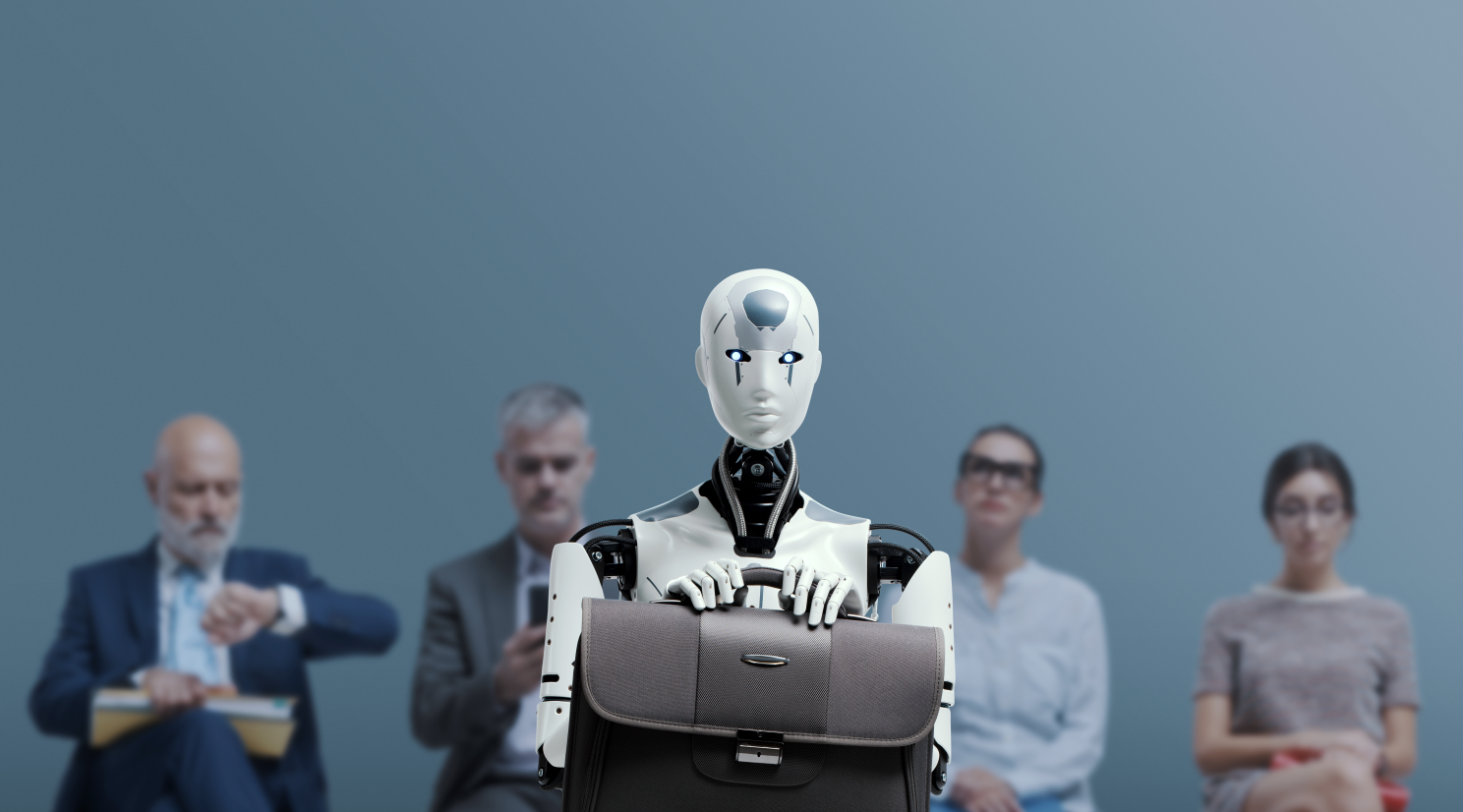
One of the most serious concerns: robotics will take away many jobs. Professionals believe that as many as 800 million jobs around the world can disappear by 2030 unless people are retrained and assisted. There is a risk that economic inequality will aggravate when benefits are only enjoyed by the owners of capital.
II. Independence, Responsibility, and Prejudice
As robots make more and more autonomous judgments (in hiring, policing, healthcare), ethical concerns blow up: how can we be sure that the logic of algorithms is fair and transparent? What happens in case the autonomous system makes a mistake? Who is to blame the manufacturer, programmer, or the organization that deploys it?
III. Privacy and security threats

Camera-sensor-connected robots have the ability to gather immense volumes of data. There are risks of surveillance, misuse of the information that is considered to be personal, and even cyber-attacks on the robotic systems themselves.
IV. Mental and Social Effect in Offices
A surprising consequence of the research is that collaborating with robots may lower job satisfaction, autonomy, and meaning, although it may lower physical effort. Employees complain of being micromanaged and isolated at facilities that have lots of robots.
V. Social Robots Ethics
Robots that are programmed to replicate companionship particularly in the areas of healthcare and eldercare bring up thorny ethical concerns of infantilization, the absence of an actual consent, and the threat of technology replacing human caretaking.
VI. Autonomous Weapons: The Killer Robots Debate
Lethal autonomous weapons (LAWS) are a source of heated discussion on the international level. Critics state that human dignity is abused by these systems in as far as they eliminate human supervision. International humanitarian law demands banning or stringent regulation of use, and many nations, as well as global advocacy groups, demand such a ban.
Societal Shifts: Breaking Out of the Workplace
I. Global Divide and Economic Stratification

AI-powered robotics is more likely to increase social inequalities, especially in low-and middle-income countries that might be slower to access or worse affected by uneven adoption to the loss of jobs.
II. Perceptions of Culture and Trust
Trust is the key to its acceptance by the population. Open language, universal dialogue, and culturally considerate adoption is essential particularly across the multi-cultural environments of the world.
III. Ethical and Spiritual Views
Religious leaders are taking sides. As an example, the Ecumenical Patriarch Bartholomew has spoken of an impending robotocracy, and that technological innovation should not be severed and alienated in relation to wisdom and human dignity.
Emerging Reactions and Regulations

I. International and National Guidelines
In July 2025, China released a new ethical code of autonomous driving technology, which requires clear algorithms, data restrictions, and liability division.
The G7 nations have approved voluntary recommendations on risk-aware, transparent AI throughout the lifecycle-risk assessment to incident reporting.
II. Scholarly and Legislative Work
The Foundation for Responsible Robotics is still advocating ethical design, responsibility, and community participation in the development of robots.
The latest IEEE RAM special issue covers robot standards and user-centred legal design of robots, which is a step towards safer deployment.
Ethical Innovation Strategies
I. Explainability and Transparency
Make the AI explainable and logic paths visible to design robots that are trusted, particularly in areas such as healthcare.
II. Inclusive, Human-Centered Design
In facilities such as eldercare, decision-makers should not neglect the marginalized groups, engage caregivers, and consider the autonomy of residents.
III. Reskilling and Participatory Deployment of Workforce
The most effective way of robotic integration is by co-designing automation by workers, and by providing them with retraining to adapt to the new jobs.
IV. Strong Regulation and Liability System
Domestically and internationally, they require clear legal frameworks in terms of apportioning responsibility, requiring safety testing and eliminating abuse.
V. Ethical Literacy and Awareness to the Public
The societies should promote a discussion of values, possible effects and entitlements in the era of automation, not just addressing citizens as the cogs in the technology machine.
Real-world Scenarios: Ethical Tensions in the Making
I. Eldercare Settings
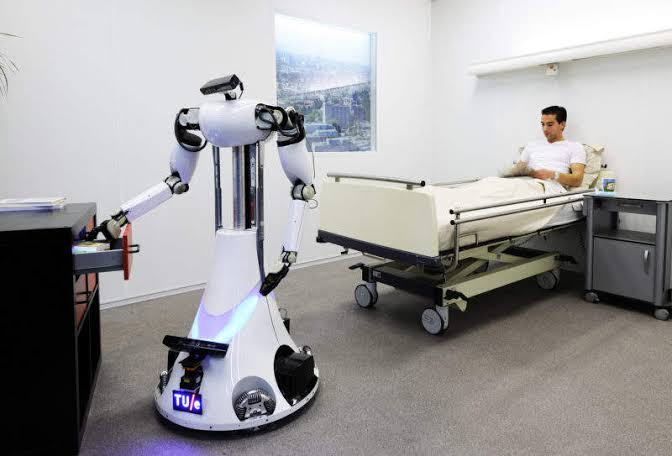
Take, for example, Paro and Lovot robots helping people with dementia. They are said to alleviate loneliness, but opponents claim that they pose the threat of supplanting human caregivers and stripping the residents of their dignity unless consent and autonomy are strictly upheld.
II. Warehouse and Industrial Environments
Employees in Amazon warehouses with large numbers of robots find themselves working more quickly but feel deskilled, stressed, and have little meaningful control-so some are trying to find places to work with fewer robots.
III. Autonomous Vehicles
The Chinese ethical code indicates the increasing international vision: AI systems should be secure, transparent, and human-accountable, particularly, in the case of human drivers sharing control with cars.
What is Ahead: Ethical Navigation of the Future
The future of automation and robotics is not a utopian or dystopian one, but a wakeup call to make conscious decisions, and accept responsibility as a society.
Some of the important pillars are:
- Interdisciplinary involvement, which is an integration of engineering, ethics, law, and social sciences;
- Powerful public-private cooperation in designing regulation, as was promoted in early analogies to the automobile era.
- The international acceptance of international standards, such as G7 principles, to maintain uniformity and safety across the borders.
- Integrating human dignity, equity, and transparency into the current development of robotics.
Conclusion: Creating a Human Centric Robotic Future
The highest level of robotics can provide radical advantages: more secure workplaces, better care, and an increase in the productivity of society. Nevertheless, ethical and social issues, such as the disruption of employment and algorithmic bias, psychological stress and the loss of human agency, should not be overlooked. Automation can be utilized in the best way by focusing on transparency, inclusivity, regulation, and engagement with the people. The important thing is to be far-sighted, to communicate, to share responsibility With the cooperation of policymakers, technologists, and communities, we can still create a robotic future that will be a boon to humanity-not its replacement.


Leave a Reply