

Practical Ways Engineers Are Reducing Carbon Footprints on Job Sites
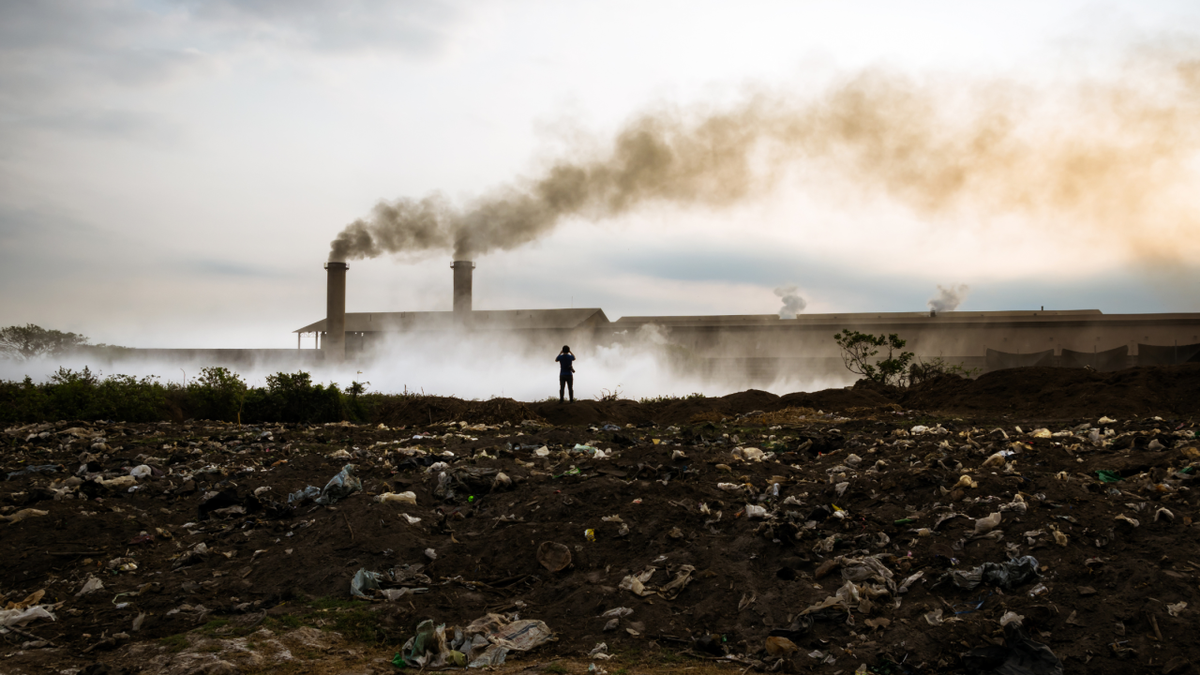
In the age of global warming, construction engineers are under pressure to construct sustainably. The heavy machinery, material use, transport, and energy use all cause a huge carbon emission in job sites.
Engineers are not just designing buildings, but they are also developing processes, workflows, and systems in a way to reduce environmental impact.
This article presents pragmatic approaches to minimize carbon emissions on construction sites, both on construction design and operations. It is intended to enlighten and motivate the engineers, project managers and stakeholders with tangible actions and latest developments.
The following are established and emerging technologies that the construction and engineering projects adopt in order to reduce carbon emission. They are classified as design and materials, operations and machinery as well as planning and monitoring.
1. Design & Materials: Tackle Embodied Carbon Early
Embodied carbon includes all the emissions associated with building materials, both during extraction and manufacture and disposal. Much of this carbon is locked up when a building is complete.
Here are some design and materials strategies:
- Optimize Low-carbon Material: Mass timber, recycled steel or concrete mixes with Supplementary Cementitious Materials (SCMs) like fly ash or slag reduce emissions in comparison to normal concrete or virgin steel.
- Blended or Alternative Cement: Cement is made less carbon intensive by replacing a percentage of cement with SCM or highly developed mixes.
- Maximize Structural Design: Do not over-design; eliminate waste of material. Install composite materials of wood and steel. Use parametric modelling to screen the numerous options in the beginning and pick the ones that have a lower embodied carbon.
- Reuse, Recycle, Salvage Materials: Reused concrete, brick and metal save on emissions. Recycle demolition waste, or use the salvaged parts, and place an order more precisely to reduce waste.
- Adaptive Reuse And Retrofits: Existing buildings will save the carbon needed to make new materials and demolish them.

2. Operations and Machinery: Carbon Reduction in everyday Site Operations
The best materials and designs can result in high emissions simply because a site can be run inefficiently. The major ones are machinery, fuel, equipment and workforce practices.
- Alternative or Cleaner Fuels: Replace the normal diesel with bio-diesel, HVO (hydrotreated vegetable oil) and lower-carbon fuels. Swaps of partial electrification and fuel even reduce emissions.
- Electric or Hybrid Equipment: Electric or hybrid equipment, such as excavators, cranes, site vehicles, etc., should be used wherever possible. Oslo requires electric construction machinery on most of the municipal projects.
- Efficiency Training of Operators: Educate the operators not to idle, accelerate quickly, and load equipment properly and to travel less than they need to. Improved site plans minimize the travelling distances.
- Extending the Life of Equipment And Maintenance: This is achieved through regular service, remanufacturing, and refurbishment that ensure efficiency of the machinery. Replace entire vehicles with attachments or upgrades to reduce material and manufacturing emissions.
3. Planning, Monitoring & Process: Systems That Make Redutions Stick
The greatest returns would be realized when projects are run carbon consciously at the beginning of the project, incorporating it into the planning processes, procurements, and monitoring.
- Establish And Calculate Baselines: early use of Life Cycle Assessment (LCA), Environmental Product Declaration (EPDs) and similar tools to determine embodied and operational carbon.
- Low-carbon Supplier Procurement Policies: Requirement of materials with EPDs, selection of suppliers who have limited transport emissions and preference to lower-carbon production processes.
- Prefabrication, Modular Construction, and Off-site Manufacturing: Build elements in controlled settings to minimize waste and enhance material efficiency. On-site transport and rework is also reduced through off-site work.
- Improve Site Layout And Logistics: Reduce the transport distance, simplify material flow, eliminate double-handling, and stage materials to reduce consumption of fuel.
- Use Of Data, Modelling And Simulation: Use of simulation tools, telematics and sensor network to locate hotspots of emissions. Change designs or schedules on-the-fly to sustain improvements in a project.

4. Emerging and Policy-based Strategies
In addition to single projects, larger tools, rules, and innovations raise the carbon reduction level.
- Rules And Requirements: Cities and Governments are making rules that the equipment to be used in public construction should be zero-emission and that the carbon embodied should be disclosed. Oslo is leading the way: Since January 2025, numerous municipal construction processes will require little fossil fuels.
- Carbon Pricing, Incentives And Buy Clean policies: These policies coerce manufacturers and suppliers to reduce emissions by requiring them to be transparent with regards to carbon intensity.
- New Materials And Technologies: New cements, CO 2 -sequestrating additives, mineralized CO 2 in concrete, and novel bio-based materials are developed. They are yet to scale but they promise.
- Thinking Life Cycle: Design The whole system, taking into account transport, energy lifetime, flexibility, and end-of-life cases. Collaboration between architects, engineers, contractors and supply chains as early as possible maximizes the impact.
CASE EXAMPLES & IMPACT

Get the Training You Need for a Safer Workplace!
Autonomous mobile robots are one of the fastest-growing segments of the robotics industry. During this live virtual training, you'll be introduced to safety protocols and best practices for working with mobile robots in industrial settings.
Learn more and register now for upcoming training dates.
Related Posts

DEVELOP LLC Joins TLMI to Bring End-of-Line Automation Expertise to the Label Industry
DEVELOP LLC Joins TLMI to Bring End-of-Line Automation Expertise to the Label Industry FANUC Authorized…

The Emerging Direction of ISO/IEC TS 22440
This excerpt was originally published as part of a full article on the SRES website. Introduction…
Mainstay Digital Announces Mainstay One 3D Digital Asset Program for Automation OEMs
Plano, TX, September 29, 2026 Mainstay Digital, an industrial product visualization studio specializing in complex…
Leave a Reply