

The Convergence of AI, IoT, and Robotics in Smart Factories

The Convergence of AI, IoT, and Robotics in Smart Factories
The manufacturing world is radically transforming, ushered in by what is now known as Industry 4.0, the Fourth Industrial Revolution. Unlike previous revolutions centring on mechanisation, velectrification, and automation, Industry 4.0 is characterised by the fusion of digital technologies into every aspect of production. This new era emphasises smart connectivity, seamless data exchange, and intelligent automation, reshaping how goods are designed, produced, and delivered. At the heart of Industry 4.0 is the conversion of traditional production sites into smart factories, which are highly developed, networked spaces where people, machines, and systems work together in real time. The combination of cutting-edge technology like robotics, artificial intelligence (AI), and the Internet of Things (IoT) powers these intelligent factories. When combined, they allow for manufacturing processes that are not only more accurate and efficient but also more flexible enough to respond to changing needs, unforeseen setbacks, and ongoing innovation. IoT devices serve as the nervous system of the smart factory, collecting real-time data from machinery, tools, and processes. AI is the brain, analysing this data to optimise workflows, forecast maintenance needs, and enhance quality control. Robotics serves as the hands, executing complex and repetitive tasks with speed, precision, and increasing levels of autonomy. When combined, these technologies enable factories to not only respond to challenges as they arise but to anticipate them before they occur.
Importance of Integrating AI, IoT, and Robotics to Meet Modern Manufacturing Demands
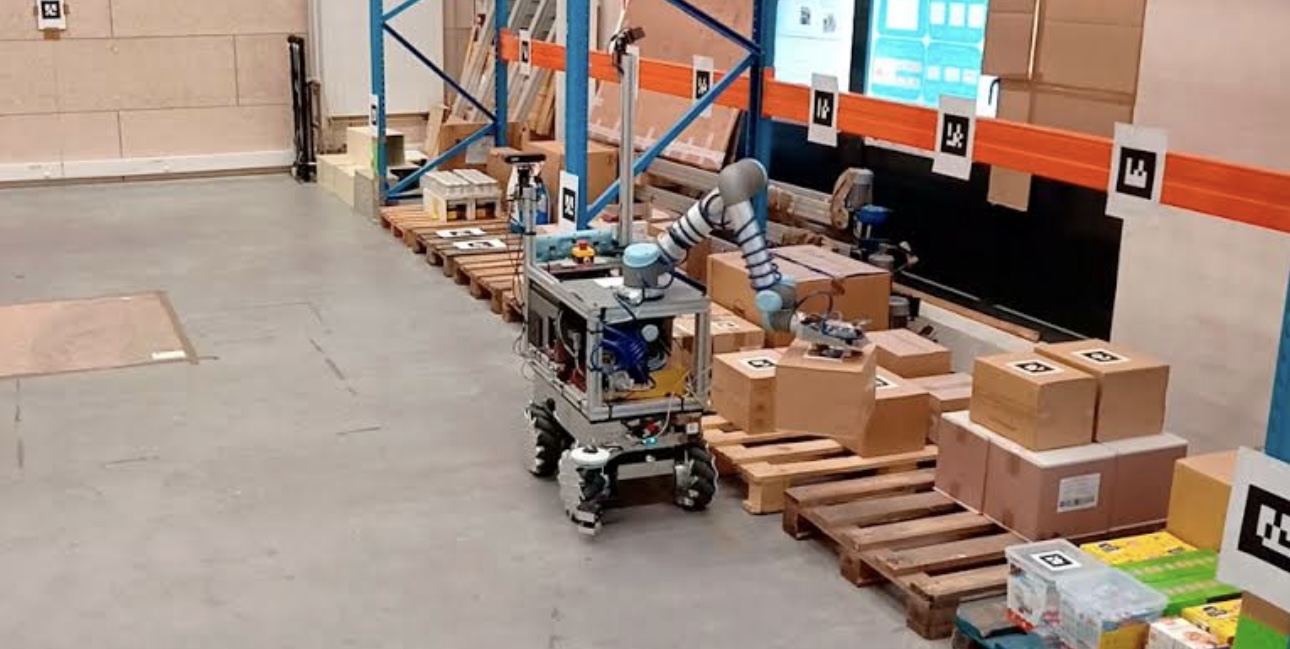
The integration of AI, IoT, and robotics is essential to address the evolving challenges and opportunities in modern manufacturing, including:
● Increasing Efficiency: Robots do precise, repetitive jobs, while IoT devices gather real-time data from machines. AI then analyses this data to forecast failures and improve operations, all of which reduce downtime and increase productivity. AI steps in to interpret this data and identify issues before they escalate into delays. AI can suggest maintenance in advance if a machine exhibits wear, for instance. Simultaneously, robots fast and accurately do repetitive, precise operations, decreasing the need for human intervention and the possibility of expensive mistakes.
● Enabling Customisation: Modern consumers expect tailored products. Smart factories adapt quickly, IoT tracks changes, AI recalibrates production, and robots switch tasks efficiently, allowing mass customisation without delays. This means companies can switch from producing one product type to another without missing a beat, staying competitive in a fast-moving market.
● Promoting Sustainability: With growing environmental concerns, manufacturers use IoT to monitor resource use, AI to optimise energy consumption, and robots to reduce material waste, helping achieve greener operations. Robotics contributes by using materials more precisely and consistently. The result is a factory that is not only productive but also environmentally responsible.
Understanding the Core Technologies
Core Technologies Behind Smart Factories are:
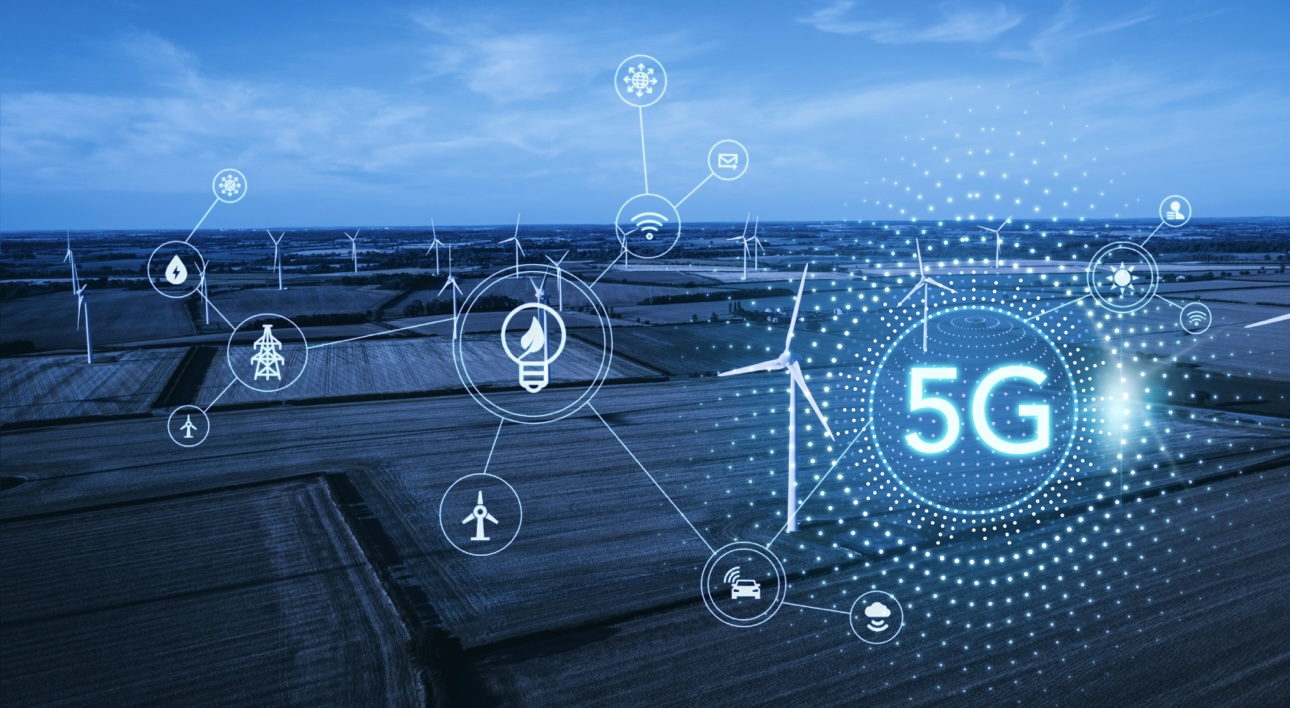
1. Internet of Things (IoT):
IoT connects machines and devices in a factory to collect real-time data through smart sensors. Reliable networks like 5G and cloud computing enable quick data analysis and decision-making, improving monitoring, maintenance, and resource management.
2. Artificial Intelligence (AI):
AI analyses the vast data from IoT systems, using machine learning and predictive analytics to forecast issues, optimise production schedules, and enhance quality control. It enables real-time decisions and continuous process improvement.
3. Robotics:
Modern robots, including collaborative ones (cobots), perform complex tasks with high precision. Equipped with AI and vision systems, they inspect products, assist workers, and operate autonomously, boosting efficiency, safety, and adaptability. IoT, AI, and robotics form the backbone of smart factories, enabling intelligent automation, real-time control, and a responsive, efficient manufacturing environment.
Synergy in Smart Factories: How IoT, AI, and Robotics Work Together
In the heart of today’s smart factories lies a powerful trio: IoT, AI, and robotics. Their integration isn’t just about using advanced tech, it’s about creating a connected, intelligent system that learns, adapts, and responds in real-time.1. IoT: The Nervous System of the Factory The Internet of Things (IoT) serves as the foundation, constantly collecting real-time data from machines, production lines, and the environment. Think of IoT as the nervous system, feeding vital information that powers both AI decisions and robotic actions. Without it, AI and robotics would be blind and unable to respond intelligently to what’s happening on the factory floor.
2. AI: Turning Data into Smart Decisions
AI steps in to make sense of all the data flowing from IoT devices. It predicts when machines might fail (so they can be fixed before causing problems), watches for quality issues in production, and helps streamline supply chains by anticipating demand and minimising delays. In short, AI transforms raw data into smart, timely decisions that keep operations running smoothly.
3. Robotics: Acting with Precision and Flexibility
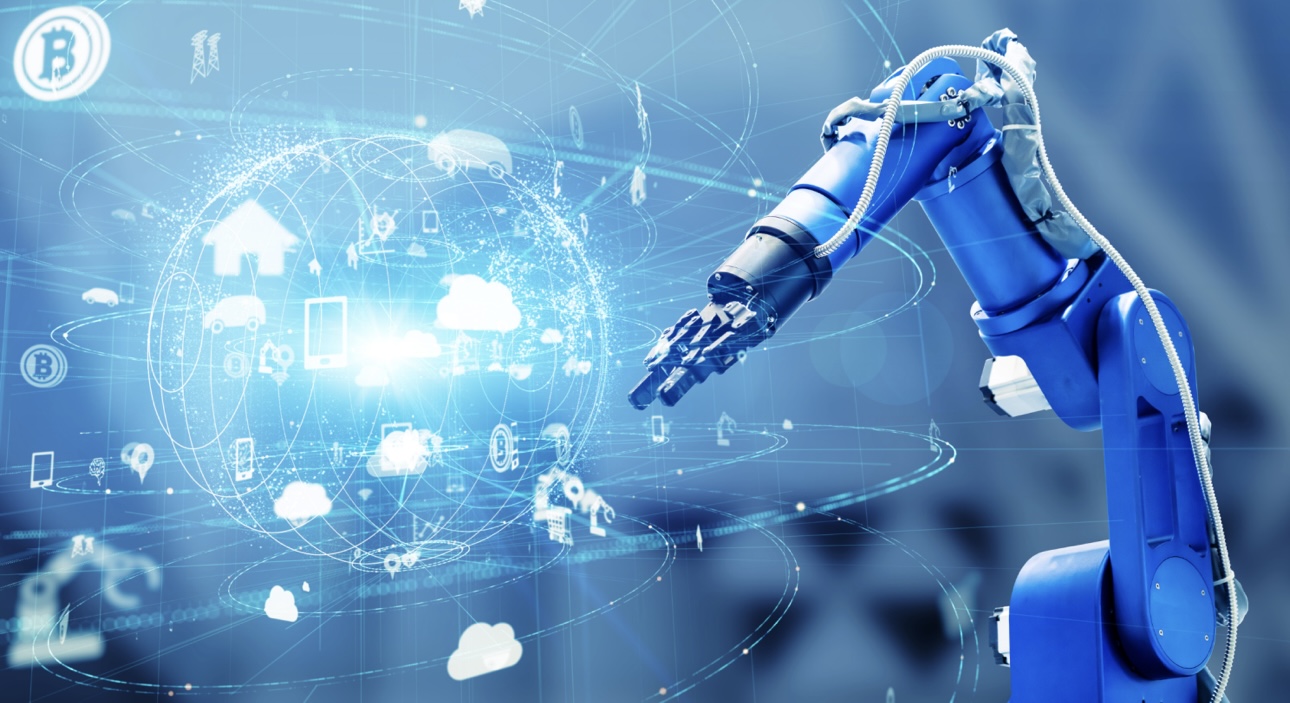
Robots bring these decisions to life. Fueled by AI insights and IoT data, they can adjust in real time, changing how they move, what they do, or how they interact with people on the floor. Modern robots don’t just follow rigid programs; they adapt, self-correct, and even collaborate safely with humans to boost productivity and ensure safety.
Smart Manufacturing in Action: Real-World Benefits of AI, IoT, and Robotics
The real power of integrating AI, IoT, and robotics in modern factories shows in how they improve everyday manufacturing tasks. Let’s explore how this synergy brings practical, high-impact benefits:
1. Predictive Maintenance: Fixing Problems Before They Happen
Thanks to sensors that track things like heat, vibrations, or pressure, machines can “tell” when something’s going wrong. AI reads this data and predicts when a part might wear out, giving the factory time to fix it before it breaks. This avoids unexpected shutdowns, cuts repair costs, and keeps production running smoothly.
2. Quality Control: Spotting Flaws with Machine Precision
Instead of relying on the human eye, factories now use cameras and smart robots to inspect products. AI looks at images in real time, instantly identifying anything that doesn’t meet quality standards. Defective items are automatically removed or flagged for fixing, helping factories maintain high standards with fewer errors and less waste.
3. Smarter Supply Chains: Real-Time Adjustments, Fewer Delays
With connected devices tracking everything, from inventory to delivery trucks, manufacturers get a clear, real-time view of their entire operation. AI uses this data to plan better: adjusting production, managing stock levels, and helping robots respond to shifts in demand or delays. This means faster deliveries, less waste, and better customer satisfaction.
4. Cobots: Humans and Robots Working Side by Side
Collaborative robots, or cobots, are designed to work safely with people. They have sensors that detect human movement and adjust their actions to avoid accidents. They’re ideal for tasks that are repetitive or physically tough, giving human workers the chance to focus on more skilled jobs, improving both safety and productivity.
5. Energy Efficiency: Smarter Use of Power and Resources
With IoT devices tracking power and material usage in real time, factories can quickly spot waste. AI then steps in with suggestions, like adjusting machine schedules or turning off idle equipment, to help save energy and reduce environmental impact. This not only cuts costs but also supports eco-friendly practices.
Facing the Hurdles: What Manufacturers Must Consider When Going Smart

While smart factories offer many benefits, making the switch isn't always easy. There are a few big challenges manufacturers must prepare for:
1. High Upfront Costs and Complex Setup
Building a smart factory doesn’t come cheap. From buying IoT sensors and robots to setting up AI systems and fast internet connections, the initial cost is significant. But it’s not just about the money, getting all the systems to work together can be tricky, especially when mixing new tech with older machines. Companies need a solid plan and expert help to make everything run smoothly and to see a return on their investment over time.
2. Cybersecurity Risks in a Connected World
As factories connect more devices and systems online, the risk of cyberattacks grows. Hackers could steal data, shut down operations, or access sensitive designs. To stay safe, companies must use strong passwords, keep software updated, encrypt data, and monitor systems regularly. They also need to follow rules about how data is collected and shared, protecting both their information and their reputation.
3. Finding the Right TalentRunning a smart factory means working with complex systems, and that takes skilled workers.
Unfortunately, there’s a growing gap between the tech and the people who know how to use it. Many factories struggle to find employees who understand AI, robotics, cybersecurity, or advanced data systems. To fix this, companies need to train their teams, hire tech-savvy staff,and partner with schools to develop the next generation of workers.
The Bottom Line
Constructing a smart factory is a daring decision that comes with difficulties, just like any big change. However, manufacturers can overcome these challenges and build factories that are not only smart but also safe, effective, and future-ready with careful planning, strong security measures, and the appropriate people on board.
Looking Ahead: What Smart Factories Can Expect in the Future

Smart factories are getting more advanced as technology develops further. The following significant developments are set to influence the next phase of manufacturing:
1. Edge Computing for Faster Decisions Instead of sending data to the cloud, factories are now turning to edge computing, a setup where data is processed right at the machines. This means faster decisions, fewer delays, and smoother operations. For example, a robot can instantly react to a change on the production line without waiting for instructions from a distant server.
2. Smarter Robots That Learn and Adapt
Robots are getting an upgrade, not just in strength, but in brainpower. With AI-driven learning, future robots will not only perform tasks but also learn from their environment. This means they’ll be better at adjusting to new jobs, improving over time, and working safely alongside humans with minimal supervision.
3. Digital Twins for Smarter Planning
Imagine being able to test changes in a virtual version of your factory before touching a single machine. That’s what digital twins offer, a real-time, digital replica of your entire operation. They help predict problems, improve designs, and schedule maintenance before something breaks down, saving time and money.
4. Better Human-Robot TeamworkWith augmented reality (AR) and more intuitive controls, working with robots will feel more natural and less technical. Workers might wear AR glasses to see instructions or control machines with simple gestures or voice commands. This makes collaboration smoother and boosts productivity without needing deep tech knowledge.
The future of smart manufacturing isn’t just about machines, it’s about speed, intelligence, and human-friendly innovation. As these technologies mature, factories will be more agile, efficient, and ready for whatever comes next.
Conclusion
We are standing on the threshold of a manufacturing renaissance, one where machines think, systems learn, and factories no longer just produce, but evolve. The fusion of Artificial Intelligence, the Internet of Things, and robotics is not simply an upgrade; it is a transformation of industry at its core. This powerful trio is redefining how we build, customise, and deliver goods, faster, smarter, and more sustainably than ever before. From predicting machine failures before they happen, to customising products in real time, to robots that learn alongside humans, this is no longer the factory of the future, it is the factory of now. But with great power comes great responsibility. The road to smart manufacturing requires bold investment, strong cybersecurity, a skilled workforce, and the courage to rethink decades-old systems. Those who embrace this intelligent evolution will not only lead markets, they will redefine what’s possible. The smart factory isn’t just a place, it’s a mindset, a vision, and a blueprint for a more responsive, resilient, and revolutionary industrial world.


Leave a Reply