


Women Breaking Barriers in STEM

Though education and advancements in technology have made significant progress over the past decades, women continue to be a minority group in science, technology, engineering, and mathematical disciplines collectively known as STEM.
Today, women comprise over half of the total university enrollment worldwide, but only 35% of those who graduate with a degree in STEM subjects, a ratio that has remained constant for the past nine years alone. Even more alarming is the reality that only 28-33% of the total workforce with a background in STEM fields is represented by women worldwide.
This is a problem that raises a significant question about why a disparity of this proportion continues to be present in some of the most influential sectors of the world.
That can be attributed to a combination of a lack of access throughout history, stereotypes, a lack of access to mentorships, and an environment of work which is not conducive to women, but despite these challenges, women have continually pressed past these boundaries to change the face of scientific discoveries and lead the innovation revolution in the world.
This article will look into these women’s histories, identify the difficulties they continue to face, note the new initiatives which have brought progress, and offer solutions for speeding up this progress, because women in STEM fields not only break new ground but forge a new future of innovation worldwide.
Pioneering Stories: Trailblazers Transforming Global STEM
No story of women in the fields of science, technology, engineering, and mathematics ever gets told without the recognition of those who fought their way forward when the world stood in their path. Their breakthroughs stretch across decades, disciplines, and continents, forming the very foundation on which modern innovators now stand.
1. Rosalind Franklin: Unsung Hero of the Discovery of the DNA Double Helix
It was Rosalind Franklin's work in the area of X-ray crystallography that produced the famous Photo 51-the very foundation for the model of double-helix DNA. The Nobel Prize, which followed, did not include Franklin, while her precision and scientific brilliance remain an inspiration even to today's researchers. Her legacy has come to represent the way in which women's often-overlooked contributions have remained at the very heart of scientific advancement.
2. Elizabeth Blackburn: Nobel Laureate Changing the Science of Ageing
In 2009, molecular biologist Elizabeth Blackburn won the Nobel Prize for her groundbreaking discovery of telomerase, an enzyme important for understanding ageing and age-related disease. Her work opened pathways into cancer research, longevity studies, and biotechnology innovations, shaping modern medicine. Blackburn's story serves as evidence that when women gain access to high-level research spaces, the world benefits.
3. Reshma Saujani: Filling the Tech Pipeline Through Girls Who Code
Tech-related inequalities inspired Reshma Saujani to found Girls Who Code, a worldwide movement that aims at bridging the gender gap in technology careers. By 2025, it would reach millions of girls internationally by providing them with hands-on coding skills, role models, and job placements. Saujani's impact does not stop at programming alone; she is raising a generation of confident, tech-savvy women ready to disrupt the digital economy.
4. Dr Sandra Andorf: Advancing Computational Biology
Dr Sandra Andorf is an emerging leader in the field of computational biology. She is known for her pioneering work in developing algorithms, disease modelling, and the interpretation of biological data. In 2025, her studies paved the way for new predictive systems in immune disorders, underlining the incorporation of machine learning in
The study of learning and biology is shaping personalized medicine. Her role speaks to the growing influence of women at the intersection of biotech and artificial intelligence.
5. Dr Nicole Davi: Transforming Climate Science With History Hidden in Trees
Climate scientist Dr Nicole Davi has reshaped modern environmental studies through her work in dendrochronology — using tree rings to reconstruct historical climate change. Her findings are crucial to understanding modern warming patterns, guiding policymakers, and shaping adaptation strategies. As climate risks intensify, Davi’s leadership illuminates how women in environmental science are essential to the planet’s survival.
These women — spanning biology, AI, engineering, and climate research — represent only a fraction of the global wave of innovators rising in 2025. Their stories underscore a powerful narrative: diverse minds deliver diverse solutions, and women’s voices are indispensable to advancing the world’s most urgent scientific frontiers.
Persistent Challenges Slowing Progress
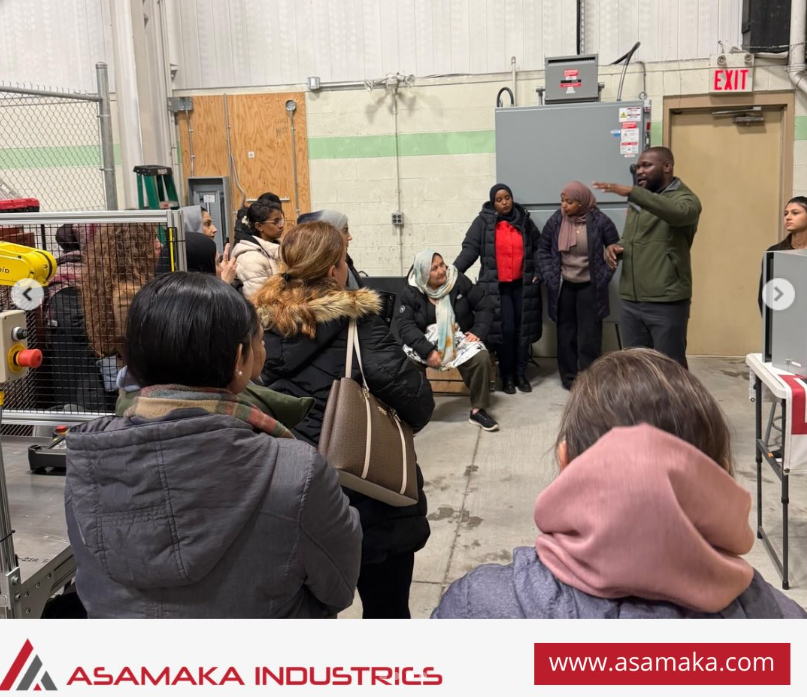
Women in STEM continue to face entrenched obstacles in seeking equal opportunities and career advancement in the long term. The challenges manifest at various levels, starting from early education to workplace structures, thus constituting a pipeline wherein women gradually encounter narrowing options as they ascend academic or professional hierarchies.
One of the most critical issues involves the workforce representation gap. In 2025, less than 33% of the research positions are held by women globally, which has remained persistently low for more than a decade. The COVID-19 pandemic further heightened this disparity, with many women within the STEM fields seeing career disruptions related to increased caregiving responsibilities and reduced research funding. The result was higher attrition rates and a wider, uneven playing field, especially within the research-intensive fields.
Educational disparities persist. New global data reveal that only 15 per cent of young women graduate in STEM fields compared with 35 per cent of young men. The reason for this disparity flows from cultural stereotypes, a lack of science resources in developing regions, and the subtle messaging that STEM careers are “male-dominated.” While some regions — parts of the Arab world, for example — report a higher share of women graduating in STEM fields, the global average has not budged in nearly ten years.
These are further exacerbated by both institutional and societal biases. The common experiences that women face are gender stereotypes, imposter syndrome, and workplace cultures that devalue their expertise. In the high-demand careers of STEM, motherhood is often an unspoken obstacle: many women report difficulty in managing heavy research or engineering demands with family pressures. These are reflected in hiring decisions, leadership positions, and even grant approvals-all remain underrepresented by women.
While progress is observable, the persistence of these structural challenges suggests that more than talent and determination will be required to achieve gender equity in STEM; systemic reform, deliberate inclusion, and sustained commitment are needed worldwide.
1. Workforce Underrepresentation
Women hold less than one-third of STEM research positions around the world. These pandemic years only served to increase the problem, as many women left or declined research positions due to caregiving responsibilities, reduced funding opportunities, and inflexible work demands. The attrition rate continues to be higher among women than men, with particular losses in early-career scientific pathways.
2. Educational Disparities
In the world today, only 15% of young women graduate in STEM-related programs, as opposed to 35% of young men. Cultural expectations also often drive early subject choices; many girls avoid mathematics, physics, and engineering because of stereotypes or a lack of encouragement.
Certified Motion Control Professional Program
Strengthen Your Skills and Enhance Your Career
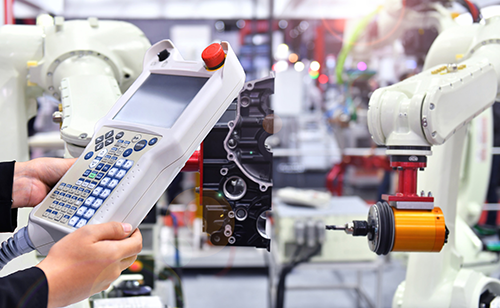
Become a Certified Motion Control Professional (CMCP) and join the elite group of system integrators, machine builders, manufacturers, end-users and others recognized in the industry for their professional knowledge and expertise.
Interestingly, a few regions in the world have a higher rate of women in university programs than in Western countries, especially in parts of the Arab states. Yet again, even with higher academic participation rates, the transition to industry is low due to limited job placement structures and socio-economic barriers.
3. Institutional and Social Biases
Biases, conscious or unconscious, persist in recruitment, promotion, and leadership evaluations. Most women face problems with:
- Stereotypes that undermine competence in technical roles.
- Limited maternity support or flexible working conditions.
- Pressure to balance family roles with demanding research timelines.
These are the obstacles that not only impede professional growth but also affect self-confidence and career longevity.
Until the biases are systemically addressed, the loss of talent will continue before such talents even realize their full potential.
PROGRESS AND INITIATIVES
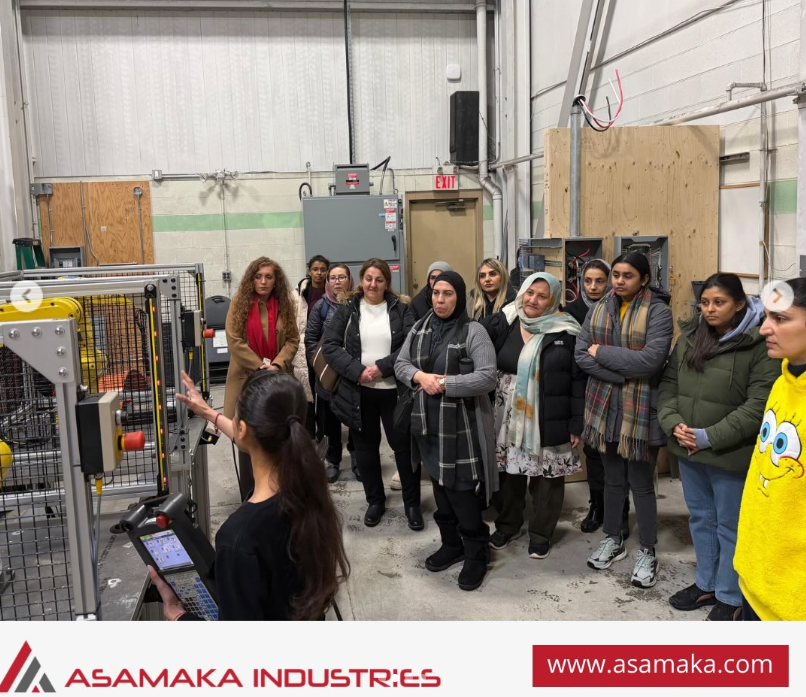
In spite of the deeply embedded difficulties for women in the fields of STEM, over the last decade, progress has been made at a steady clip, bolstered by global initiatives, targeted scholarships, increased representation, and expanding digital access. These efforts will help build an inclusive ecosystem where women get to thrive, innovate, and lead.
Initiatives that better demonstrate impact include expanding scholarship programs for women pursuing master's and other advanced degrees in the sciences. Examples include the Women in STEM Scholarship, which provides a €3,000 grant for the 2024/2025 academic year to help alleviate some of the financial challenges faced by those students pursuing a master's in engineering, technology, and scientific research.
Organizations such as Confindustria and Italian universities have continued to increase the number of positions funded and now offer more than 13 such grants across Europe in the 2025 academic cycle.
Programs for mentorship and leadership also play an important role. The British Council's Women in STEM Scholarship, designed for disadvantaged women in the most underrepresented regions, funds STEM master's degrees in the UK.
More than providing financial support, it introduces the participants into professional networks and leadership training with the aim of setting them up as innovators and role models in their home countries. Mentorship-driven initiatives like these significantly enhance retention and career progression in females entering scientific and technical fields.
Representation within the STEM workforce has also continued to grow modestly but meaningfully. According to global workforce studies, between 2011 and 2021, women's participation in jobs related to science, technology, engineering, and math grew incrementally as more organizations actively tracked and published gender equality metrics. Networks like the Society of Women Engineers continue to track such statistics and push for policies that bring equity into hiring, promotion, and workplace culture.
Digital access has opened up more avenues for girls, particularly in areas where other forms of access have been limited. Online learning platforms, coding boot camps, and even resources for remote laboratories serve to bridge the gulf created by geographic limitations and economic constraints. These tools establish ways in which girls of any background can explore STEM early, accelerating interest and preparedness for future STEM careers.
STRATEGIES FOR ACCELERATION

For women and underrepresented minorities, such as Latinos in the U.S. and Hispanics elsewhere, to transition from lone success stories to sustained equity in STEM requires more than just periodic programs. It needs to be maximally prioritized and acted upon across policy, education, industry, and personal efforts for the inclusion of women. These techniques bolster the STEM pipeline, mitigate inherent long histories of biases and foster environments that encourage women's success as innovators and leaders.
Policy changes are a crucial piece. Institutions need to have clear equity-guided policies on hiring, promotion and work culture. Mandatory bias-awareness training, open hiring procedures and work options that cater to family schedules all contribute to removing the unconscious stumbling blocks that women face in pursuing a career in STEM. Research institutions can also introduce parent-friendly policies that allow women to balance family responsibilities without sacrificing professional growth.
Mentorship and leadership development remain powerful tools for accelerating change. Drawing from the experiences shared by successful women scientists in recent STEM interviews, mentorship works best when it embraces openness, vulnerability, and learning through setbacks. Pairing early-career women with senior professionals gives them guidance, confidence, and access to key network factors strongly linked to retention and career advancement.
Education is another critical driver. Encouraging girls to engage with science and mathematics from childhood helps counter math anxiety and the stereotypes that discourage female participation. Hands-on STEM clubs, digital learning platforms, and role-model representation can inspire girls to pursue science pathways in secondary and tertiary institutions.
The strategies for faster acceleration can be summarized in three actionable levels:
https://www.asamaka.com/nigeria
Institutions
- Implement equity-focused hiring and promotion systems.
- Create supportive environments with mentorship programs and retention policies.
Individuals
- Build strong networks, seek mentors, and embrace resilience.
- Persist through challenges and develop leadership competencies.
Industry
- Promote mixed-gender teams, proven to boost creativity and innovation.
- Support women-led projects, research funding, and tech entrepreneurship.
Together, these strategies provide a roadmap for transforming STEM into a space where gender no longer determines access, success, or leadership.
CONCLUSION
Women in STEM fields have a history of resilience, resourcefulness, and gradual advancement. From the women who broke new ground in the past in terms of achieving the level of advancements being witnessed today, to those currently working in fields involving climate change, biotechnology, artificial intelligence, and engineering, women just continually succeed in proving what can be accomplished.
This history is also an acknowledgement of challenges involving a few women in education and working environments with substantial systemic constraints.
However, genuine progress is being made. Scholarships worldwide, mentorship initiatives, increased access, and a network advocating for equity motivate and offer support for genuine progress.
This is because genuine progress is being exhibited in the investment in the future of women by institutions of learning, the business sector, and society in general, leading to an increased number of women enrolling in fields related to STEM due to continuous investment, which has greatly impacted the landscape.
However, in terms of progress, achieving equity would involve so much more than 35% of STEM graduates and 28–33% of the workforce being represented. This would involve a substantial majority of the STEM workforce worldwide being female. This means a commitment to sustained policies aimed at promoting women, an environment of empowering women, and a culture of celebrating their roles and contributions. Enhancing the roles of women in STEM is a need beyond the realms of gender because it is a need worldwide in terms of innovation and sustainable growth.

Asamaka Industries Ltd
Asamaka Industries Ltd specializes in providing comprehensive control automation solutions across multiple industries including automotive, power generation, and distribution. From electrical design to implementation of advanced technologies like robotics and vision systems, we cater to the unique needs of each sector, ensuring safety, quality, and efficiency in every project.
Discover how Asamaka Industries Ltd can support your automation journey with their complete range of solutions and expertise.
Related Posts

DEVELOP LLC Joins TLMI to Bring End-of-Line Automation Expertise to the Label Industry
DEVELOP LLC Joins TLMI to Bring End-of-Line Automation Expertise to the Label Industry FANUC Authorized…

The Emerging Direction of ISO/IEC TS 22440
This excerpt was originally published as part of a full article on the SRES website. Introduction…

Mainstay Digital Announces Mainstay One 3D Digital Asset Program for Automation OEMs
Plano, TX, September 29, 2026 Mainstay Digital, an industrial product visualization studio specializing in complex…
Leave a Reply